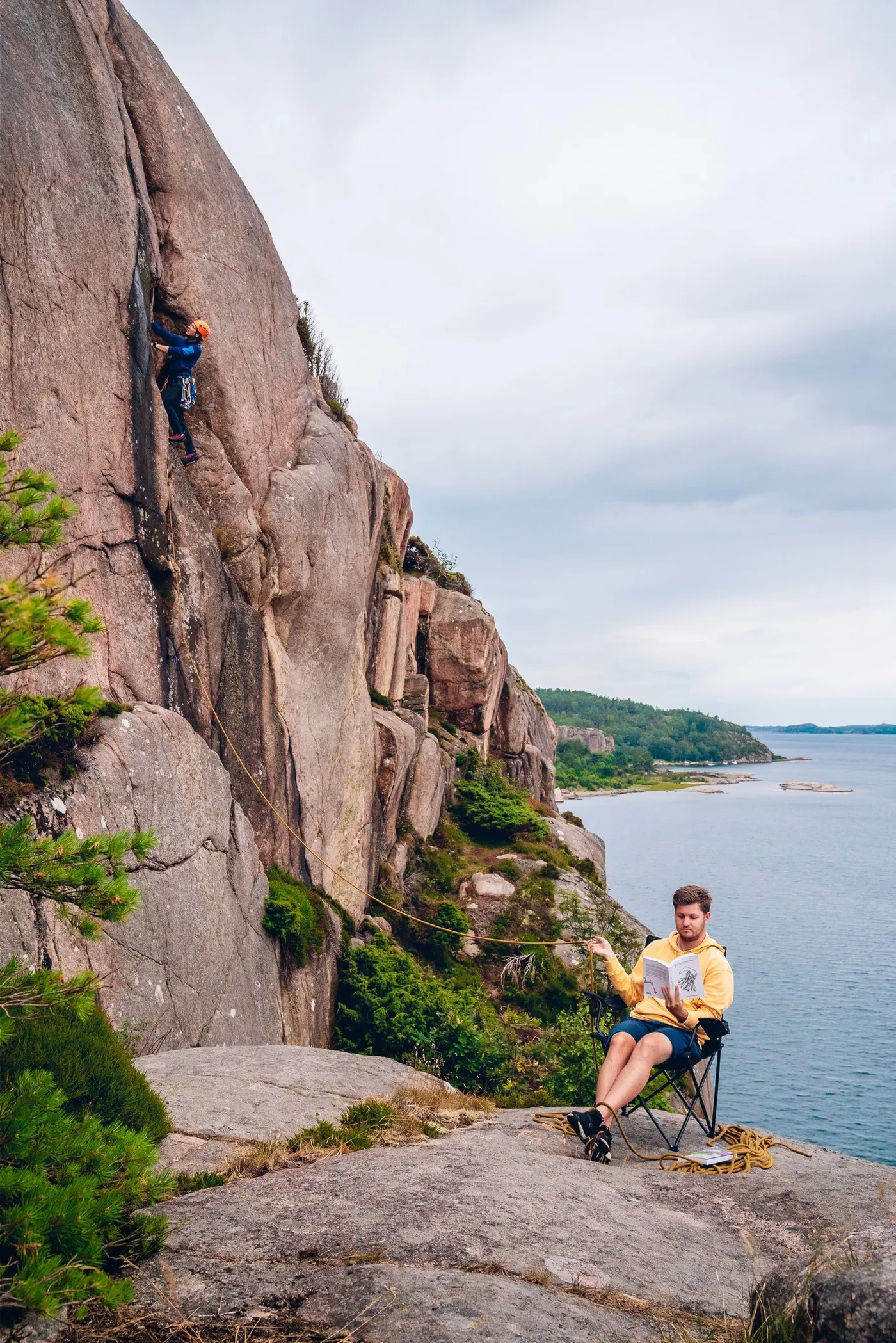
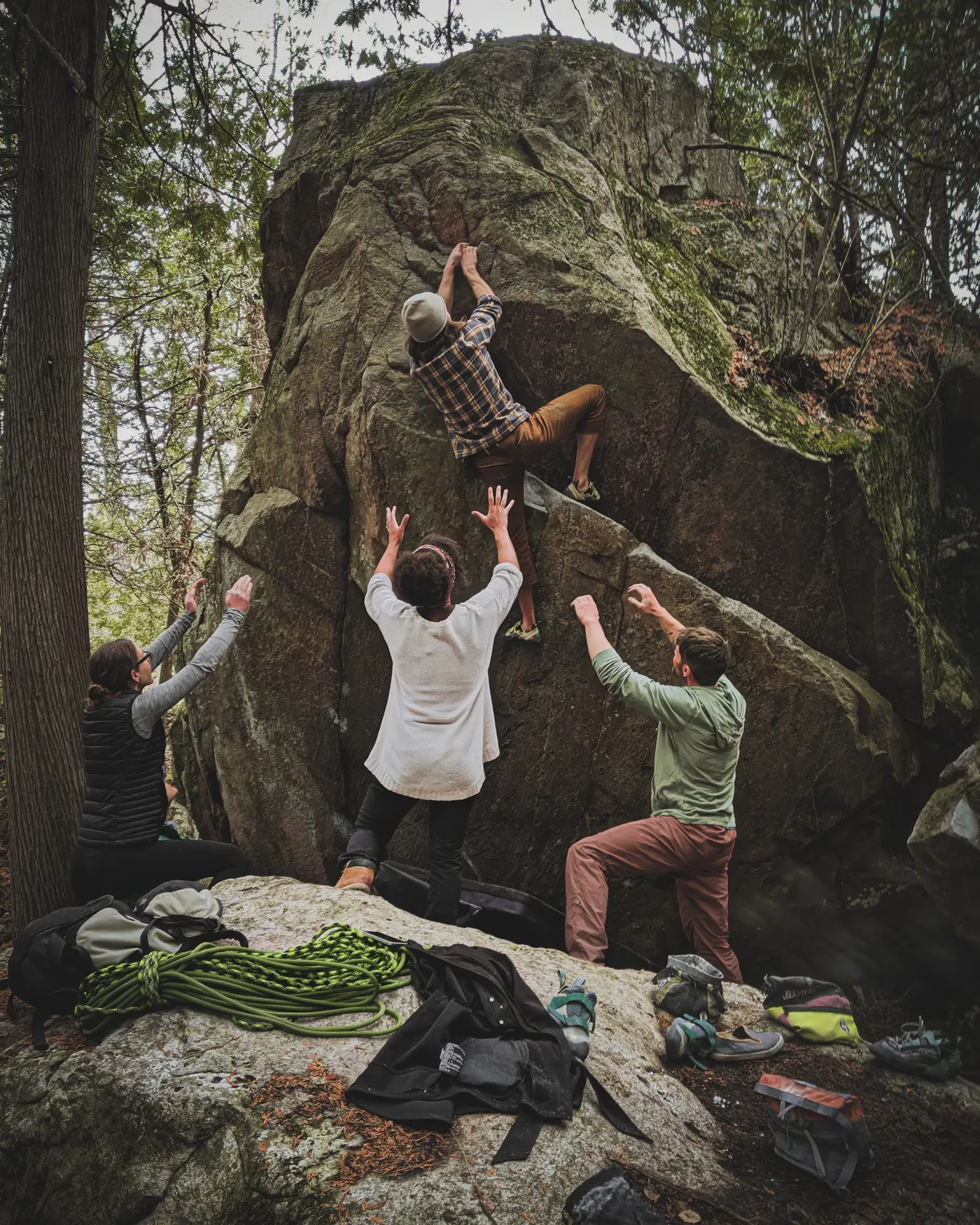
Sport climbing may be an exciting activity, but paying attention to safety is essential. Following the philosophy of “safety first, then move” will often save lives. That is why we believe it is right to set out the most basic safety measures in sport climbing from the very beginning.
Twelve rules for safe climbing
1. Gear check
Inspect and maintain your climbing equipment regularly. Make sure your gear is not damaged or worn out. Choose a belay device that matches your rope diameter (the range given by the manufacturer). Don’t use a rope with cuts, stiff sections or an opened sheath.
- Always check your harness.
- Always check your knots.
- Always wear your climbing helmet.
- Never turn your back on the rock or the wall.
- Always check the rope and your belay/rappel device.
- Always use a rope longer than the route you plan to climb.
- Every time, check that you have clipped the rope correctly before moving up.
2. Correct use of gear
Use and attach your helmet, climbing shoes, ropes and other equipment correctly. Get training in how to use your equipment, and always bring enough of it.
3. Get good training
Get training in climbing techniques. Working with a mountaineering or climbing club, or with an experienced instructor, can make you safer.
4. Partner check
Try to climb as a team of at least two. Stay in constant contact with your partner and help each other. Check each other before every climb: harness buckles and tie-in point; is the figure-eight knot complete and threaded through the right place; is the belay device and carabiner attached correctly and locked; is there a stopper knot at the other end of the rope.
5. Good communication
Agree on procedures in advance so you can communicate well while climbing. Use signals and calls that you and your partner both understand.
6. Watch the weather
Follow the weather closely and only go climbing in suitable conditions. Avoid bad weather such as storms, heavy rain or frost.
7. Safe anchors
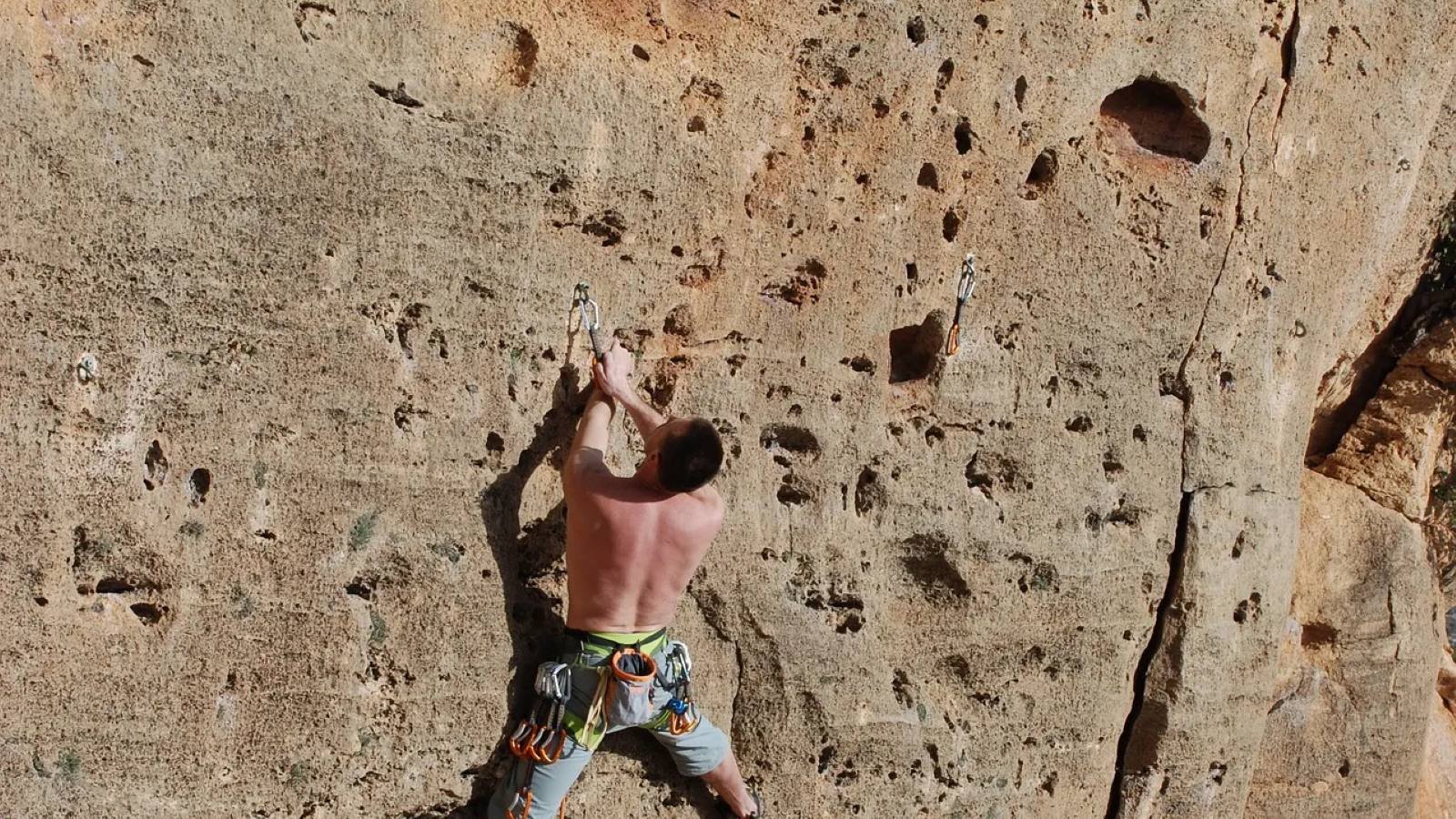
Build safe anchors during the climb and tie the ropes in correctly. Use secure knots between anchors. Fixed protection may not be safe. Check bolts and anchors visually: rust, cracks, spinning or loose bolts, cracked rock around them. Don’t trust a suspicious point. Find out about the route’s maintenance from the local guidebook or local climbers. On a route you are not sure about, back up the protection or leave the route.
8. Set your goals
Set a goal for each climb and make plans to reach it. Study your route in advance. Don’t push yourself beyond your goals and your capacity.
9. Safe descent
Take the necessary precautions to get down safely after the climb. Remember that a large share of accidents happen on the way back down.
10. Emergency plan
Make an emergency plan and carry first-aid supplies with your gear. Decide in advance how you will communicate and call for help in an emergency.
11. Physical preparation
Prepare physically before climbing. Exercise regularly to improve your fitness.
12. Risk assessment
Assess the risks of the route and the conditions. If you think a route is beyond your ability, or that other conditions are not right for it, stay away from it.
A final word
It is important to maximise your safety while climbing. By following the measures above you can be safer on the wall. Don’t hold back from taking every precaution that keeps your life out of danger. Remember, there are dozens more routes and summits to climb.