Triathlon is an endurance sport made up of swimming, cycling and running. The three disciplines are completed back to back without a break, and the athlete’s clock runs non-stop from the start to the finish line. On this page you will find the basic rules of triathlon, its race formats and its distances.
What is triathlon?
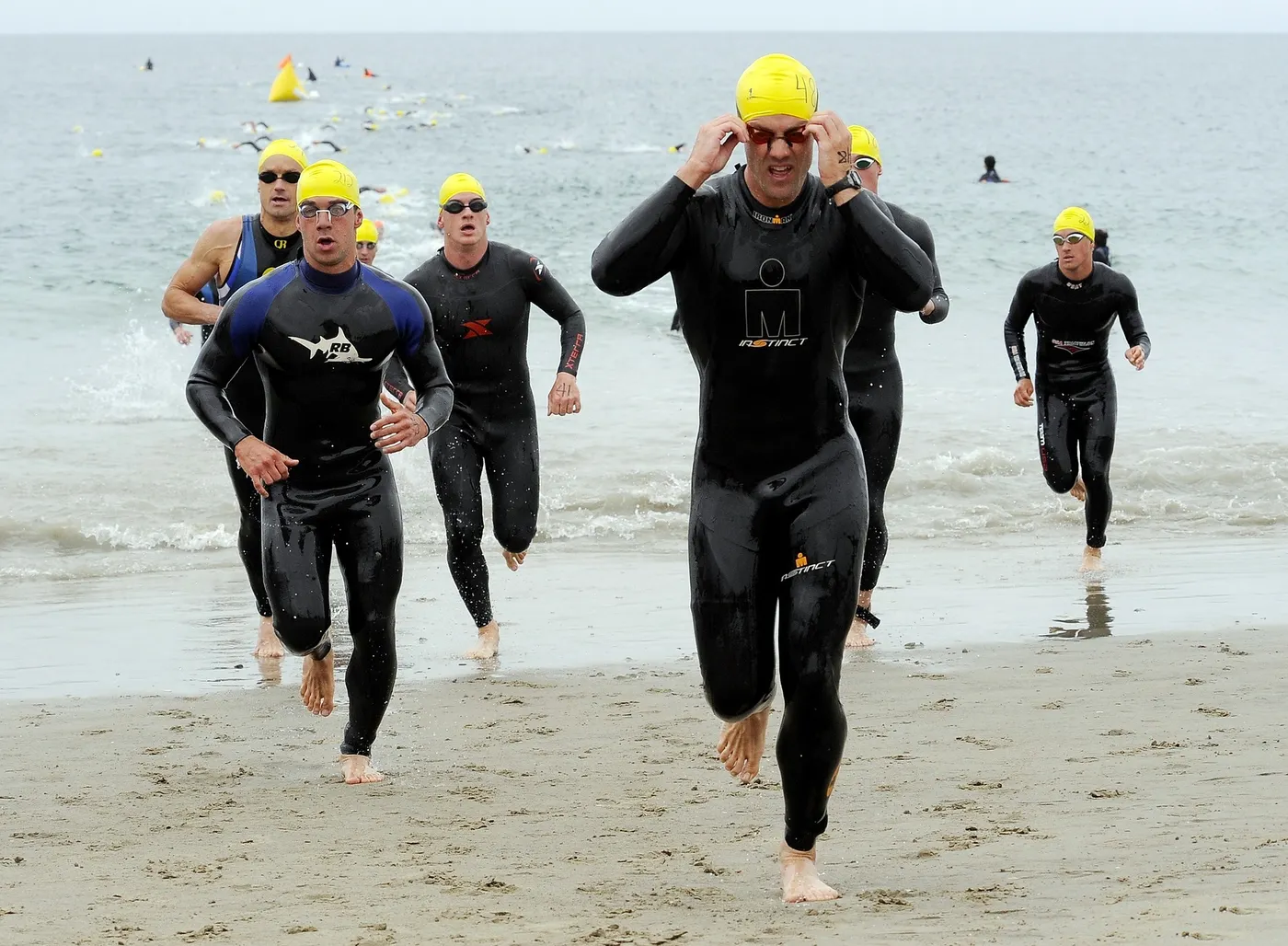
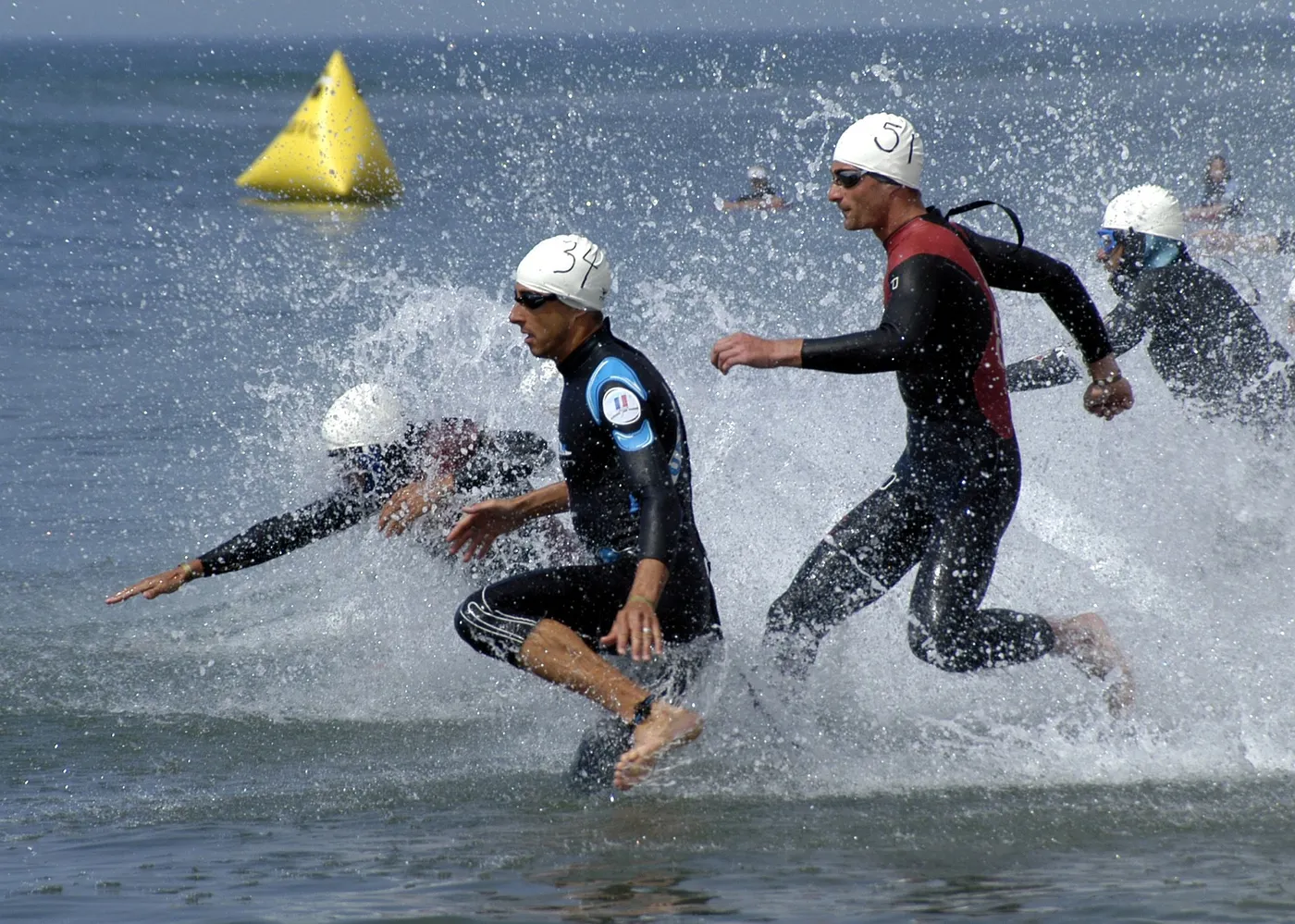
A triathlon race always follows the same order: swim first, then bike, then run. The swim usually takes place in open water, in the sea, a lake, a river or a canal. The bike leg is held on a course closed to traffic, and the run usually goes through a town or along the seafront.
One reason the swim comes first is safety. Athletes are at their freshest while they are in the water, and the final leg, when fatigue peaks, takes place on land.
Triathlon is not a single distance. Short sprint races finish in a little over an hour, while long-distance races can take a whole day. The most common distances:
| Distance | Swim | Bike | Run |
|---|---|---|---|
| Sprint | 750 m | 20 km | 5 km |
| Olympic (standard) | 1.5 km | 40 km | 10 km |
| Middle distance | 1.9 km | 90 km | 21.1 km |
| Long distance | 3.8 km | 180 km | 42.2 km |
Because it adds up to 70.3 miles, the middle distance is also known as “70.3”, a brand of the Ironman series. The long distance is often called an Ironman after the best-known race series, but not every race over this distance is an Ironman race.
Transition areas and the “fourth discipline”
Alongside the three disciplines, transition is often called the fourth discipline. The transition area is a zone set up by the organisers, open only to athletes and officials, where bikes and other gear are placed before the race and where athletes get ready to move from one discipline to the next. There are two transitions:

- T1: swim to bike. The athlete leaves the water, takes off the wetsuit if needed, puts on the helmet and leaves the transition area with the bike.
- T2: bike to run. The bike is racked, the helmet comes off and the running shoes go on.
Time spent in transition counts towards the total time. That is why athletes practise transitions separately and call them the “fourth discipline”. The transition area has its own rules too: for example, the helmet must be on and fastened before you touch the bike, and you may only mount after the marked line.
Who is triathlon for?
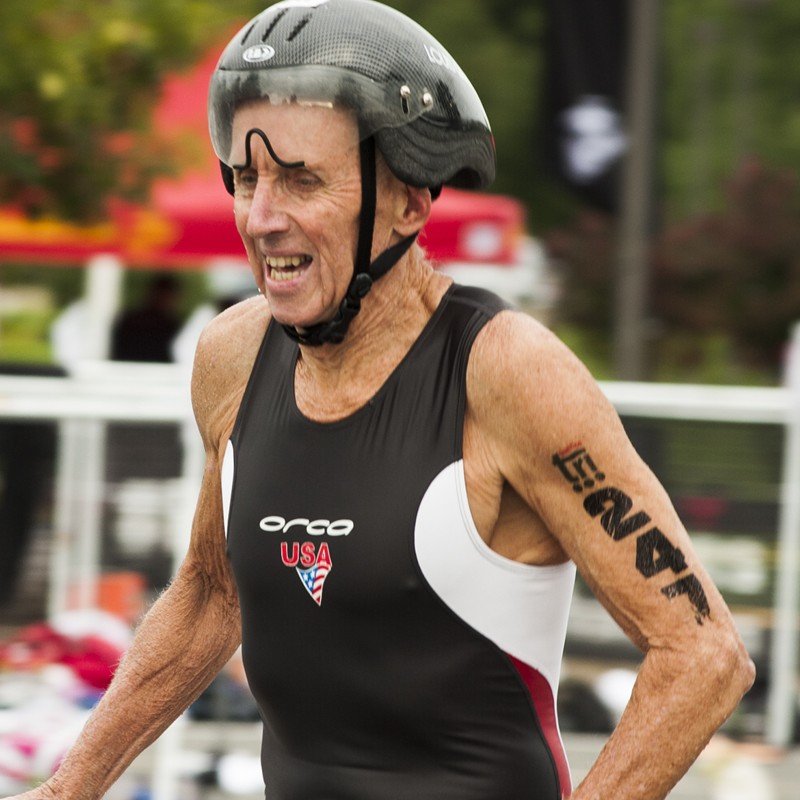
Triathlon suits amateurs preparing for their first race just as much as elite athletes. Most races include age-group categories alongside the elite field, and at the end everyone is compared with athletes of their own age.


Combining three different sports adds variety to training but also makes it harder. The load is spread across different muscle groups, which can lower the risk of injury compared with a single sport. Swimmers who are new to running, runners and cyclists usually start by working on their weakest discipline.
The best way to begin is to aim for a sprint race first and focus on enjoying it. Things to keep in mind:
- Be able to swim 750 m comfortably in open water. Swimming in a pool is not the same as swimming in choppy, crowded open water.
- Have a medical check-up before the race. Some races and federation licences may require a medical certificate.
- Join a club or a training group. Skills such as open-water swimming and riding in a group are learned more safely with experienced athletes.
An Olympic and Paralympic sport
Triathlon joined the Olympic programme at the Sydney 2000 Games with individual races for women and men. The Olympics use the Olympic distance (1.5 km / 40 km / 10 km). In elite races, riding in another athlete’s slipstream (drafting) is allowed on the bike, so the bike leg is raced in groups.
At Tokyo 2020 the mixed relay was added. Each team has two women and two men, and each member completes a short triathlon before handing over to a teammate.
Para triathlon joined the Paralympic Games at Rio 2016. Athletes race in classes based on impairment type and complete the sprint distance (750 m / 20 km / 5 km).
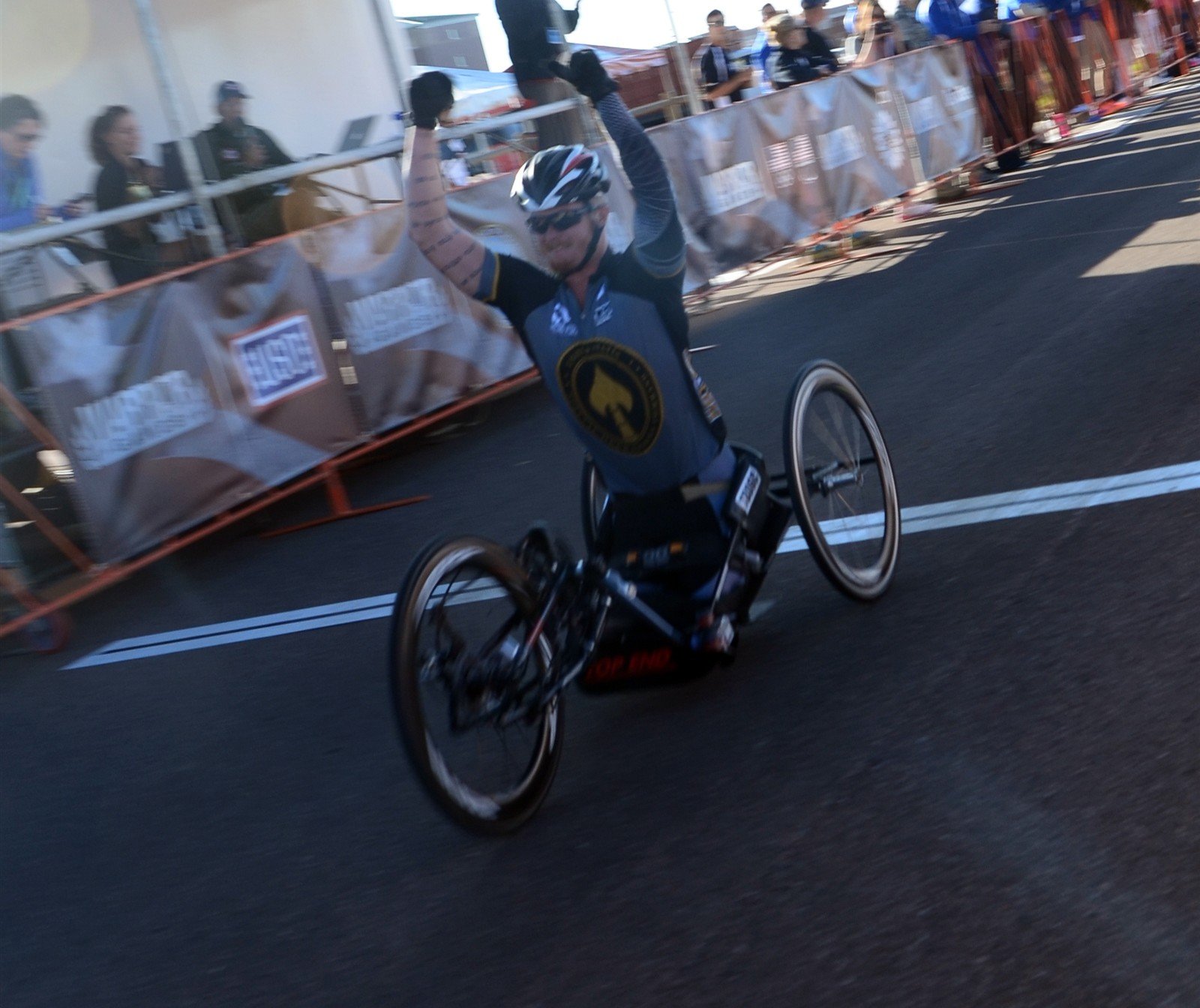
The sport’s international federation is World Triathlon (formerly the International Triathlon Union, ITU). In Türkiye, triathlon is governed by the Turkish Triathlon Federation.
Related multisports
World Triathlon also governs sports that combine the disciplines in other ways. They take the place of triathlon in seasons or places where swimming is not possible.
| Sport | Order | In short |
|---|---|---|
| Duathlon | Run – bike – run | No swim; common in the cold season |
| Aquathlon | Swim – run, or run – swim – run | No bike; one of the easiest ways into triathlon |
| Aquabike | Swim – bike | No run; a choice for those with knee or joint problems |
| Cross triathlon | Swim – mountain bike – trail run | Bike and run on natural terrain |
| Winter triathlon | Run – mountain bike – cross-country ski | The whole course is on snow |
Sources
- Olympic triathlon – International Olympic Committee
- Para triathlon – International Paralympic Committee
- Rules and multisports – World Triathlon
- Triathlon in Türkiye – Turkish Triathlon Federation
- Photos – Wikimedia Commons