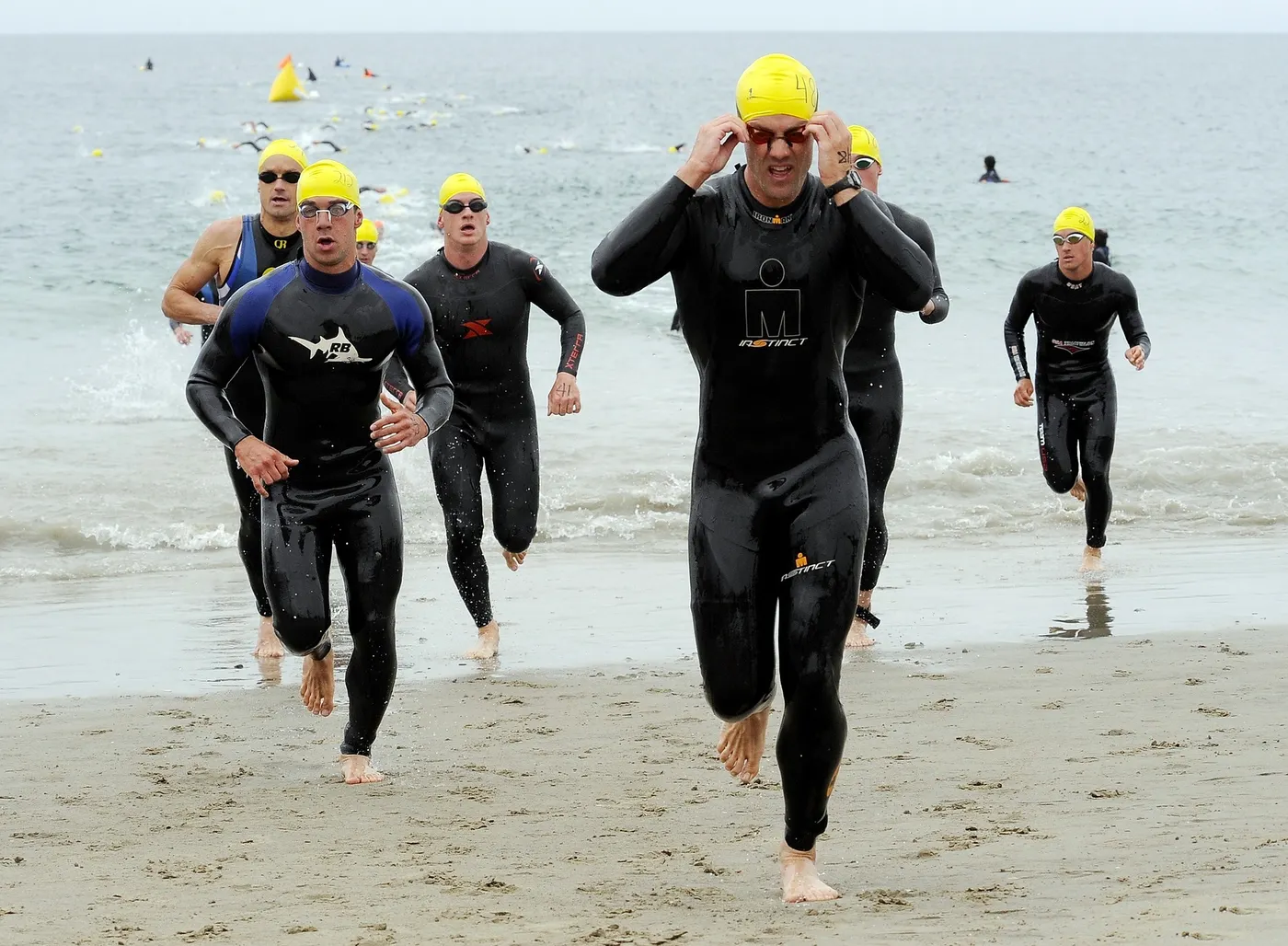
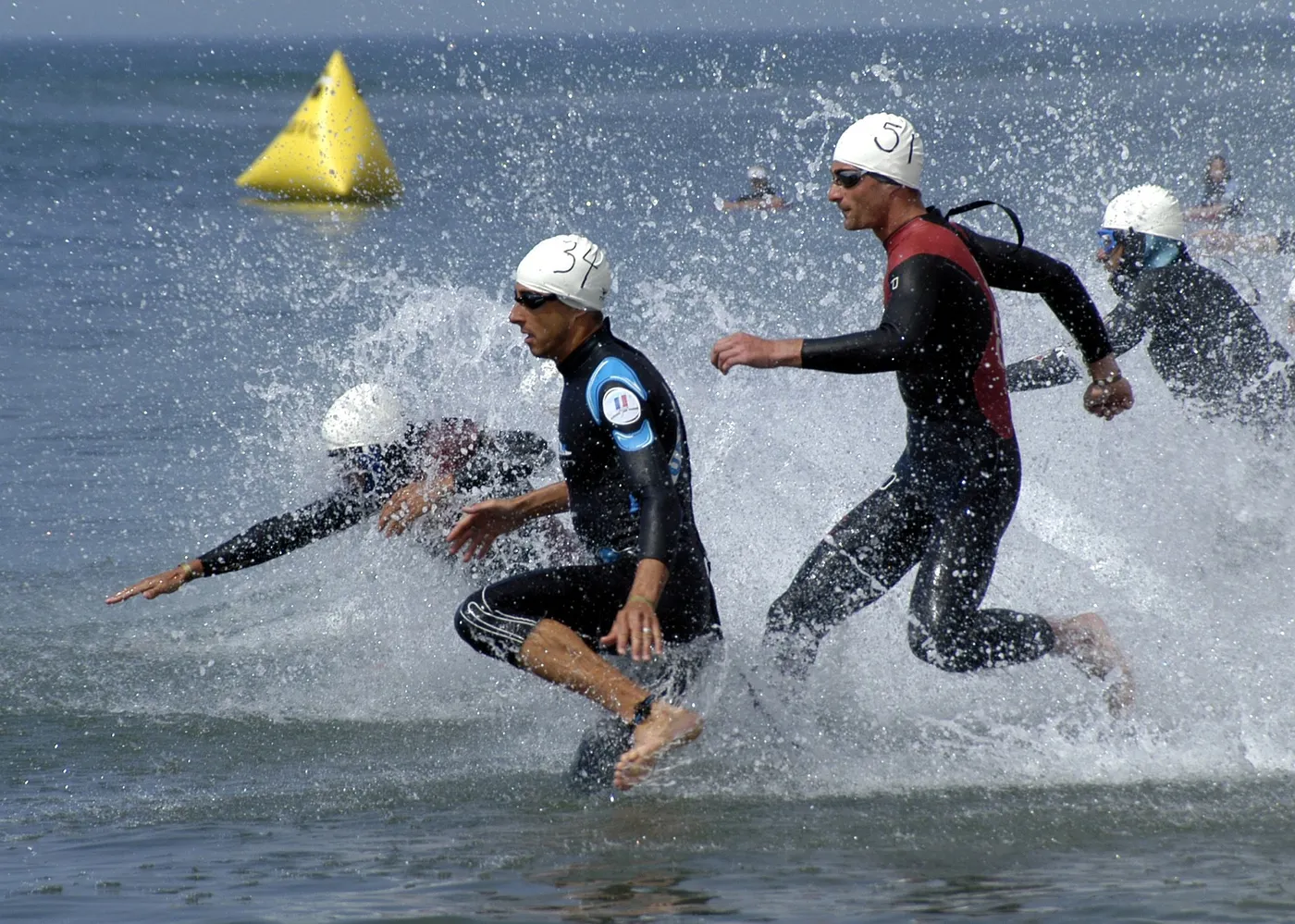
There is no single race distance in triathlon. Formats range from super sprint races that take less than an hour to long-distance races that take a whole day. On this page you will find the official distances in the World Triathlon competition rules, team races, race categories and the distances of triathlon’s related multisports.
Distances at a glance
World Triathlon defines triathlon distances in five groups. For the short distances the values are fixed; for super sprint, middle and long distance the rules give a range, and organisers set the course within it.
| Distance | Swim | Bike | Run | Minimum age |
|---|---|---|---|---|
| Super sprint | 250–500 m | 6.5–13 km | 1.7–3.5 km | 15 |
| Sprint | 750 m | 20 km | 5 km | 16 |
| Standard (Olympic) | 1,500 m | 40 km | 10 km | 18 |
| Middle distance | 1,900–2,999 m | 80–90 km | 20–21.9 km | 18 |
| Long distance (full distance) | 3,000–4,000 m | 91–200 km | 22–42.2 km | 18 |
Super sprint and sprint
Super sprint is the shortest individual format in triathlon. In elite racing it can also be held over several rounds as an elimination; it is fast and exciting to watch. Young athletes’ first races are also usually at this distance, and athletes can take part from the age of 15.
Sprint is a 750 m swim, a 20 km bike and a 5 km run. It adds up to 25.75 km, exactly half the standard distance. It is the best starting distance for amateur athletes, and para triathlon races are also held over the sprint distance.
Olympic (standard) distance
The standard distance is a 1.5 km swim, a 40 km bike and a 10 km run, adding up to 51.5 km. Because this distance has been raced at the Olympic Games since Sydney 2000, it is commonly called the “Olympic distance”; in the World Triathlon rules it appears as the “standard distance”.
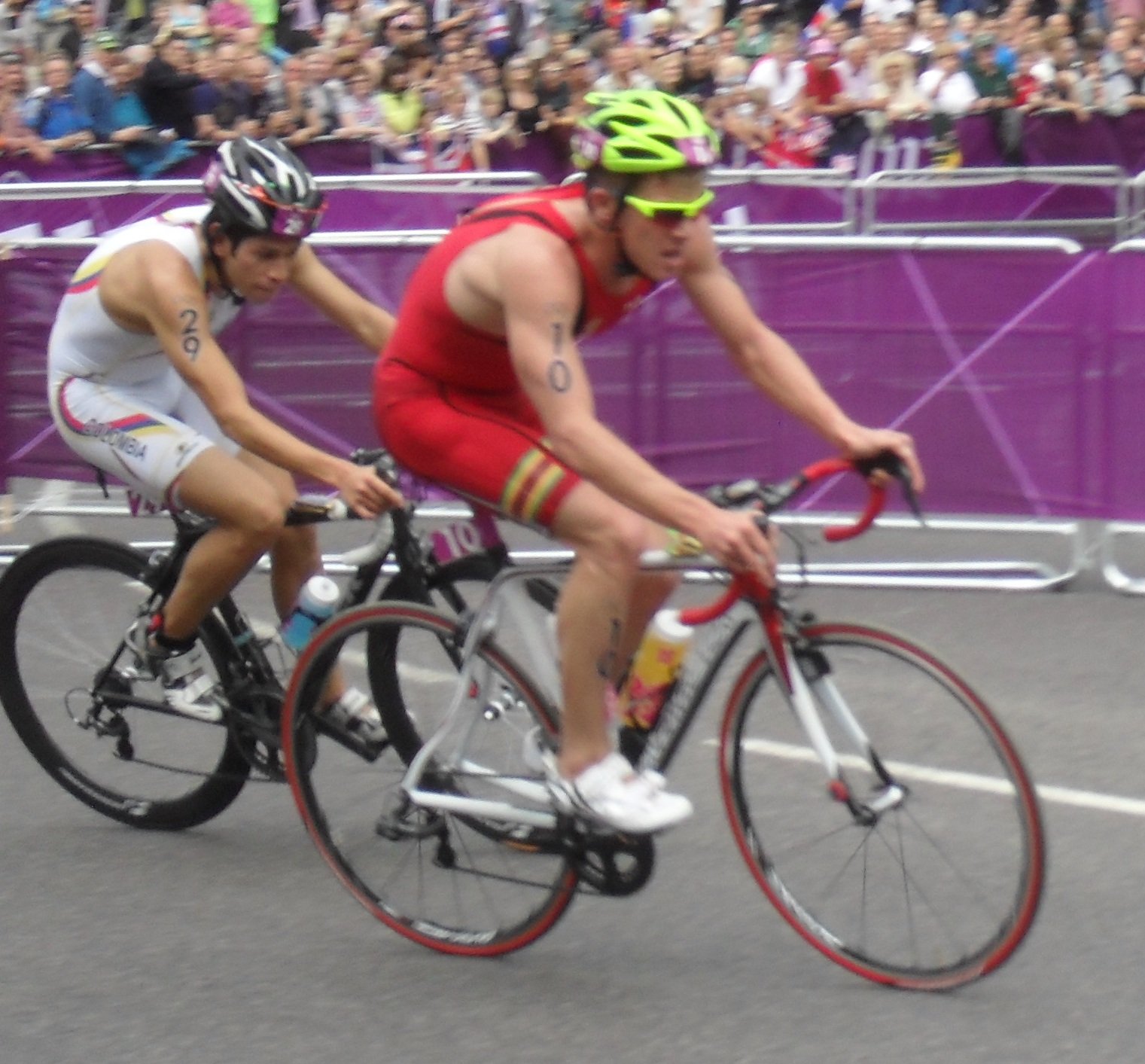
You must be at least 18 to race this distance. In elite races, drafting (riding in another athlete’s slipstream) is allowed on the bike. Age-group races are mostly non-drafting, although there can be draft-legal age-group races at sprint and shorter distances. The rule that applies is stated in the race announcement.
Middle and long distance
In middle-distance races the swim is 1.9–3 km, the bike 80–90 km and the run 20–21.9 km. The most common version is 1.9 km / 90 km / 21.1 km. Because it adds up to 70.3 miles, this distance is also known as “70.3”, a brand of the Ironman series.
For long-distance races the rules allow a wider range: a 3–4 km swim, a 91–200 km bike and a 22–42.2 km run. The best-known example is races with a 3.8 km swim, 180 km bike and a full marathon (42.2 km) run. This distance is often called an Ironman after the best-known race series, but not every race over this distance is an Ironman race. World Triathlon’s Long Distance World Championships are usually held over about 3 km / 120 km / 30 km.
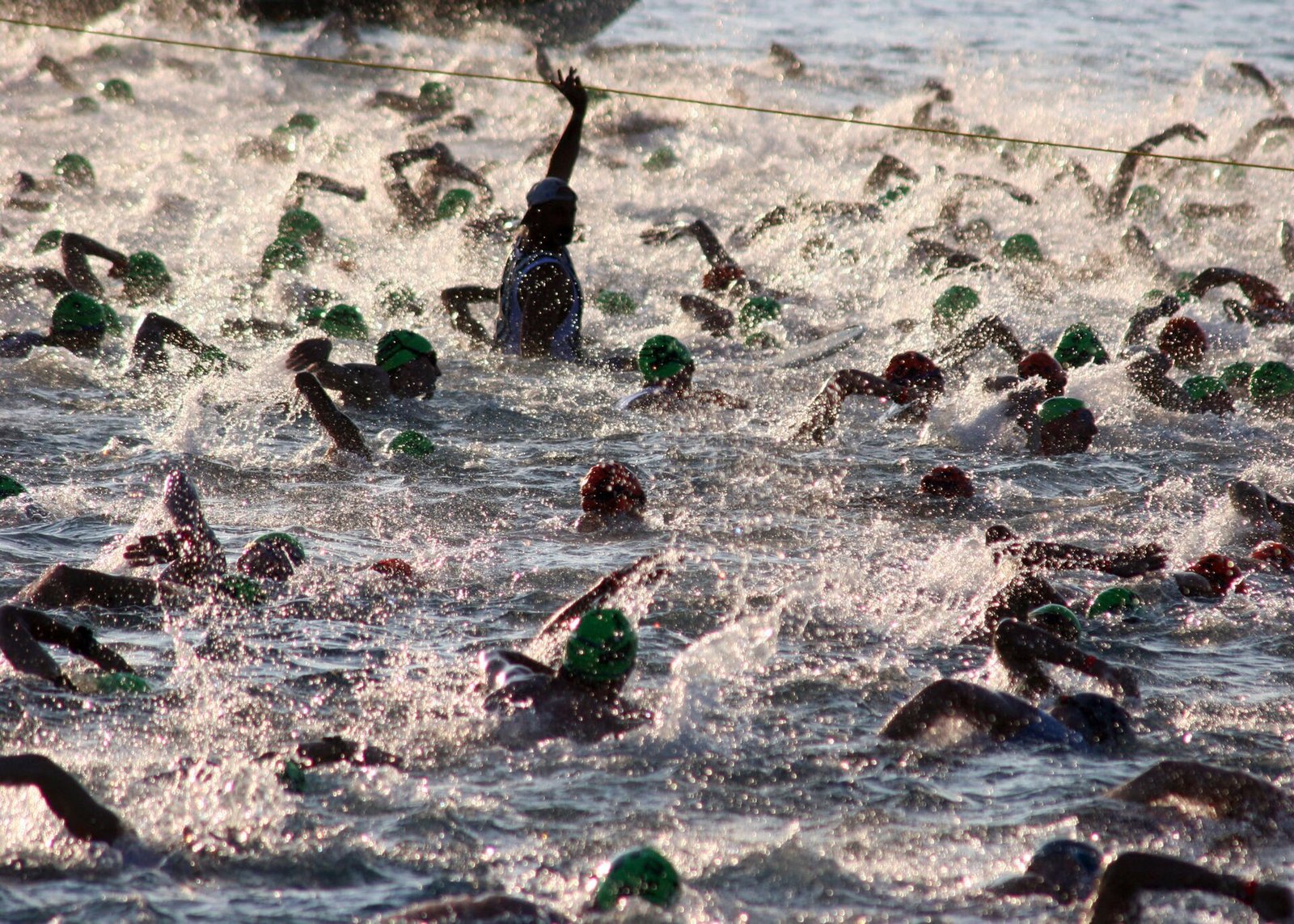
At middle and long distance, drafting is banned in every category. In these races, nutrition and pacing decide the result as much as fitness does.
Mixed relay
In the mixed relay a team is made up of two women and two men, racing in the order woman, man, woman, man. Each athlete completes a whole short triathlon and hands over to the next teammate. The clock starts with the first athlete’s start and doesn’t stop until the fourth athlete finishes.
Each athlete covers a 250–300 m swim, a 5–8 km bike and a 1.5–2 km run, so the race is short, fast and full of changes in the order. The mixed relay joined the Olympic programme at Tokyo 2020.
The rules also define other team formats:
- 2x2 mixed relay: one woman and one man each race twice, in turn.
- 3x same-gender relay: three athletes of the same gender each complete a triathlon.
- Corporate team: of three people, one swims, one rides and one runs.
Age groups and elite categories
There are two separate worlds in triathlon racing: the elite categories where professional athletes race, and the age groups that are open to everyone. An athlete’s age is their age on 31 December of the race year.
| Category | Age |
|---|---|
| Youth | 15–17 |
| Junior | 16–19 |
| U23 (under 23) | 18–23 |
| Elite | 17 or 18 and over, depending on distance |
Age groups are five-year bands: 20–24, 25–29, 30–34 and so on. The youngest group depends on the distance: 15–19 in super sprint, 16–19 in sprint, and 18–19 at standard and longer distances. Each athlete is ranked against the rivals in their own age group.
An athlete who registers for the elite programme of a top-level race in a given year, such as a World Championship, the World Championship Series, a World Cup or T100, cannot race as an age-grouper in the same sport that year.
Duathlon, aquathlon, cross and winter triathlon
The related multisports governed by World Triathlon have their own official distances too. The table below gives the sprint and standard distances of each sport in race order.
| Sport and distance | Leg 1 | Leg 2 | Leg 3 |
|---|---|---|---|
| Duathlon — sprint | Run 5 km | Bike 20 km | Run 2.5 km |
| Duathlon — standard | Run 10 km | Bike 40 km | Run 5 km |
| Aquathlon — sprint | Run 1.25 km | Swim 500 m | Run 1.25 km |
| Aquathlon — standard | Run 2.5 km | Swim 1,000 m | Run 2.5 km |
| Cross triathlon — sprint | Swim 500 m | Mountain bike 10–12 km | Trail run 3–4 km |
| Cross triathlon — standard | Swim 1,000–1,500 m | Mountain bike 20–30 km | Trail run 6–10 km |
| Winter triathlon — age-group sprint | Run 3–4 km | Mountain bike 5–6 km | Cross-country ski 5–6 km |
| Winter triathlon — age-group standard | Run 4 km | Mountain bike 8 km | Cross-country ski 8 km |
Duathlon also has middle (10 / 60 / 10 km) and long distances. The rules also include a short 5 / 30 / 5 km version of the standard duathlon.
In aquathlon, if the water is cold the first run is dropped; the race starts with the swim and ends with a single run (for example a 500 m swim and a 2.5 km run).
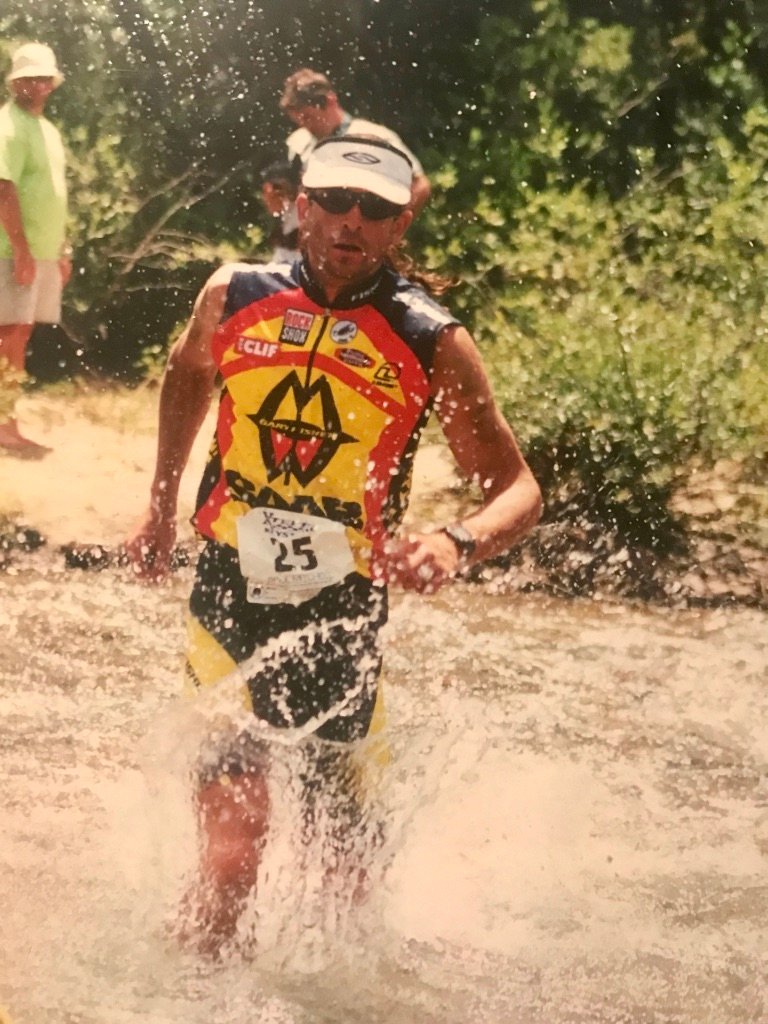
In cross triathlon, after the swim the bike and run legs take place on natural courses, dirt roads and trails; a mountain bike is used for the bike leg.
In elite winter triathlon races, athletes repeat the run, mountain bike and ski legs twice; each leg is about a 2 km run, a 4 km bike and a 4 km ski. Because snow conditions vary, a 10% deviation in distances is accepted.
Aquabike is made up of a swim and a bike, and is held only for age groups. Its standard distance is a 1,500 m swim and a 40 km bike.
Sources
- Distances, categories, drafting and team rules – World Triathlon Competition Rules 2026
- Long distance championships – World Triathlon, Long Distance Triathlon
- Related multisports – Duathlon, Aquathlon, Cross Triathlon, Winter Triathlon (World Triathlon)
- Olympic triathlon – International Olympic Committee
- Race videos – World Triathlon and Olympics YouTube channels
- Photos – Wikimedia Commons (CC0 and public domain)