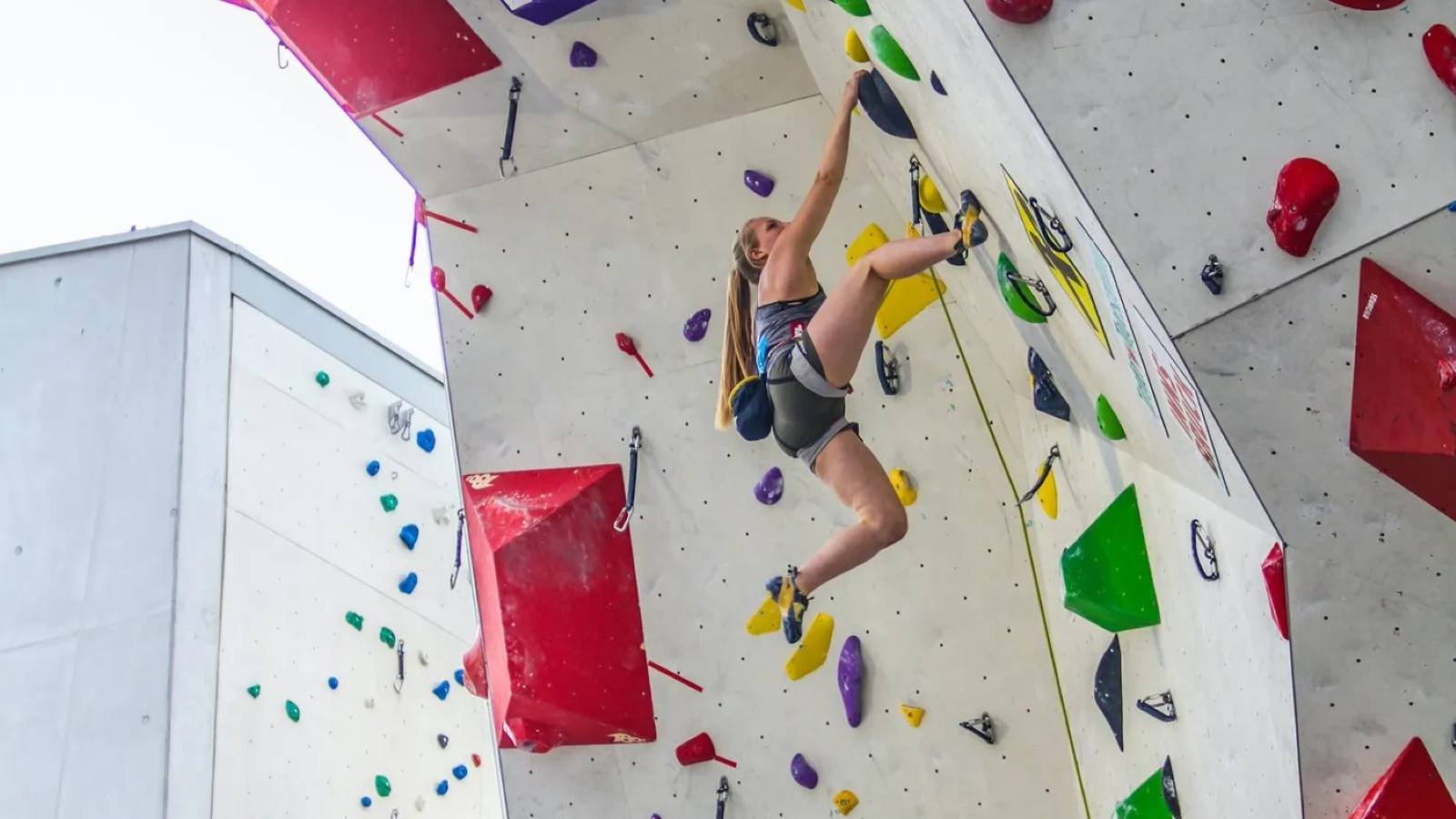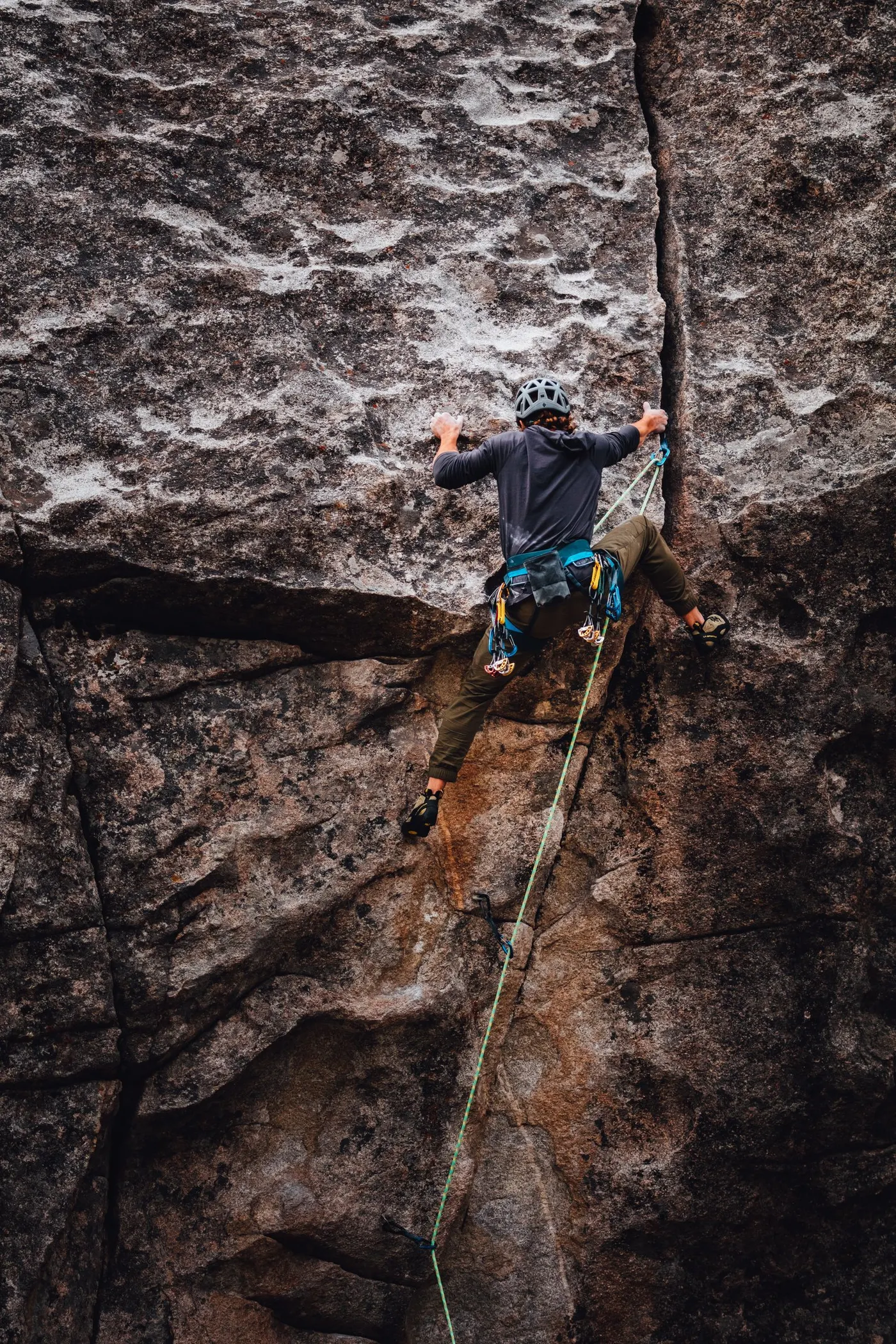
From mountaineering to sport climbing
Sport climbing began with rock climbing within the mountaineering community and grew over time into an Olympic sport. So the right place to start researching the history of climbing is mountaineering and rock climbing.
The main reason the development of sport climbing cannot be studied on its own is that the first climbers were involved in all three: mountaineering, rock climbing and, from its emergence, sport climbing. Until the IFSC was founded, the organisations in this field were also united under the same roof. (In Türkiye these sports still operate under one roof, the Turkish Mountaineering Federation, TDF.)


This separation became clear with the founding of the IFSC and ended with sport climbing breaking away from the other two. Although it emerged as a branch of rock climbing, with the founding of the International Federation of Sport Climbing (IFSC) in 2007 sport climbing clearly stopped being a type of rock climbing, and over time it became an Olympic sport in the combined format. Today it is mostly called competition climbing. Until the IFSC was founded, all three sports developed along the same axis and fed each other both technically and philosophically.
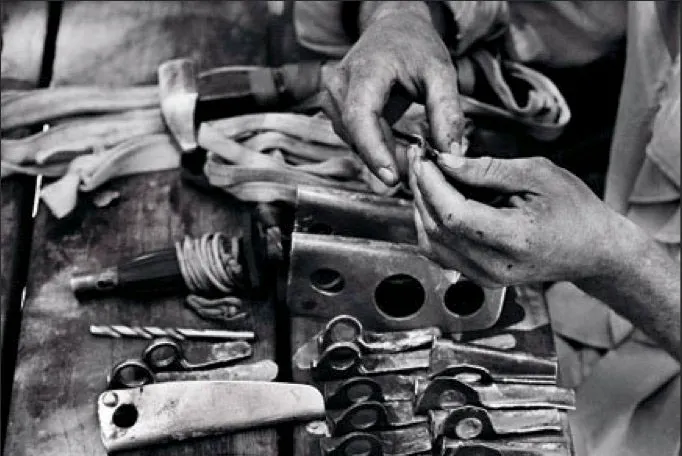
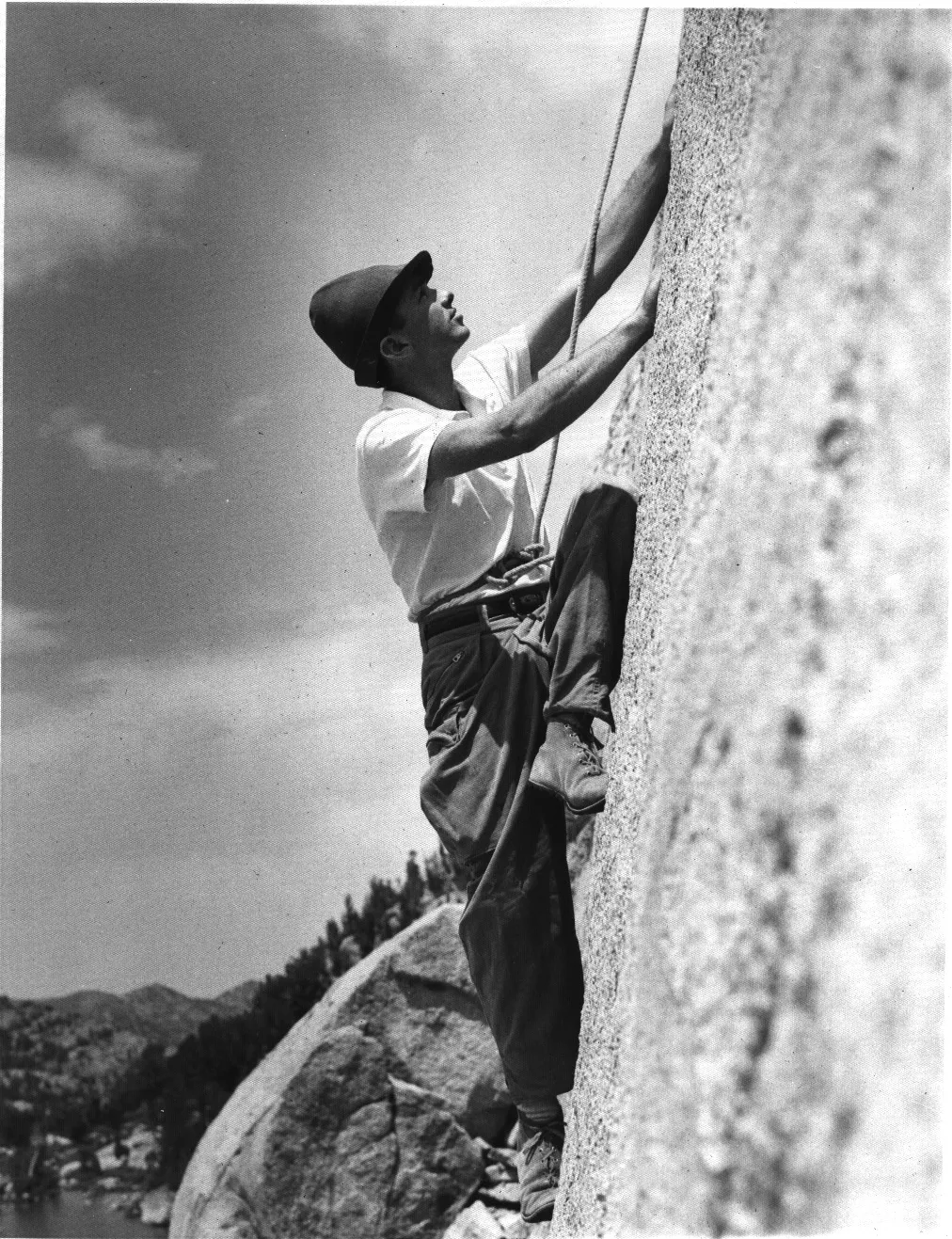
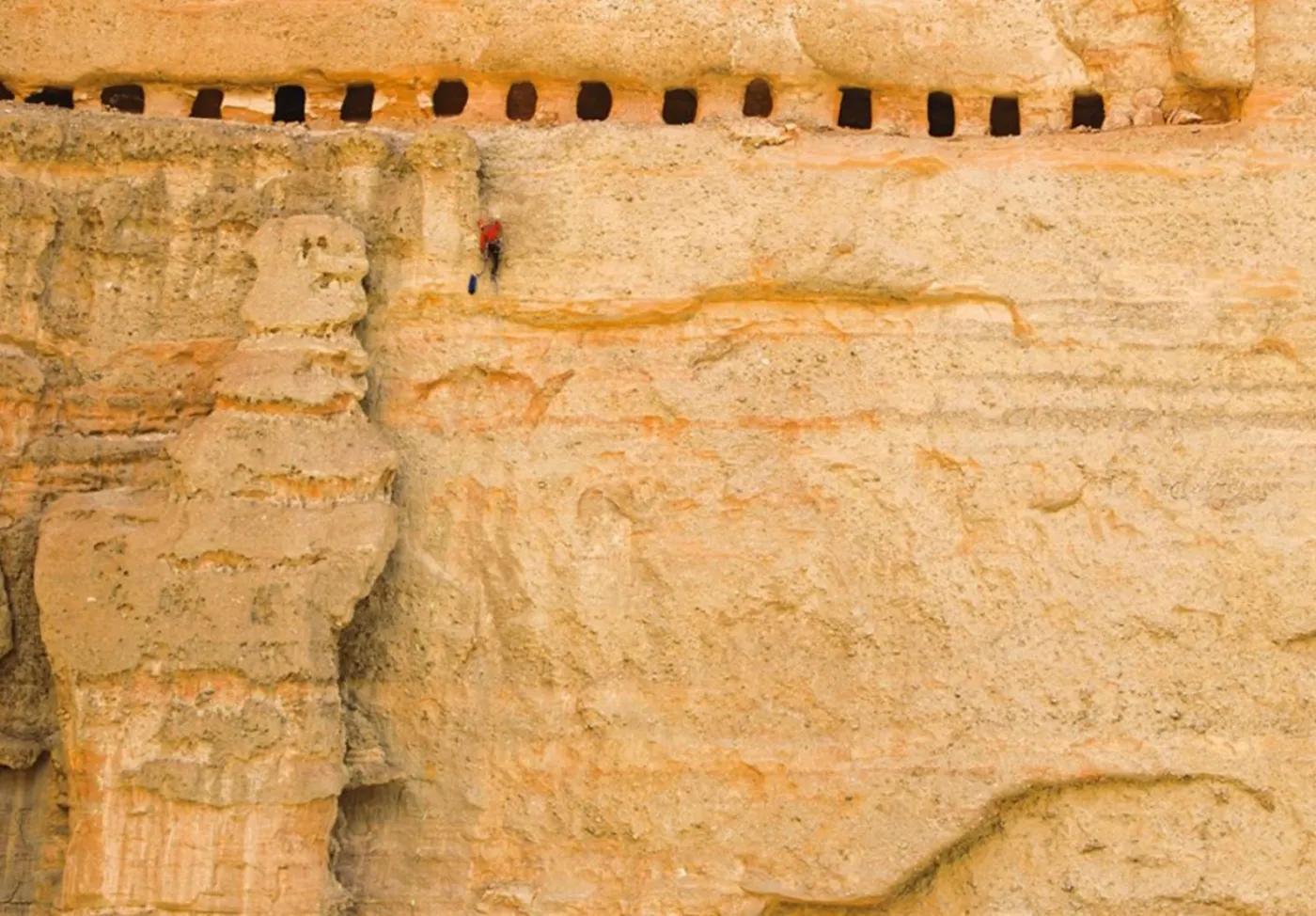
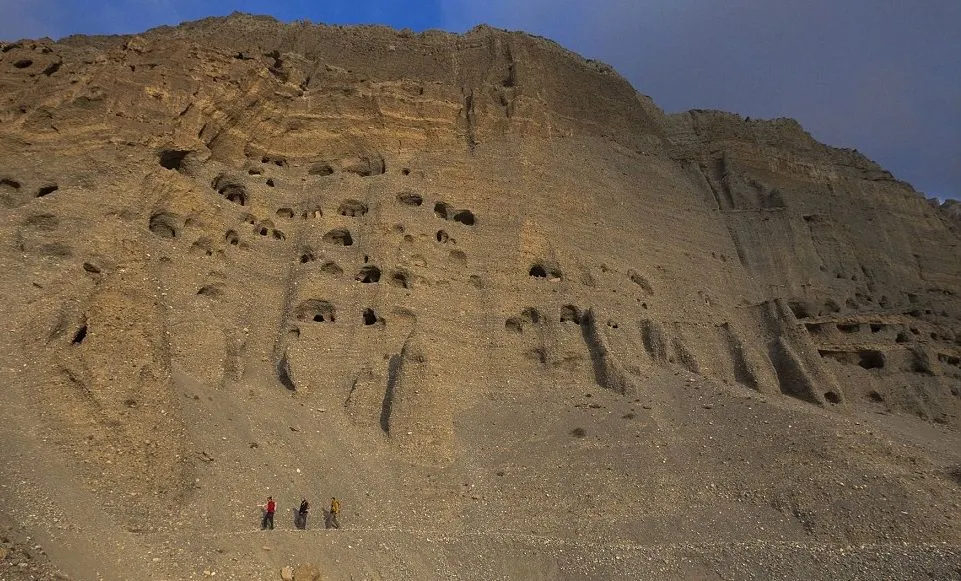
In the Mustang region of Nepal there are cave tombs carved into steep cliffs that cannot be reached without climbing. Researchers see them as a sign that people climbed steep rock in very ancient times too.
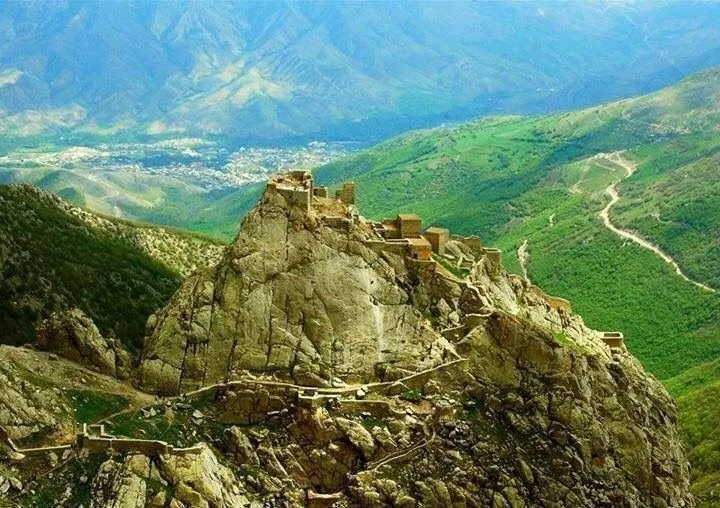
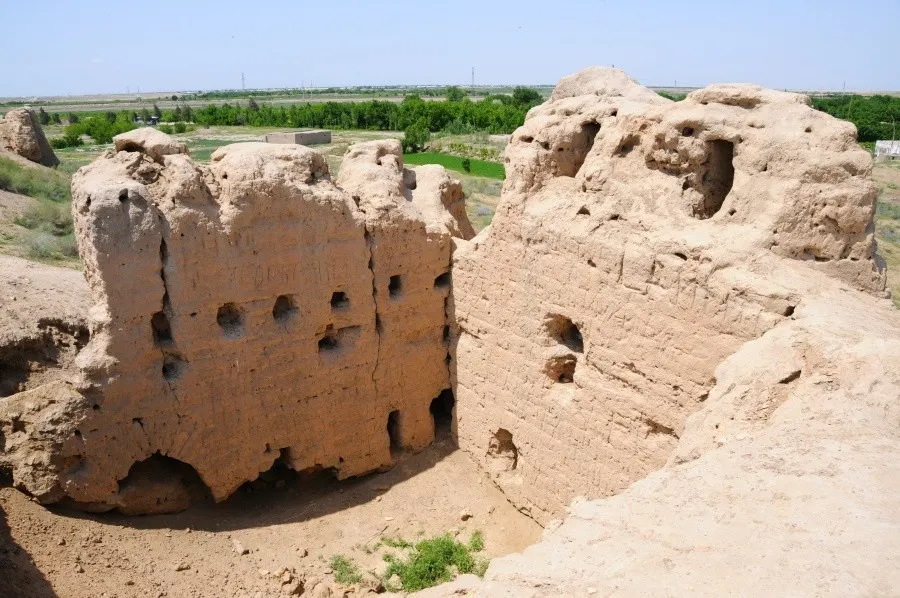
According to the ancient historian Arrian, while besieging the fortress on the Sogdian Rock in 327 BC, Alexander the Great promised a reward to the first twelve soldiers to climb the rock. About 300 volunteers climbed at night, and about 30 fell to their deaths. It was a military operation, not a competition, but it counts as one of the earliest known records of climbing for a prize.
The four birthplaces of modern climbing
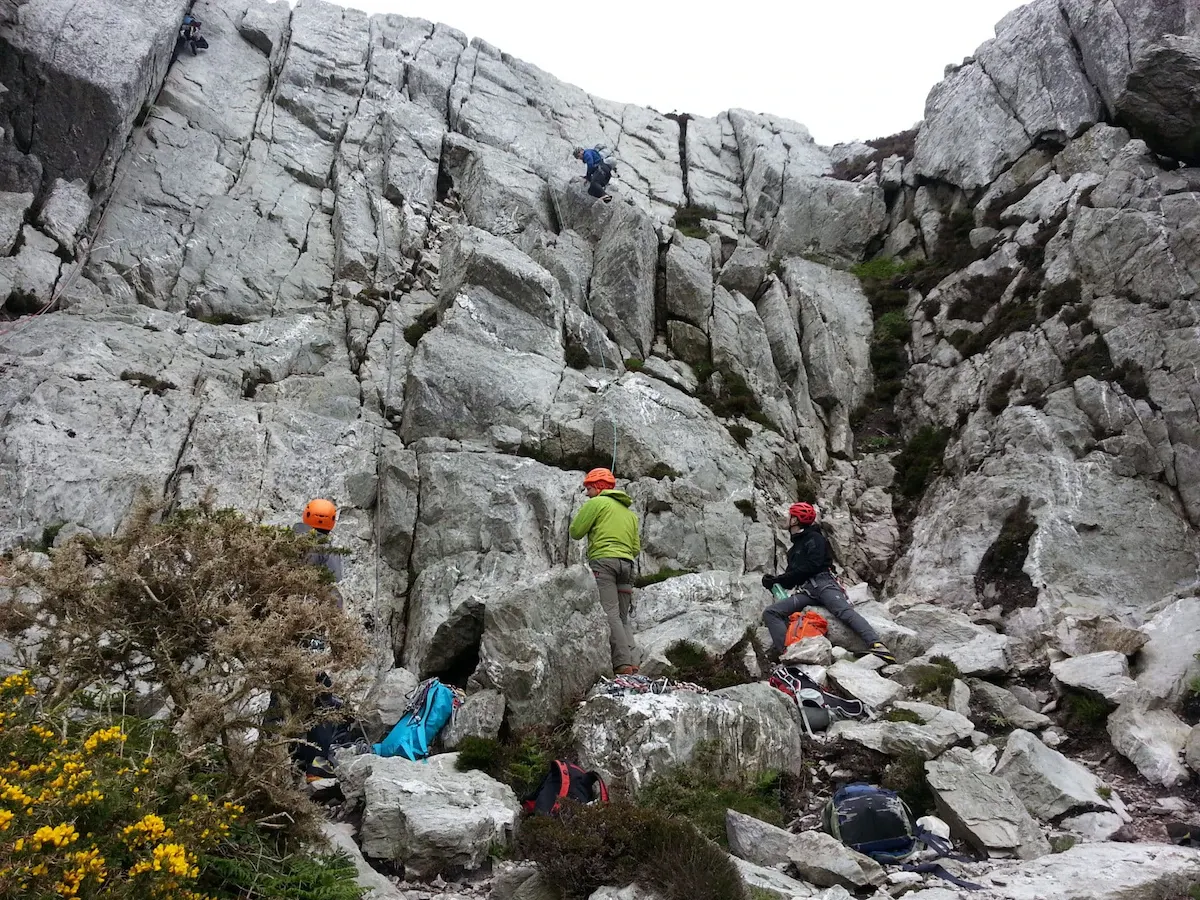
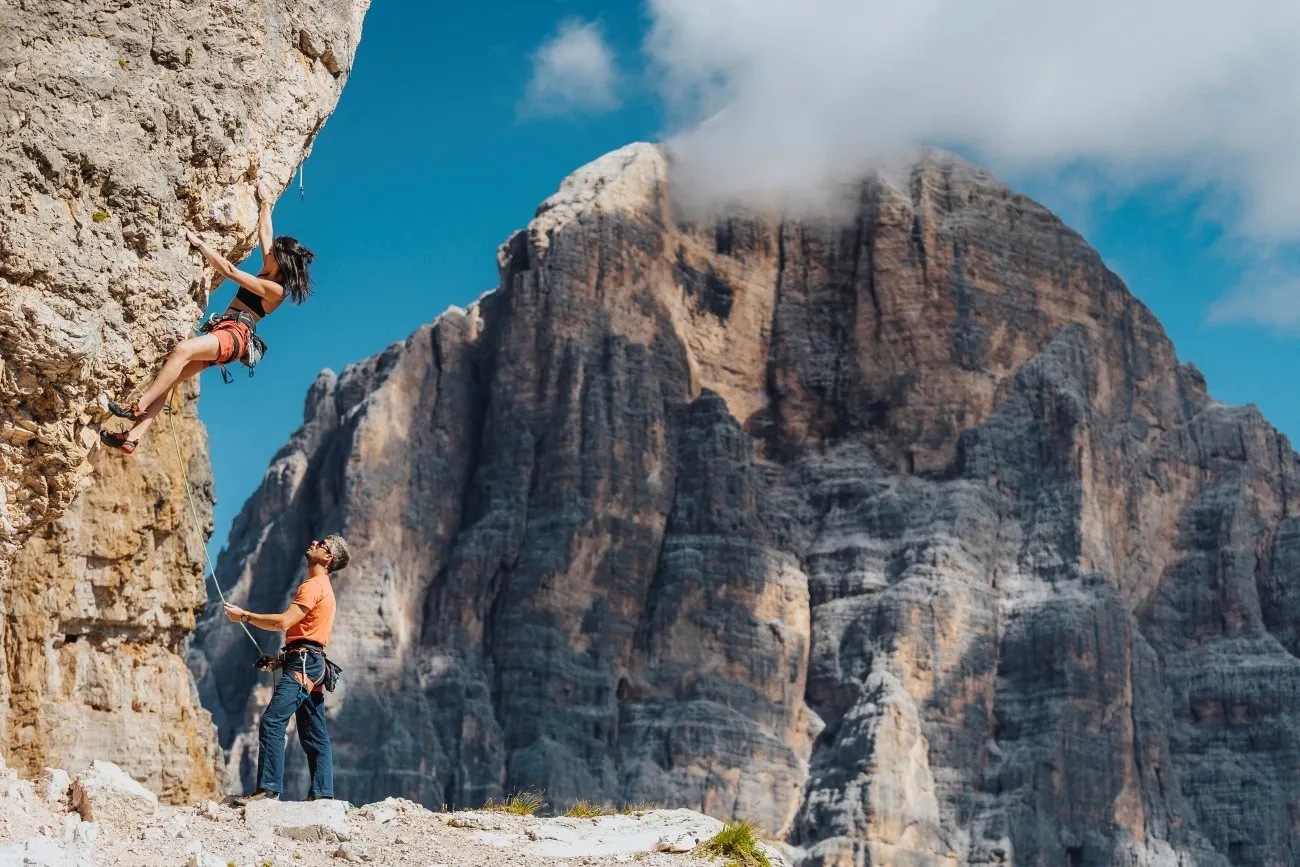
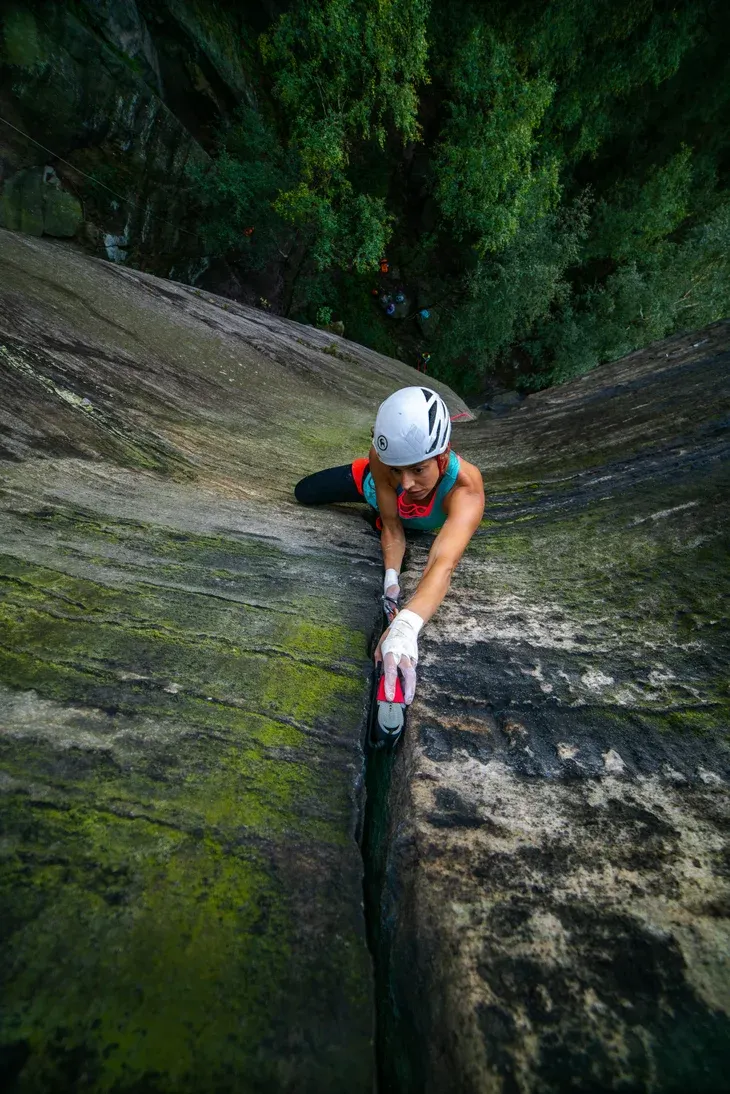
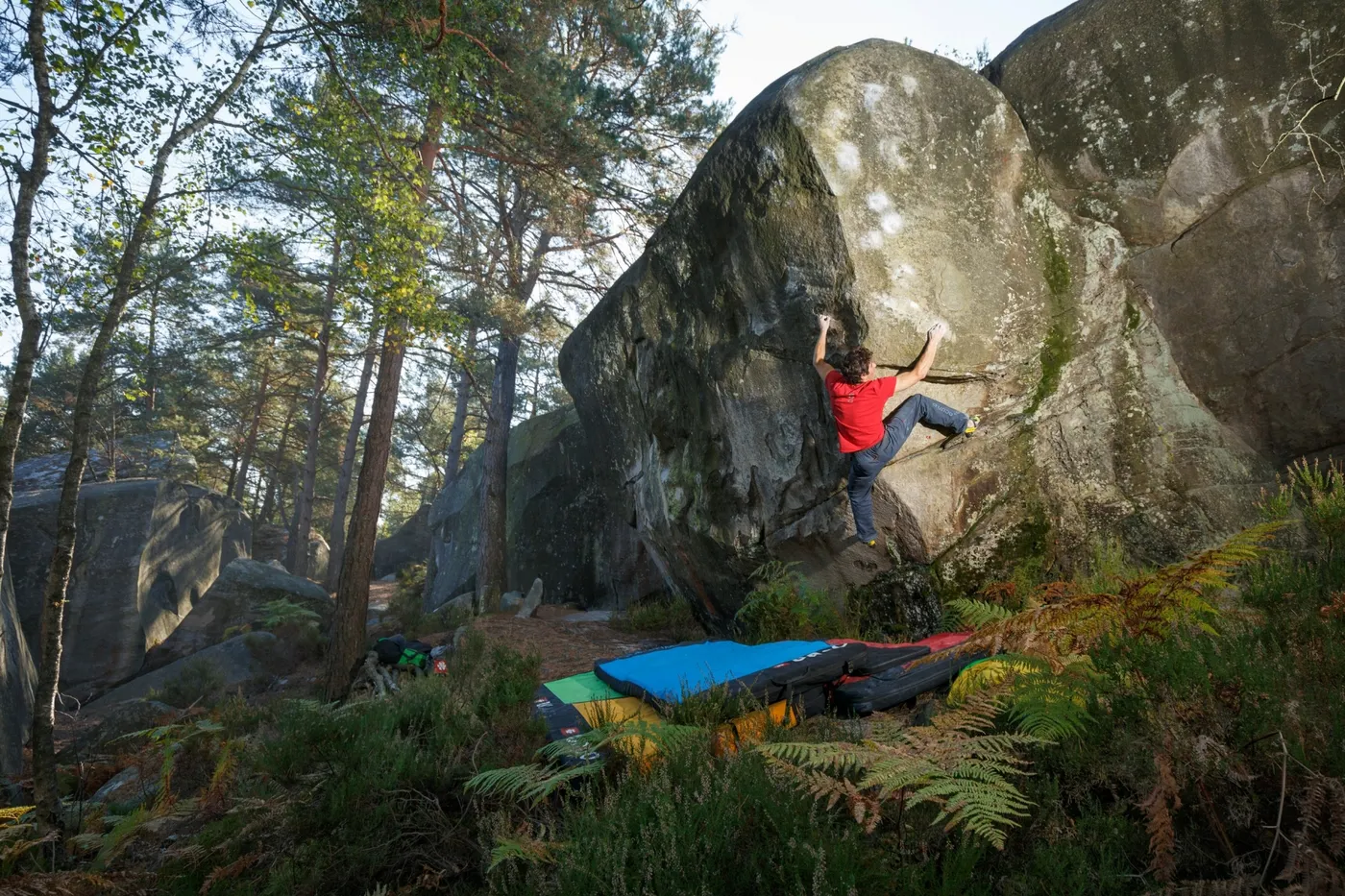
In the modern world, recreational climbing is generally accepted to have emerged in four regions: the North West of England, Elbe Sandstone in Germany, the Dolomites in Italy and Fontainebleau in France.
The first competitions and the IFSC
As the IFSC’s own website notes, the first modern climbing competition was “SportRoccia”, held in 1985 on a natural crag in Valle Stretta near Bardonecchia, Italy. The event, described as the start of a new era in sport climbing, was won by Stefan Glowacz of Germany.
In 1988, the French Federation and Paul Brasset started a movement that led the International Climbing and Mountaineering Federation (UIAA) to recognise sport climbing competitions, and the first World Series was held that year. Judging and governing bodies were set up under the UIAA. In 1990 it was decided that climbing competitions would be held only on artificial walls; the first World Cup took place in Frankfurt, Germany, in 1991, and the first Youth World Championship in Basel, Switzerland, in 1992. Bouldering was introduced as a style in 1998, and in 2005 the IFSC had French climber Jacky Godoffe create a standard route for speed climbing. In 2007 the IFSC was founded in Frankfurt with 57 federations, completing sport climbing’s separation from the UIAA.
In 2025 the IFSC changed its name to World Climbing. The new name was approved by the member national federations in October 2023 and written into the federation’s statutes; it was officially announced with its new brand identity on 10 December 2025. The new identity is being rolled out gradually through the 2026 season, and the World Climbing Series has replaced the IFSC World Cup.

Sport climbing in Türkiye
With sport climbing’s international development and the TDF joining the IFSC in 2007, sport climbing also developed faster in Türkiye. You can read the history on the TDF’s website here (in Turkish).