What is mountaineering?
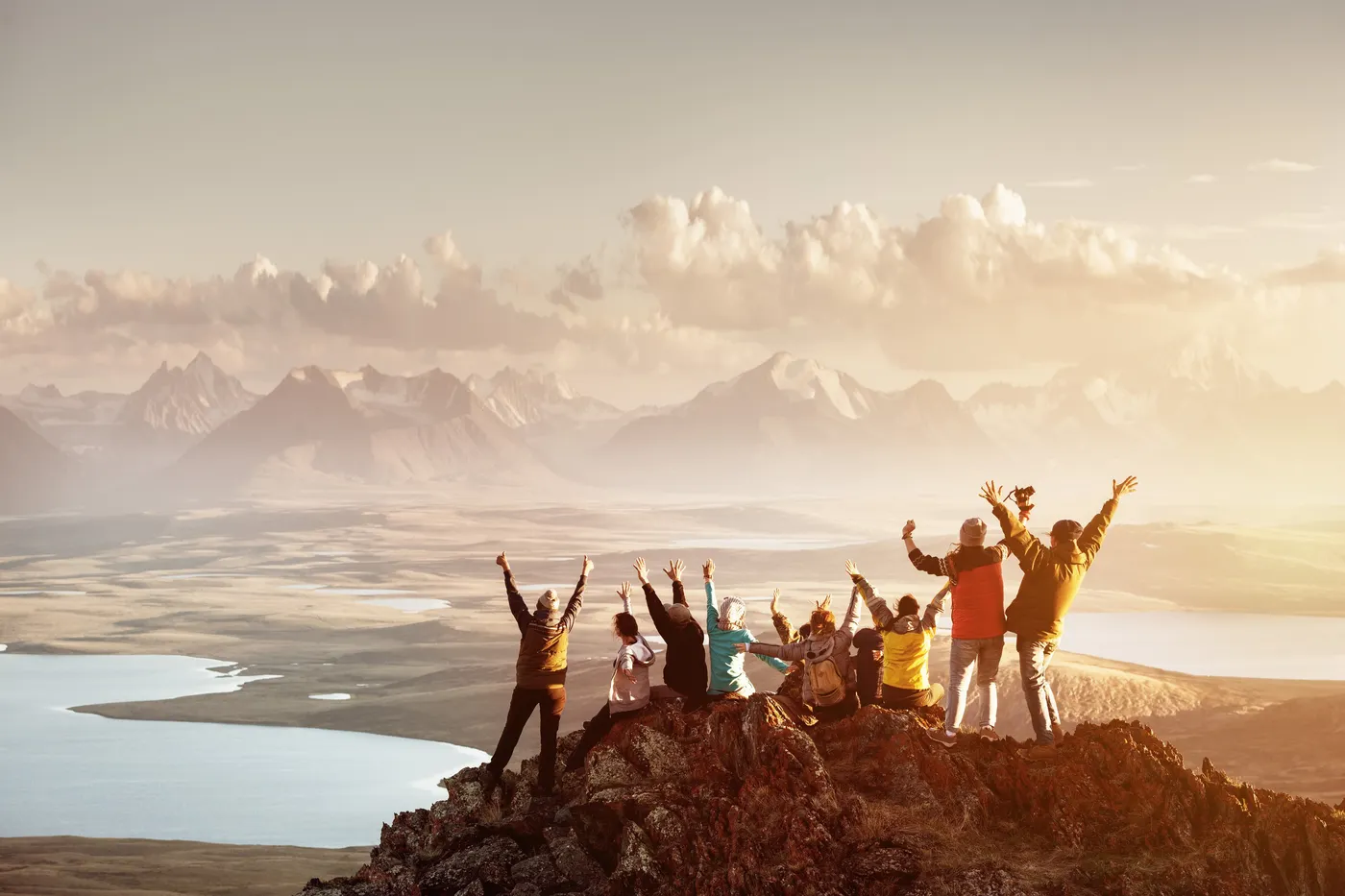
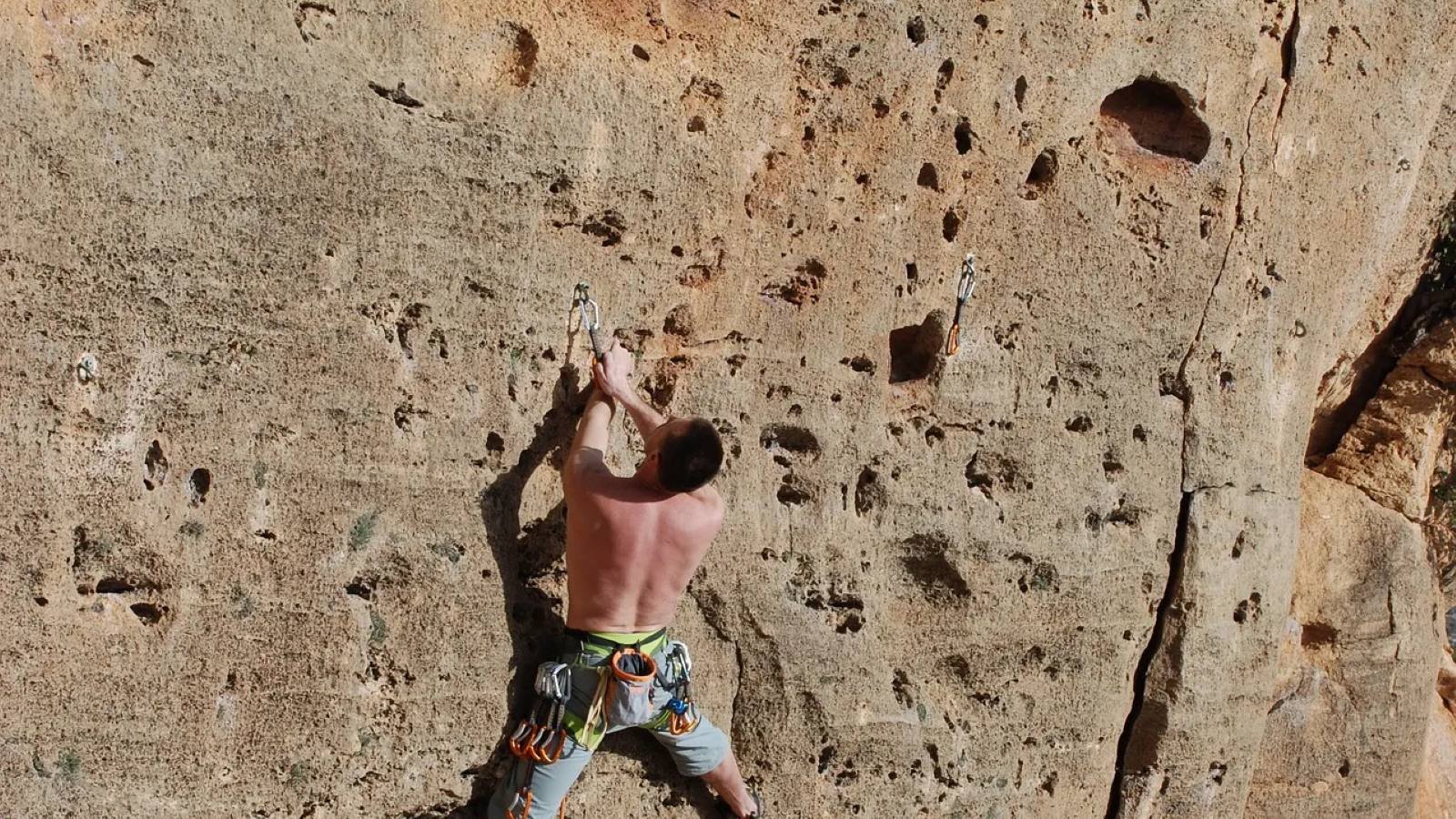
Mountaineering is the activity of climbing in the mountains, reaching a summit and, above all, getting back down safely, using a combination of hiking, rock, snow and ice skills. It is not a single movement or a single kind of terrain. On the same day you may need to follow a trail, cross a rocky ridge, climb a snow slope and move across a glacier roped to your team.
What sets mountaineering apart from other outdoor sports is that the environment cannot be controlled. The weather changes, snow conditions shift from hour to hour, and fatigue and altitude affect your judgement. That is why knowledge, experience and the ability to make the right decision at the right time matter as much as physical strength.
Types of mountaineering
Trekking
Hikes of several hours or several days on trails and ridges. Most trekking routes need no technical climbing, but depending on the route, the season and the conditions there may be snow or ice crossings, fixed-rope sections or stretches that call for crampons and an ice axe. Trekking is the gateway to mountaineering: this is where you learn navigation, camping and fitness.
Summer mountaineering and alpine climbing
Routes that cross rocky ridges, couloirs and permanent snowfields. Helmets, harnesses, ropes and belay techniques come into play. The Aladağlar and the Kaçkar Mountains are the best-known areas for this kind of route in Türkiye.
Winter mountaineering
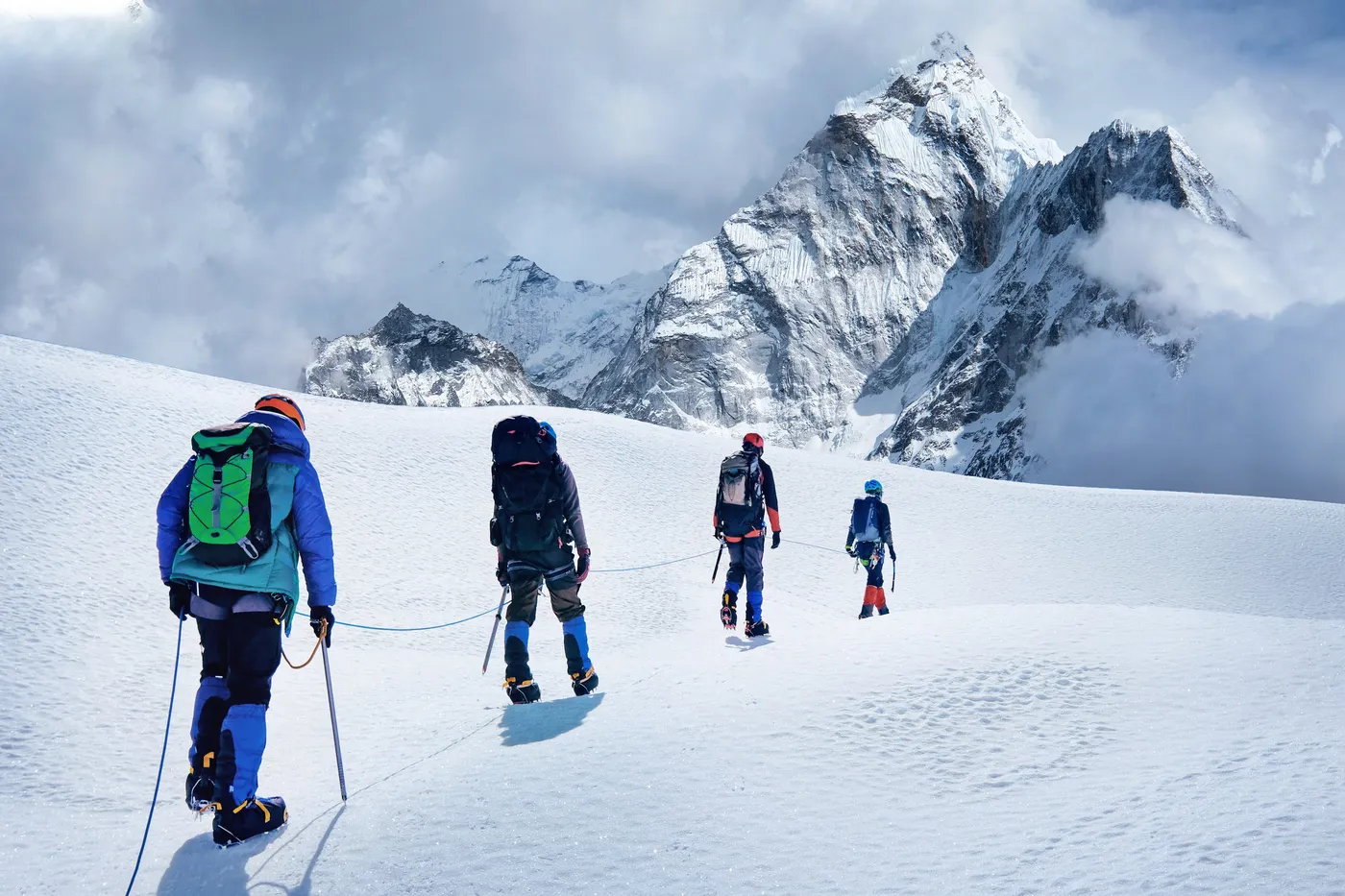
The same mountain is a completely different mountain in winter. Short days, cold, deep snow and avalanche risk change both the planning and the gear. Crampons and an ice axe become basic equipment. The gear you need is set by the avalanche danger along the route and the shape of the terrain. In avalanche terrain everyone in the group should carry a transceiver, a probe and a shovel, and should have learned to use them on an avalanche course. Gear alone is not enough: read the avalanche bulletin before you set off and choose your route and timing accordingly.
Ice and mixed climbing
Technical climbing on frozen waterfalls and ice-covered rock with ice tools and crampons. It requires separate training and experience.
High-altitude mountaineering
Climbing at altitudes where height has a clear effect on the body. As you go higher, air pressure drops. The proportion of oxygen in the air stays the same, but each breath brings less oxygen into the lungs and less oxygen passes into the blood. There is no single, fixed threshold, and sources draw the line in different places. In the widely used classification of the International Society for Mountain Medicine (ISMM), 1,500–3,500 m counts as “high”, 3,500–5,500 m as “very high” and above 5,500 m as “extreme” altitude. At these heights the biggest challenge is often not technique but the lower amount of oxygen reaching the blood. A sound acclimatisation plan is the key to both success and safety.
Ski mountaineering (skimo)
Climbing a mountain on skis with special bindings and climbing skins, then skiing down. It is both a backcountry activity and a competitive sport, and it made its Olympic debut at the 2026 Milano Cortina Winter Olympics.
Mountaineering in Türkiye
Türkiye offers a remarkably varied mountain landscape, from volcanic summits to limestone walls and from the rainy ranges of the Black Sea coast to the high plateaus of the east. The main peaks:
- Mount Ağrı (Ararat, 5,137 m): the highest point in Türkiye. A volcano that requires acclimatisation.
- Uludoruk (4,135 m): in the Cilo-Sat Mountains of Hakkari. A large share of Türkiye’s glaciers lie in this region.
- Mount Süphan (4,058 m): a broad volcano north of Lake Van.
- Mount Kaçkar (3,932 m): the highest summit of the eastern Black Sea region, known for its glacial lakes and high pastures.
- Mount Erciyes (3,917 m): in Kayseri. One of the most accessible high peaks for winter mountaineering and ski mountaineering.
- Demirkazık (3,756 m): in the Aladağlar. With its technical alpine routes, one of the country’s most important climbing areas.
In Türkiye, mountaineering is organised under the Turkish Mountaineering Federation (TDF), through its provincial representatives and clubs. The federation’s step-by-step training system starts with basic summer and winter mountaineering courses and continues with advanced technical courses. The best way to start mountaineering safely is to join a club and take these courses in order.
Sources
- Altitude classification (ISMM) and altitude illness – StatPearls, NCBI
- Gear and training needed in avalanche terrain – Avalanche Canada
- Mountaineering courses in Türkiye – Turkish Mountaineering Federation