Sport climbing competitions are held in three disciplines: Lead, Boulder and Speed. Each discipline has its own wall, rules and scoring. On this page you will find the three disciplines under World Climbing’s current rules, the combined format and the Olympic programme of sport climbing.
Numbers on the wall
- 4.54 sMen’s Speed world record: Zhao Yicheng, 2026
- 5.99 sWomen’s Speed world record: Emma Hunt, 2026
- 15 mHeight of the Speed wall; the route is the same everywhere
- 4.5 mMaximum height from the mat to the TOP in Boulder competitions
- 3 medalsLead, Boulder and Speed separately at Los Angeles 2028
Lead
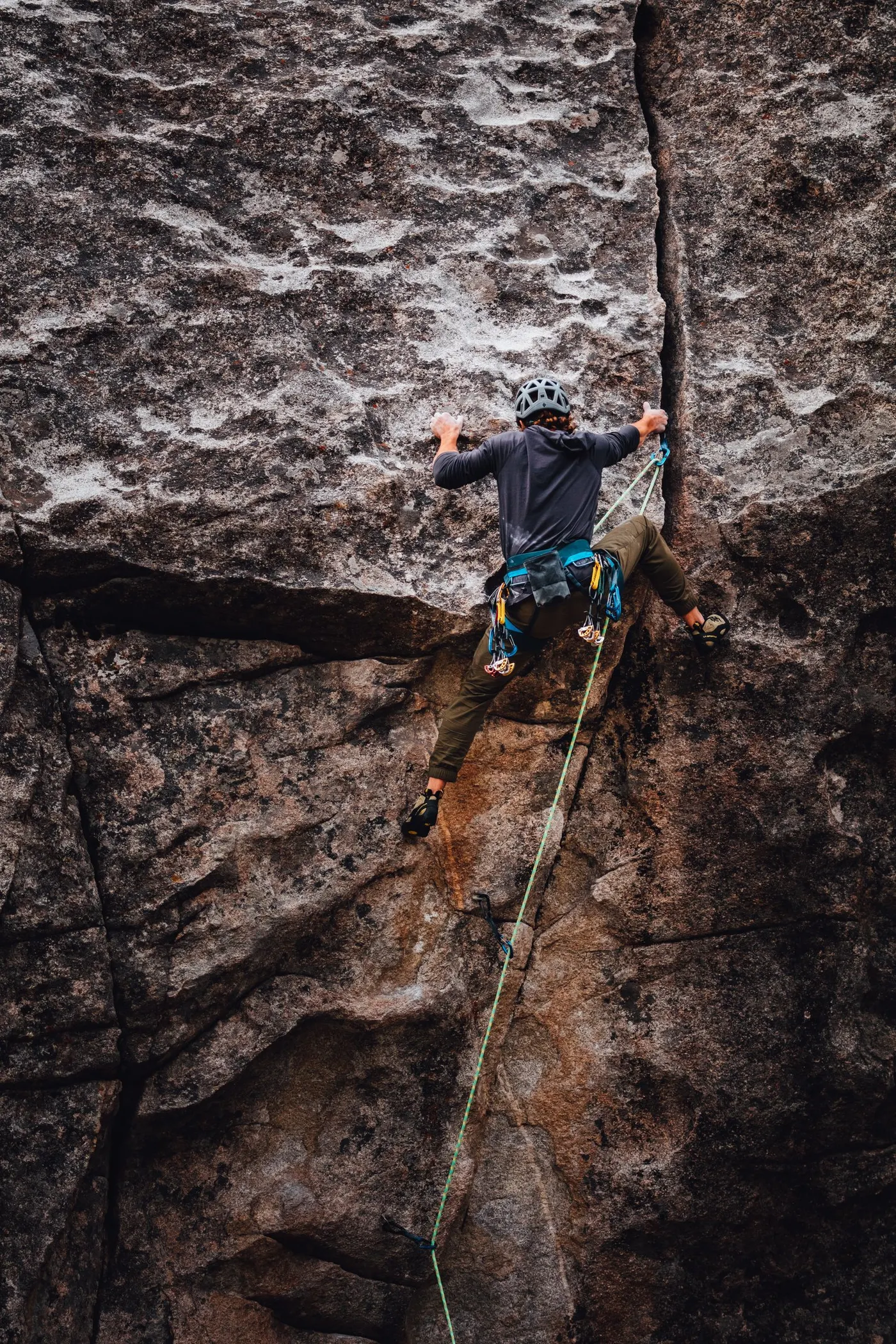
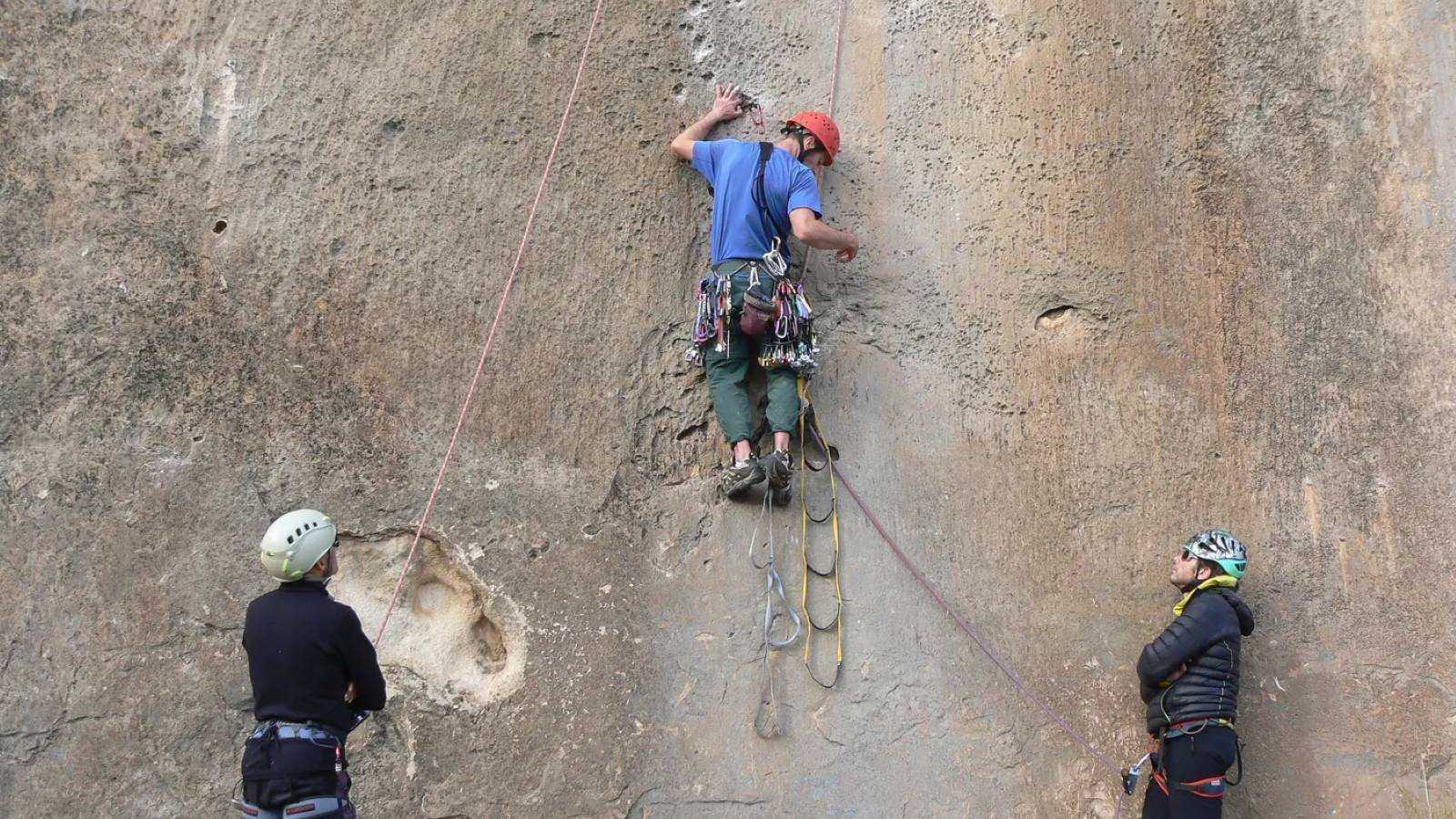
In Lead climbing the athlete climbs on a rope, belayed from below. As they climb, they clip the rope into the quickdraws on the route in order. An athlete who clips the last anchor of the route has completed it (TOP). The principles are similar to sport climbing on rock; competition routes are set on overhanging artificial walls at least 15 m high.
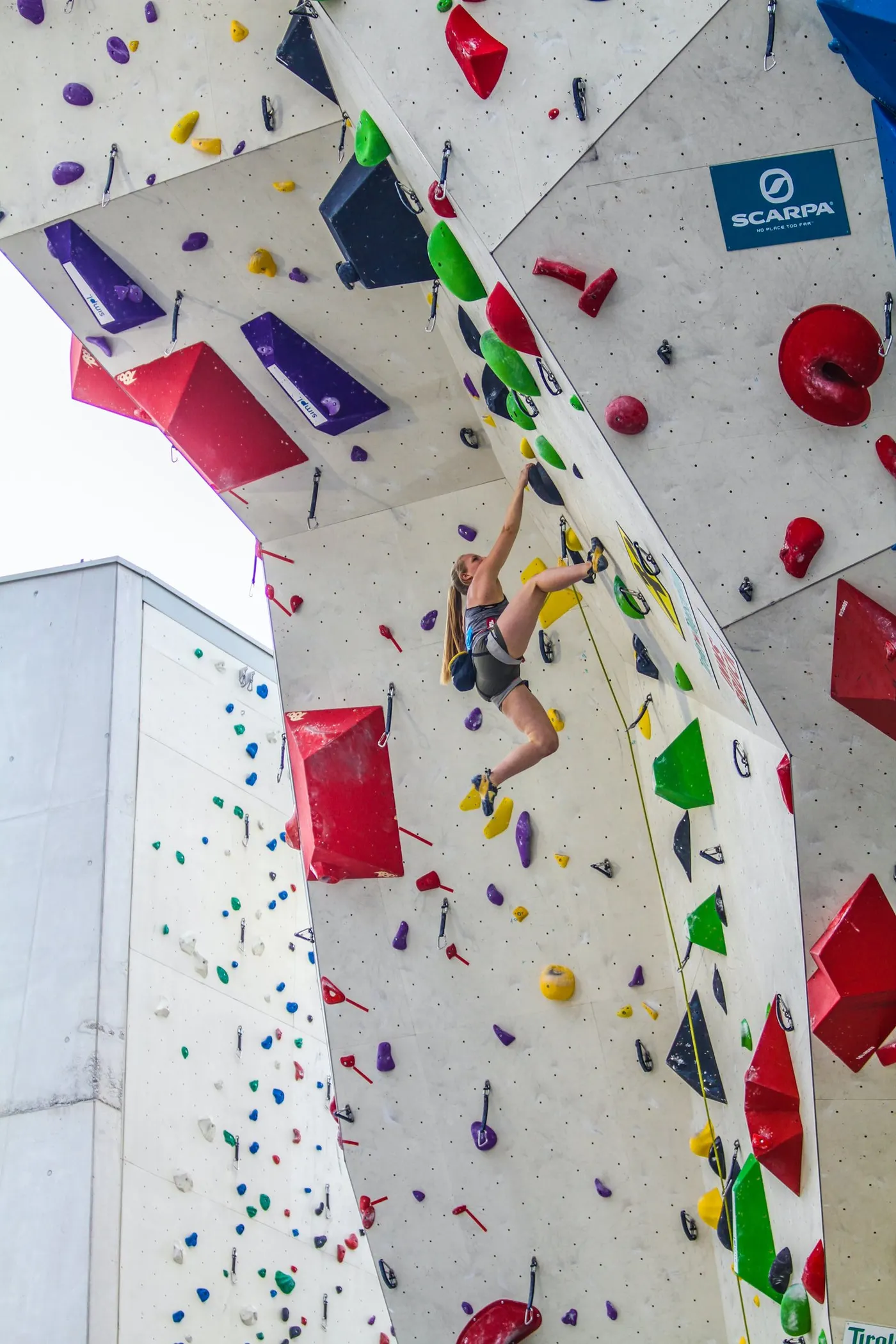
A competition consists of qualification, semi-final and final rounds. In the World Climbing Series, 24 athletes go through to the semi-final and 8 to the final. The number of rounds can vary by category and competition.
General rules
- The athlete has only one valid attempt on each route. The climbing time is set by the event regulations and cannot exceed 6 minutes.
- Athletes are ranked by the highest hold they reach. If the athlete has controlled a hold and made a move towards the next one, a “+” is added to their result: 32+ beats 32.
- Climbing time is only used in the ranking if the event regulations say so.
- There is no observation period or isolation in qualification. In the semi-final and final, athletes wait in an isolation zone and climb the route seeing it for the first time. A shared observation period is given beforehand, during which trying the route is forbidden.
- Separate routes are set for women and men.
Boulder
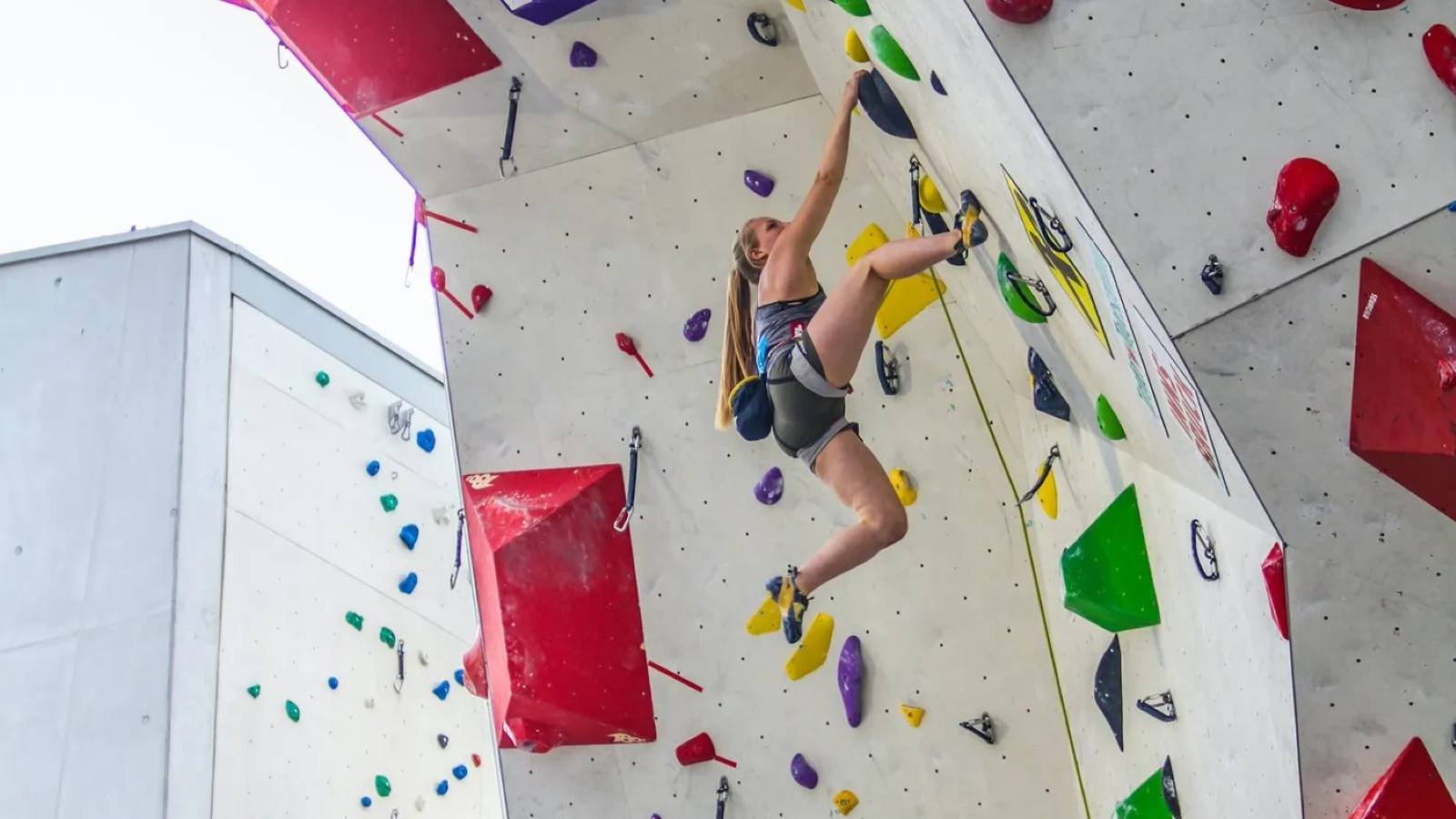
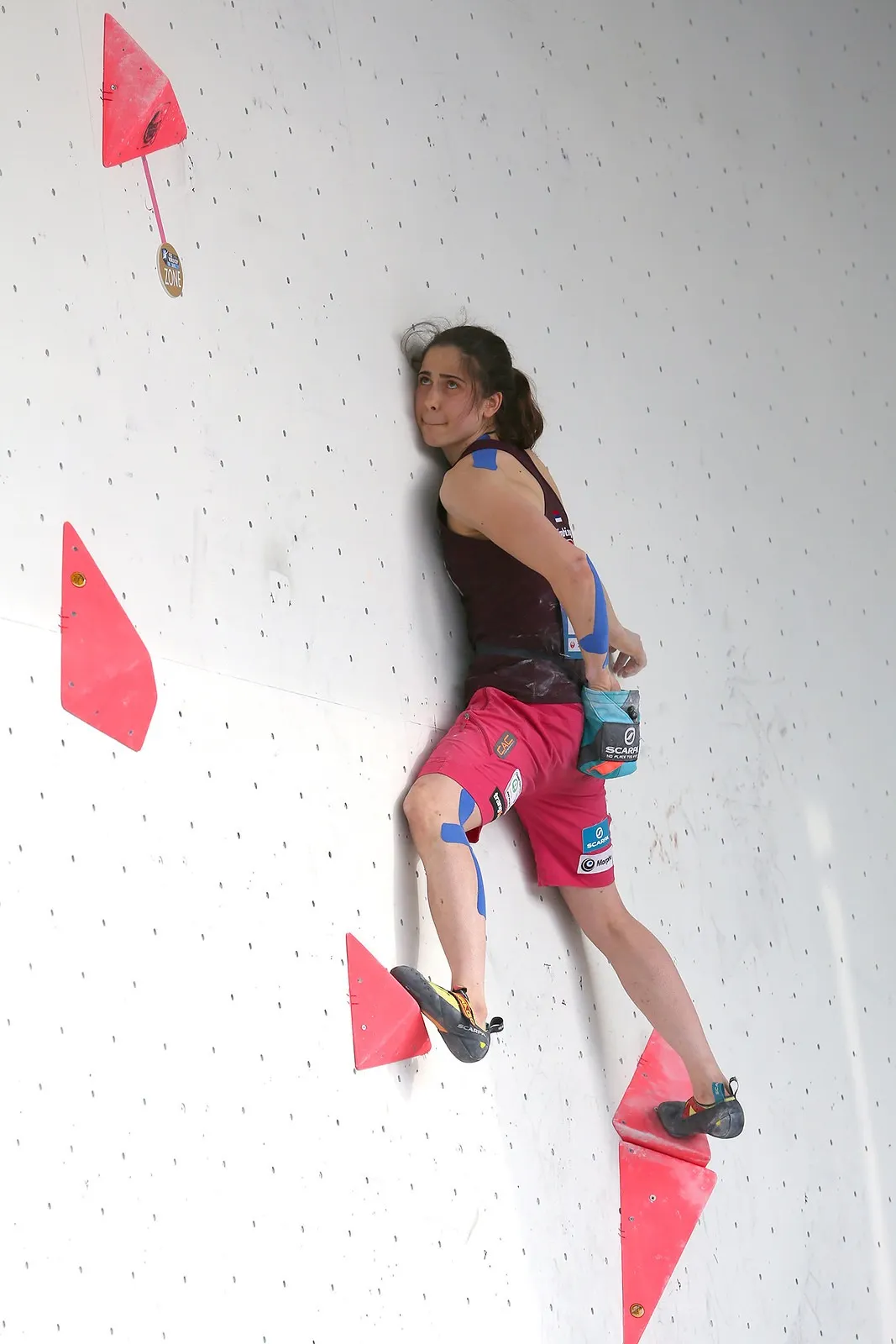
Boulder competitions are climbed without a rope. The athlete climbs short but hard routes (boulders or problems), protected in a fall by thick crash mats. In World Climbing competitions the highest point of the route, the TOP, may be no more than 4.5 m above the mat surface.
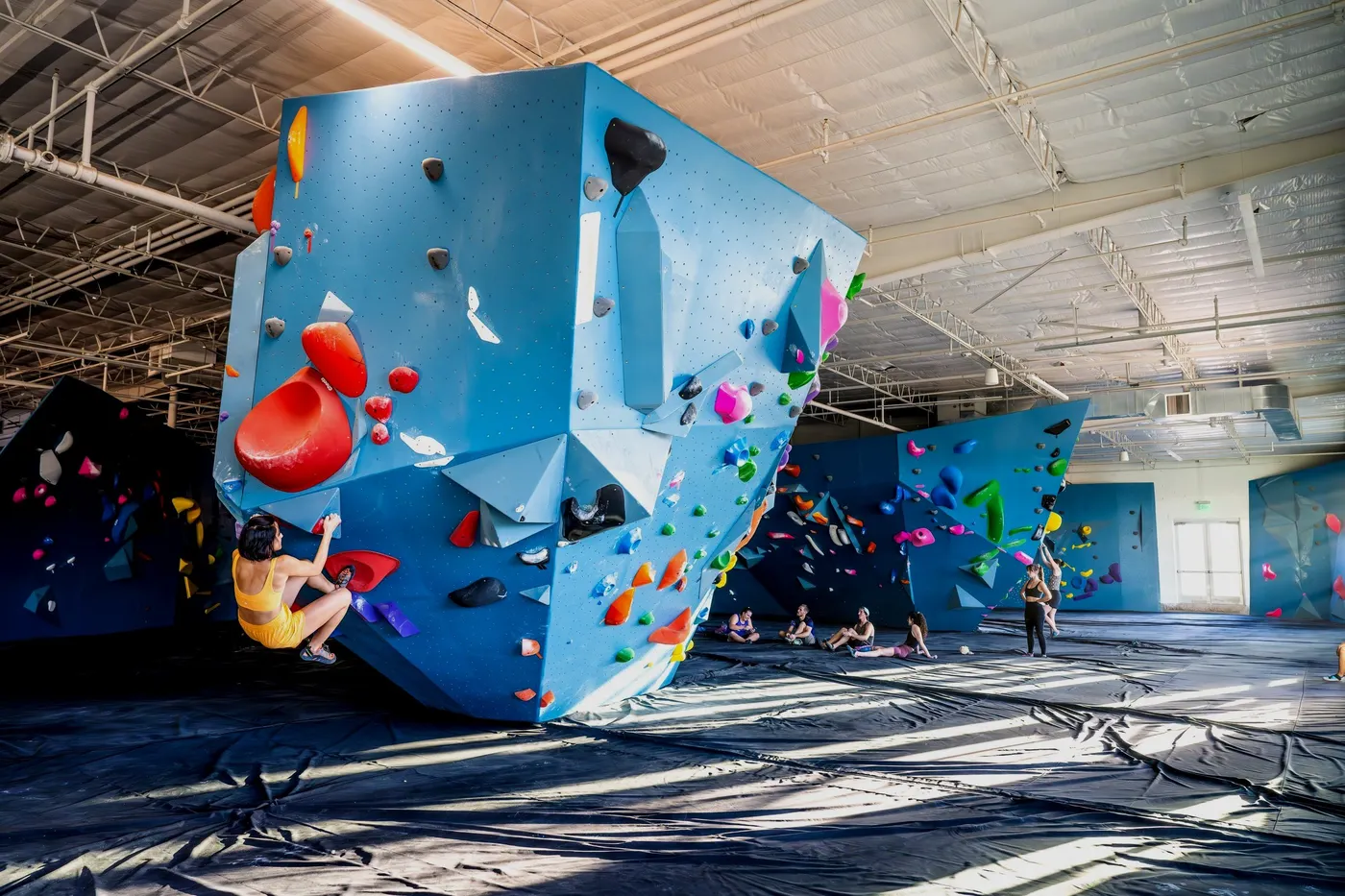
Each boulder has a colour-marked start position, a zone hold roughly halfway up, and a finishing hold (TOP). The athlete completes the boulder by controlling the finishing hold with both hands or by standing on top of the boulder. A competition consists of qualification, semi-final and final rounds; in the World Climbing Series, 24 athletes go through to the semi-final and 8 to the final.
General rules
- The time allowed for each boulder and the number of attempts are set by the event regulations. Within that time the athlete may try the boulder more than once.
- Since 2025 World Climbing has used a points system. A TOP is worth 25 points and a zone 10 points, and each failed attempt deducts 0.1 points. An athlete who tops a boulder on the first attempt gets 25 points; on the third attempt, 24.8. The highest possible score in a four-boulder final is 100.
- Before 2025, athletes were ranked by the number of TOPs, then the number of zones, then the attempts needed for them.
- Athletes climb the boulders seeing them for the first time. Trying the boulders during observation is forbidden.
- Separate boulders are set for women and men.
Speed
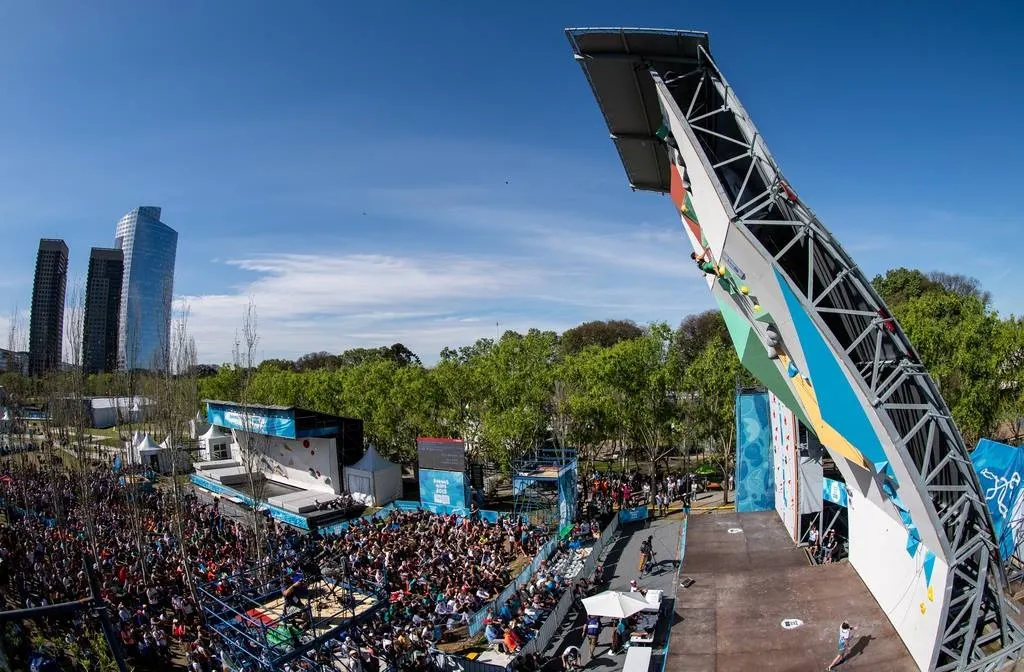
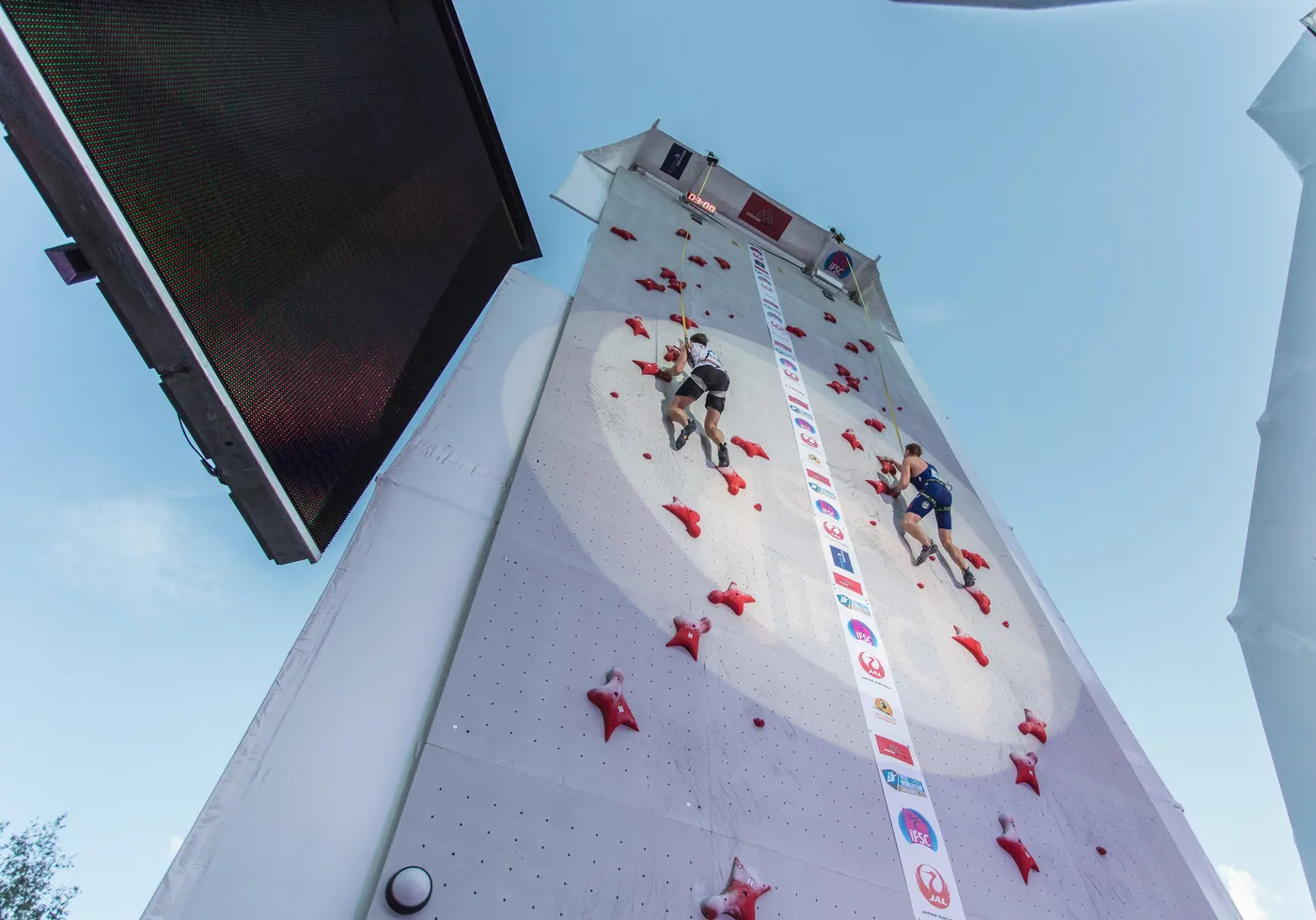
In Speed climbing athletes race on a standard route that is the same all over the world. The wall is 15 m high and slightly overhanging at 5°. The position, angle and order of the holds are standard; the route is the same for women and men and does not change between rounds. The athlete is protected by an auto-belay at the top. The winner is the athlete who hits the finish pad in the shortest time.
General rules
- The athlete has one valid attempt per race. The result is either the time taken or recorded as a “fall” or a “false start”.
- The clock starts with the start signal and stops when the athlete hits the finish pad. An athlete who moves before the start signal has made a false start.
- Because the route can be memorised, there is no observation period. A practice period may be given before the competition.
- In qualification, athletes make several runs and are ranked by their best time. In the finals, athletes race side by side, and the winner of each heat goes through to the next round. For many years walls had two lanes; since 2026 some World Climbing Series events have been held on four-lane walls.
World records
| Category | Time | Athlete | Date and place |
|---|---|---|---|
| Men | 4.54 s | Zhao Yicheng (China) | 10 May 2026, Wujiang |
| Women | 5.99 s | Emma Hunt (USA) | 4 July 2026, Kraków |
Emma Hunt’s time is the first by a woman under 6 seconds. Speed is the only climbing discipline with official world records. Records are correct as of 4 November 2026.
Combined
Combined is not a separate discipline but a format in which the same athletes compete in more than one discipline and the results are added up into a single ranking. Each discipline keeps its own rules. The format has changed over the years.
- Tokyo 2020: sport climbing joined the Olympic programme for the first time. Athletes competed in Speed, Boulder and Lead; the rankings in the three disciplines were multiplied to give a single result. One medal event was held for women and one for men.
- Paris 2024: Boulder and Lead were held as a combined event. Each part was worth up to 100 points, up to 200 in total. Speed became a separate medal event.
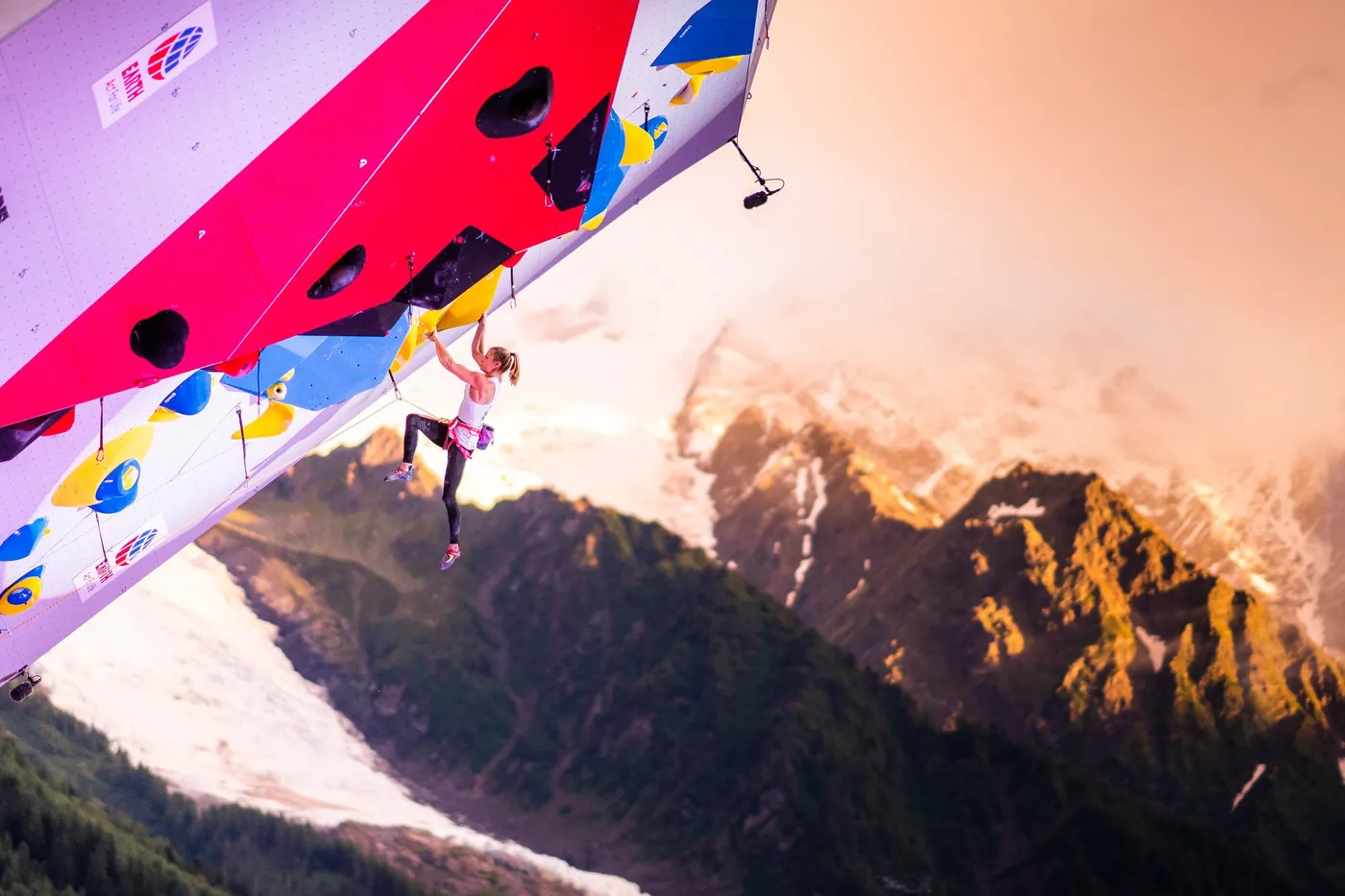
- Los Angeles 2028: in April 2025 the IOC Executive Board approved Lead, Boulder and Speed as separate medal events. There will be 6 events in total for women and men, with 76 athletes (38 women, 38 men).
For wall dimensions see Climbing Wall Specifications, and for the national competition rules see Competition Rules.
Sources
- Competition rules (January 2026) – World Climbing
- Event regulations (January 2026) – World Climbing
- 2025 rule changes: Boulder scoring and round quotas – World Climbing
- Boulder route height – World Climbing wall requirements
- The Lead discipline – World Climbing
- The Speed discipline – World Climbing
- Four-lane Speed format, Kraków 2026 – World Climbing
- Men’s Speed world record – Olympics.com
- Women’s Speed world record – Olympics.com
- Separate medals for the three disciplines at LA28 – World Climbing
- Turkish Mountaineering Federation Central Judges Board rulebook – TDF