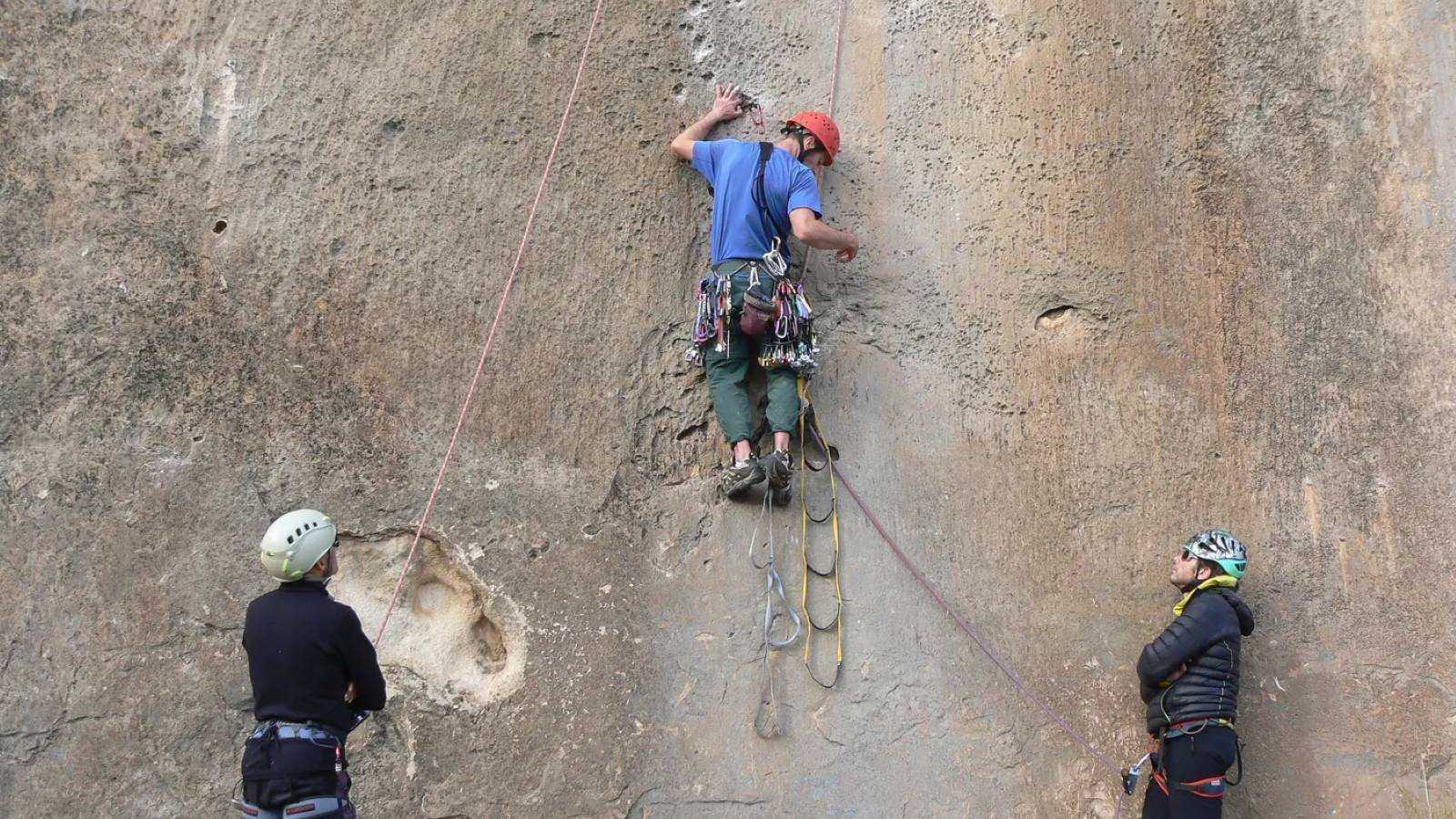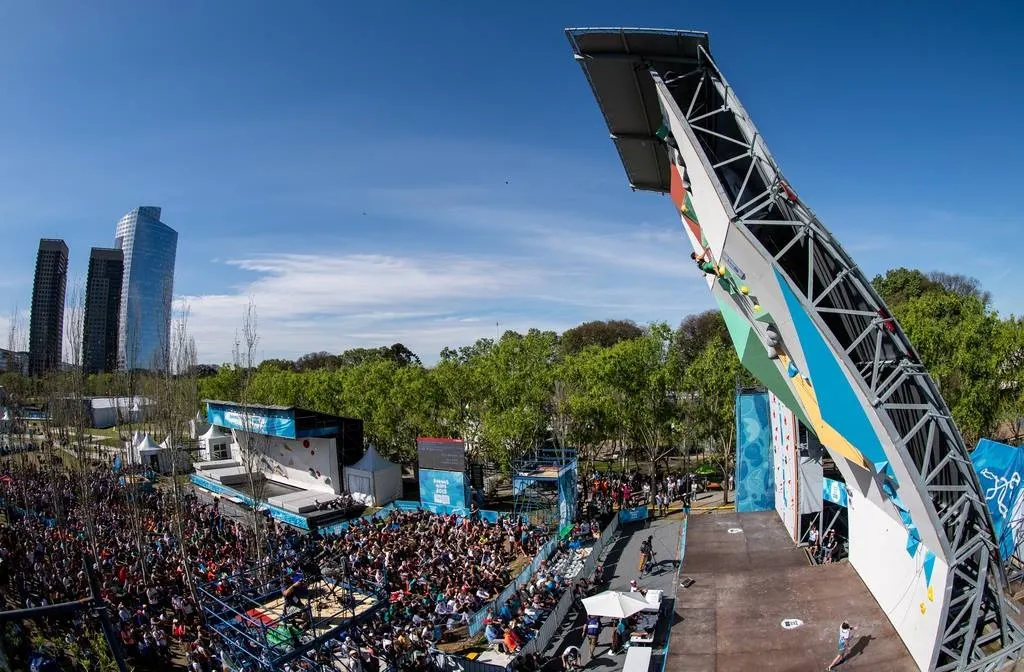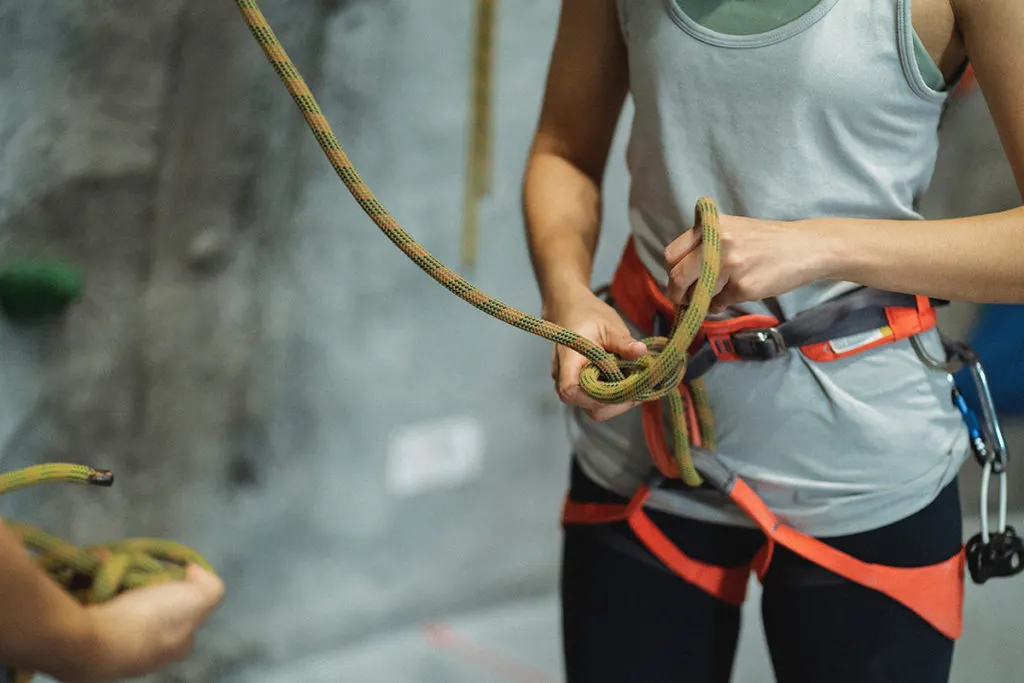
In free climbing the climber uses only their own strength to move up; a rope and protection, if any, are there only to catch a fall. Below you will find the styles of free climbing, from sport and trad climbing to ice climbing, with photos and videos.
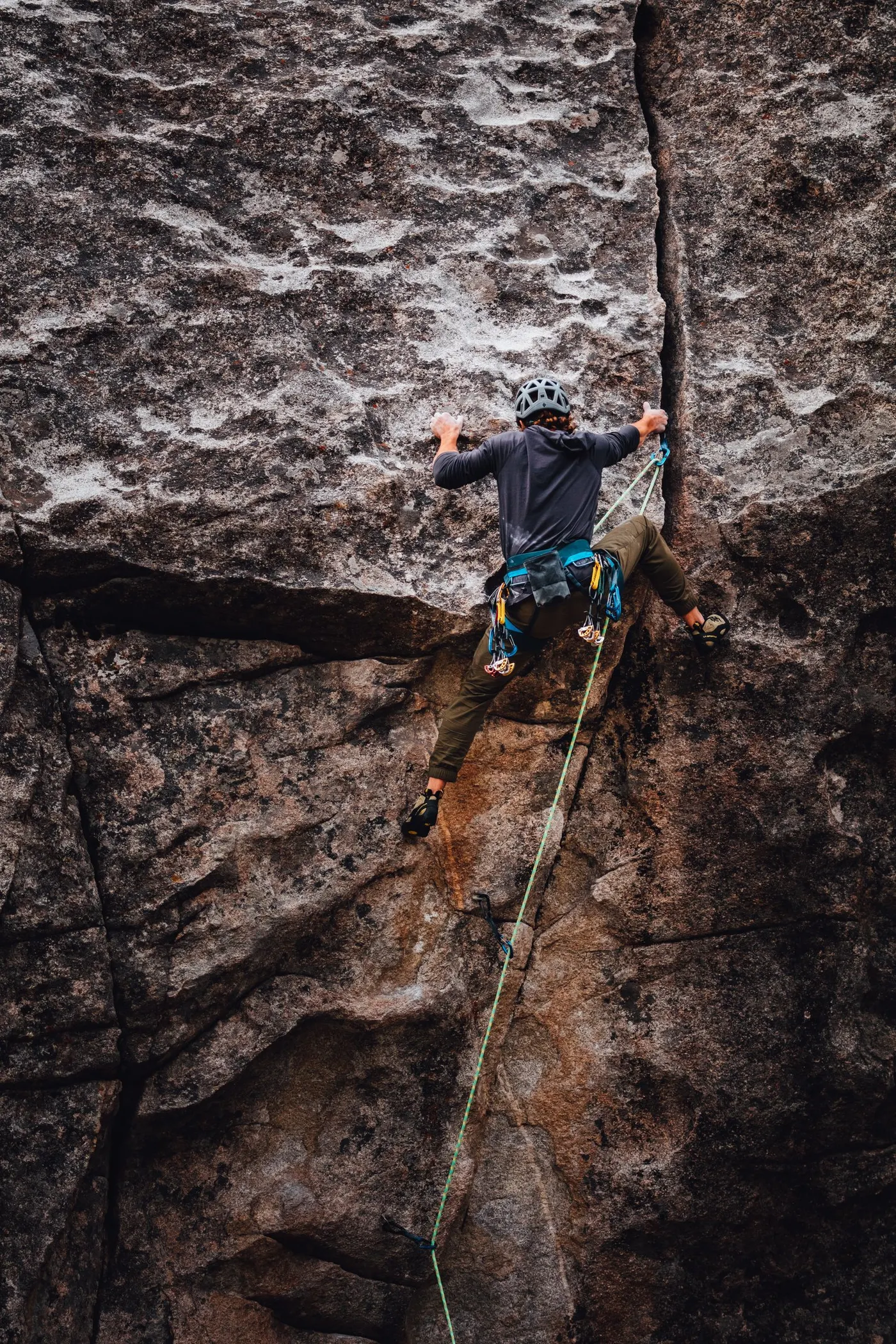
Lead Climbing
Lead climbing is a style in which one climber moves up towards a top anchor or the summit, clipping the rope into protection points along the way, while a second climber belays from below.
Lead climbing can be done in two ways: sport climbing and traditional (trad) climbing.
In lead climbing the most experienced climber goes first as the leader, carrying the rope up and creating the protection points. Once the leader has built the top anchor, any middle climbers follow, and finally the last climber, belayed from above, climbs and collects the protection on the way.
To see how to belay a leader step by step, watch VIDEORACLES’ “Belaying a Leader” training video. A video is no substitute for instruction from a real instructor.
Sport Climbing
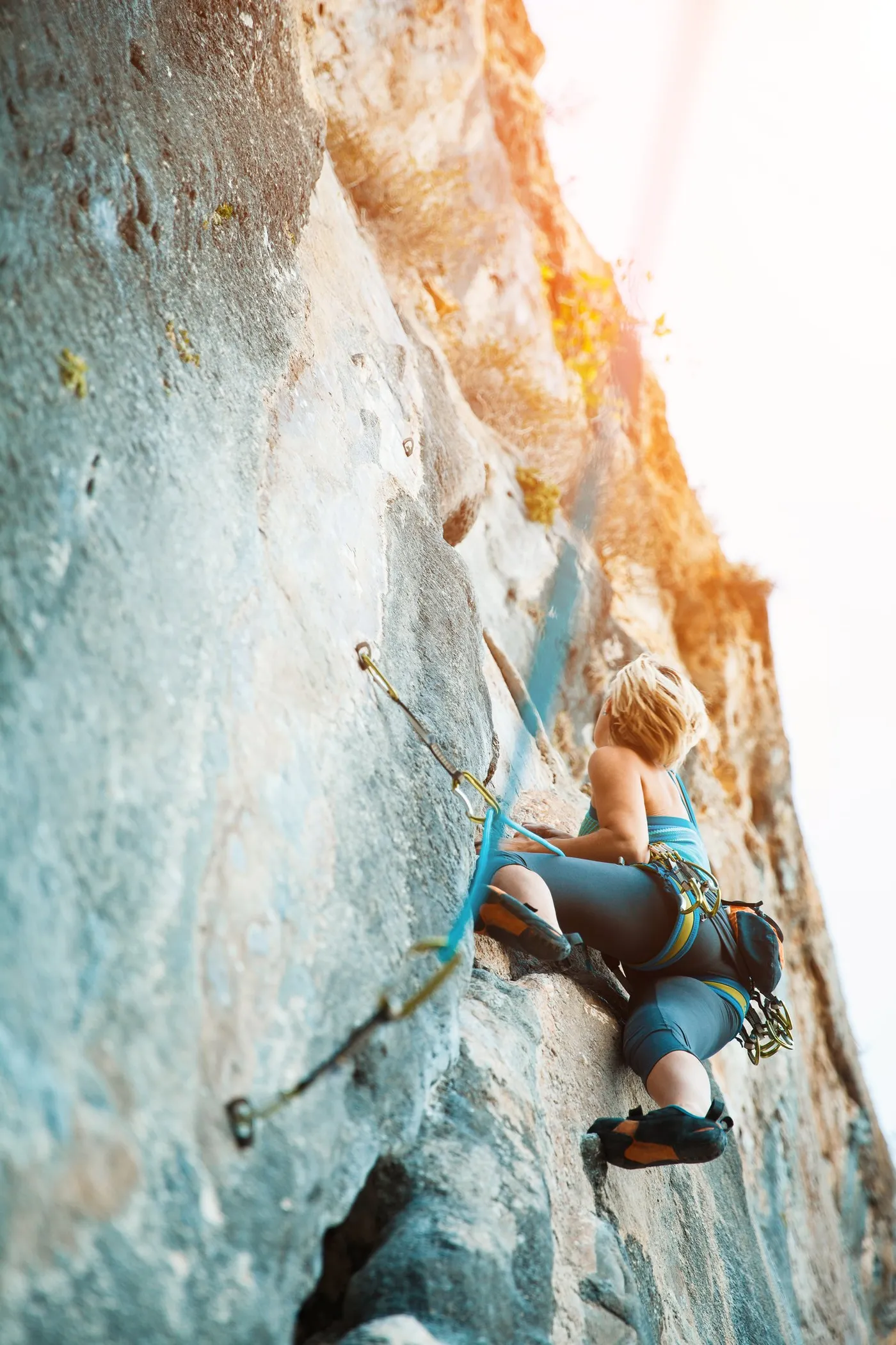
A style in which the leader moves up one or more pitches by clipping the rope into pre-placed, bolted protection, while the second belays.
Because the routes and their protection points are prepared in advance and fixed in the rock, sport climbing needs relatively little preparation. Since climbers don’t place the protection themselves, they need less gear and can focus on the moves. Still, fixed protection does not mean a route is safe in every case: the condition of the bolts and anchors, the distance between them, ledges in the fall line and the belayer’s attention all determine the risk.
Today it is done for recreation and also as competitions on rock, with rules similar to competition climbing.
Traditional (Trad) Climbing
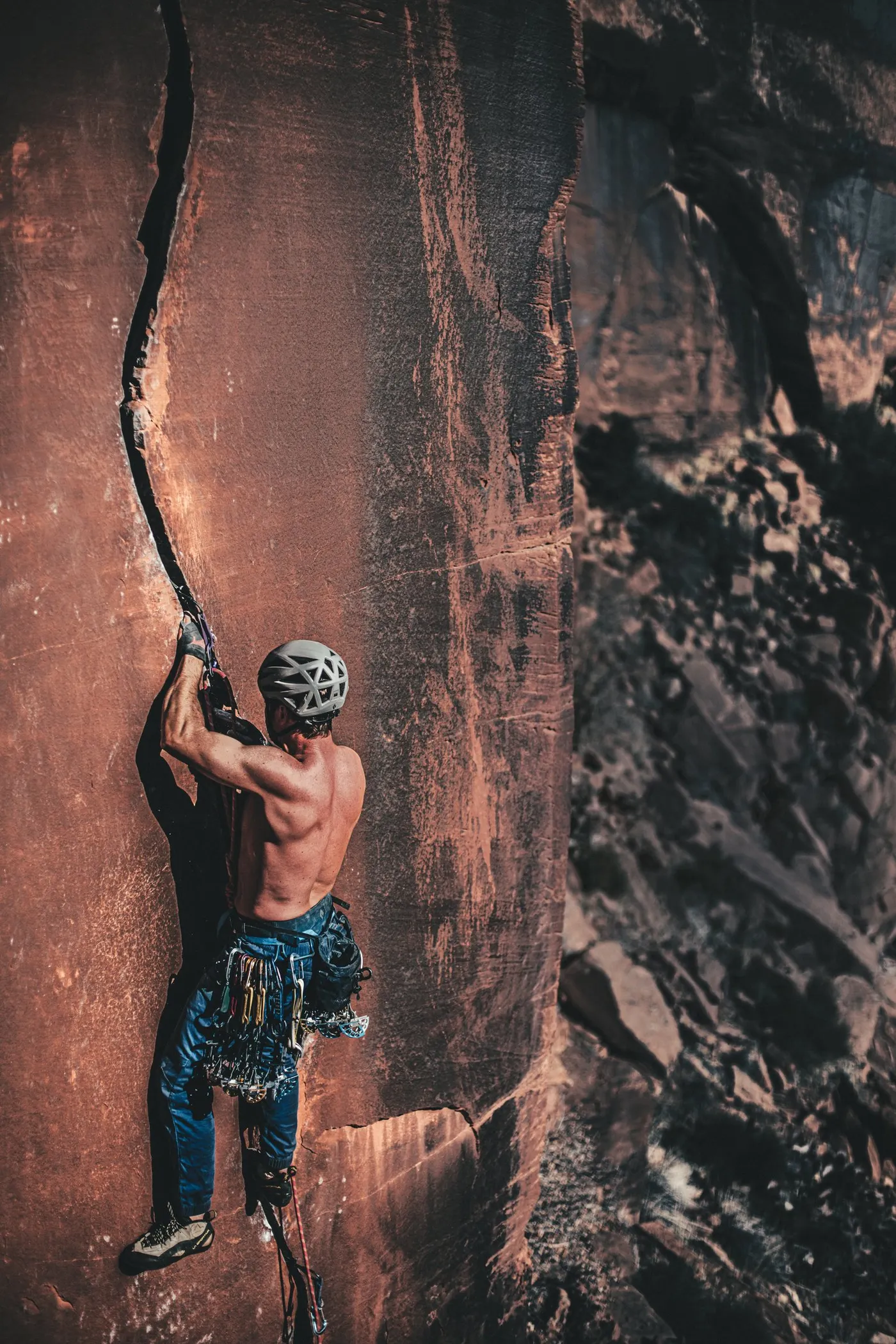
A style of rock climbing in which the leader places protection while climbing, and the second collects that gear on the way up. Because the leader builds protection with active (friends, tricams and so on) and passive (stoppers, hexes and so on) devices, and because it needs more and different gear and raises concerns about how solid the placements are, it is less popular than sport climbing.
While sport climbing is more about technique and solving the route, trad climbing is also about finding and protecting the line, which makes it more mentally demanding. From the 1980s onwards sport climbing spread rapidly; trad climbing is still widely practised in many parts of the world, especially on natural crack lines and in areas where bolting is restricted. The two styles carry different risks: in trad climbing safety depends largely on the quality of the protection the climber places, and in sport climbing on the condition and correct use of the fixed protection. Which is safer depends on the route, the rock and the climber’s experience.
Via Ferrata
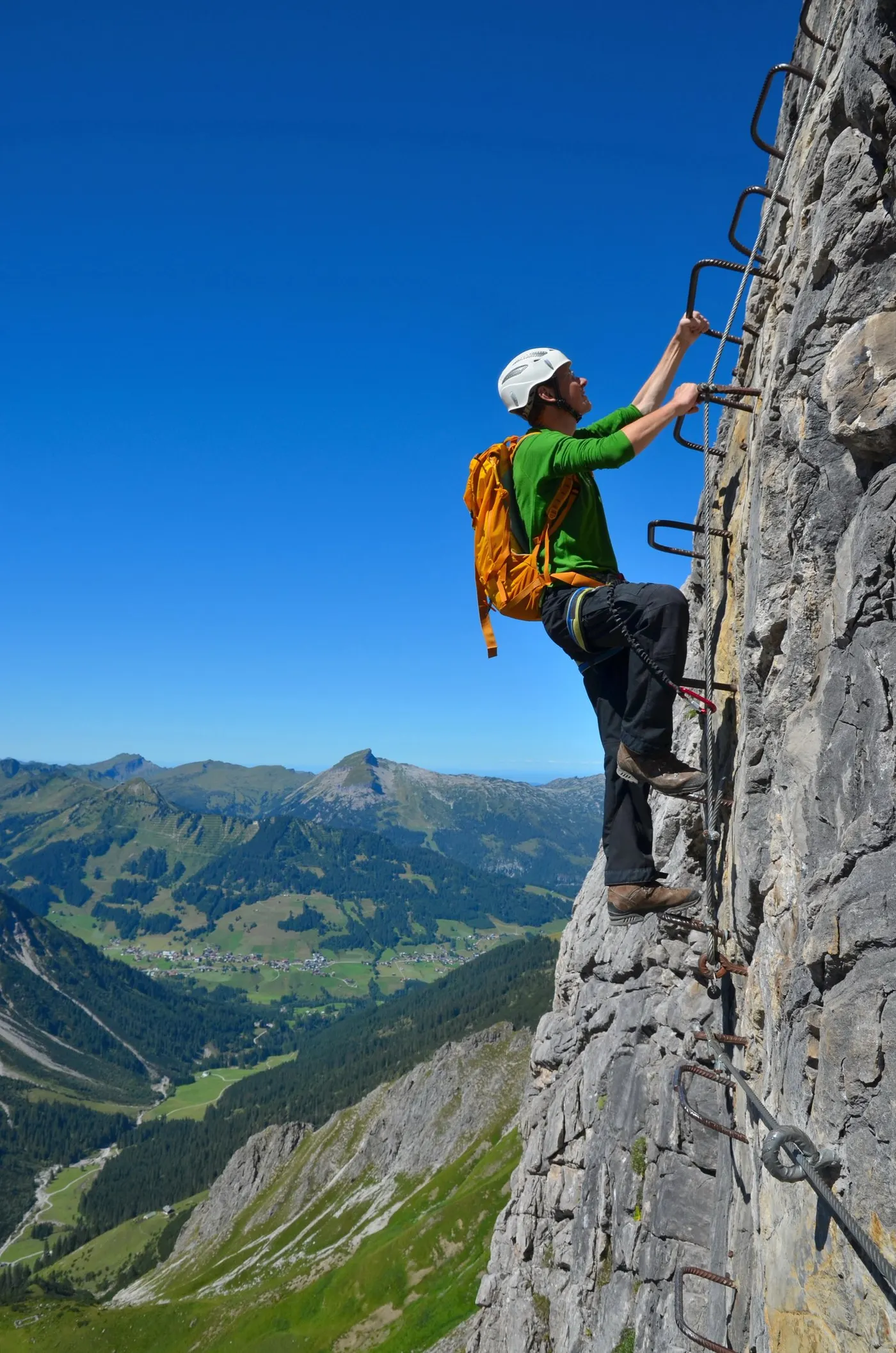
The name is Italian and means “iron way”; it is used under this name all over the world. Via ferrata routes are made of steel cables, rungs, ladders, bridges and other structures fixed to rock walls. Climbers move along them clipped in with a twin-armed lanyard.
Routes are graded: easy routes suit beginners, hard routes demand strength and experience. You need a via ferrata set with an energy absorber (EN 958), a helmet and a harness. Your first routes should be done with a guide or an experienced person, and you should check the weather, especially for lightning.

Top Rope
Top roping is a style in which the climber is tied into a rope running through a top anchor and is belayed by a belayer below. The climber does not place any protection on the way and can focus purely on climbing. Because no intermediate protection is clipped, it is often used in beginner courses and in gyms. Its safety, however, depends on the system being set up correctly: a solid top anchor, correct rope routing, friction between rope and rock, and an attentive belayer.
The top anchor can be built by an experienced climber leading the route, or, where the terrain allows, by walking to the top.
Bouldering/Highballing
Bouldering
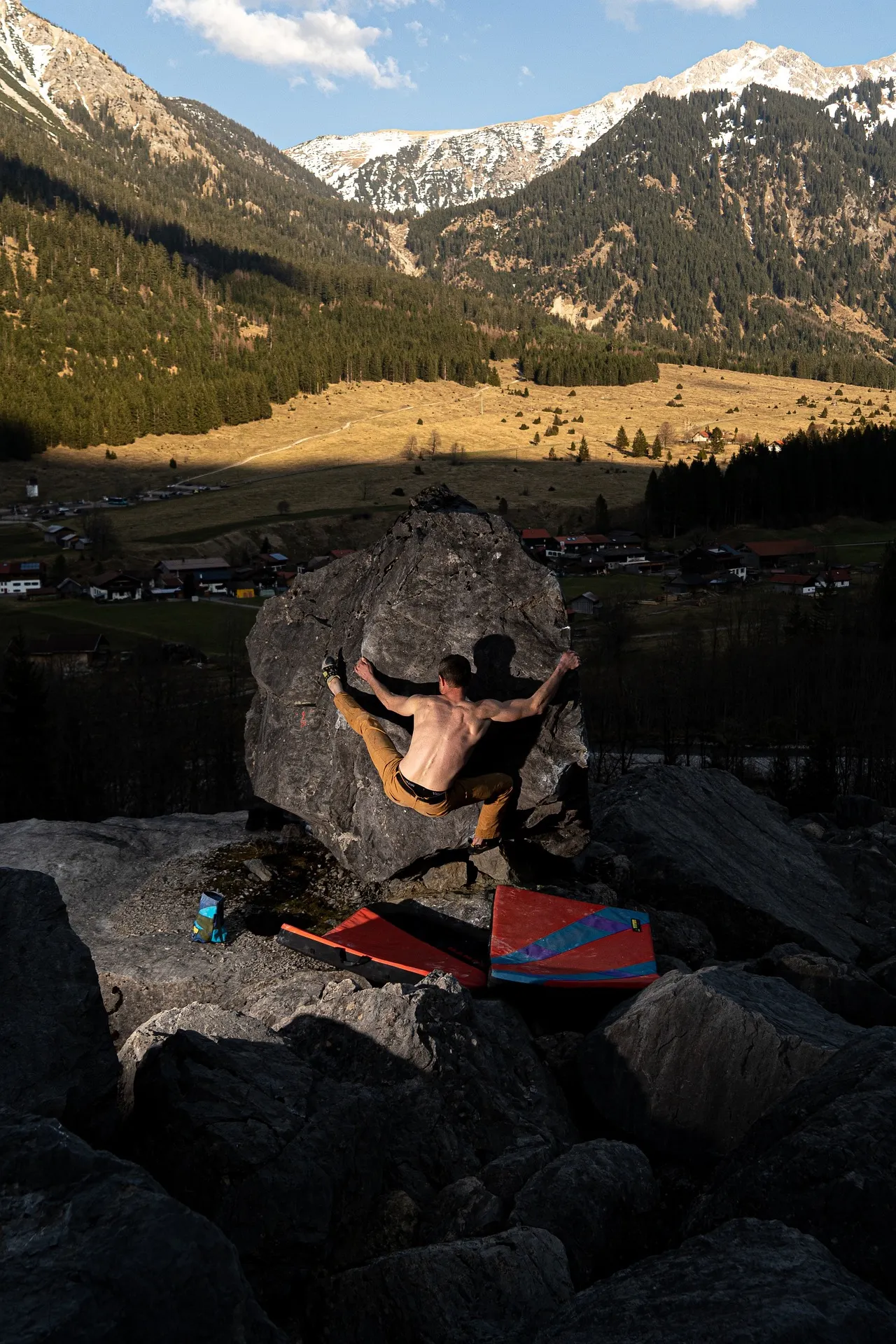
As the name suggests, this is rock climbing on small boulders without a rope or harness. Climbers place crash pads on the ground for protection. The difference from free solo is that it is done on low rocks where you can fall onto a mat. This lets climbers try much harder moves again and again. There is no agreed height limit between bouldering and highballing; the distinction is set by the fall height and how safely the fall can be caught.
It began as a training method for roped climbing and mountaineering but developed its own methods over time. Because boulders are climbed close to the ground, hard technical moves can be practised safely. The chance to try again and again, and the idea of solving a rock problem, are what make bouldering fun.
Highballing
As the name hints, this is one of the newest styles of climbing: the name for boulder problems high enough that a fall could cause serious injury. Again there is no exact height limit. The risk comes not only from height: the ground, rocks and slope in the landing zone, the likely direction of a fall and where the hardest move is on the problem all matter. The climber is still unroped. Several pads placed along the fall line and experienced spotters who guide the climber onto them reduce the risk, but do not remove it.
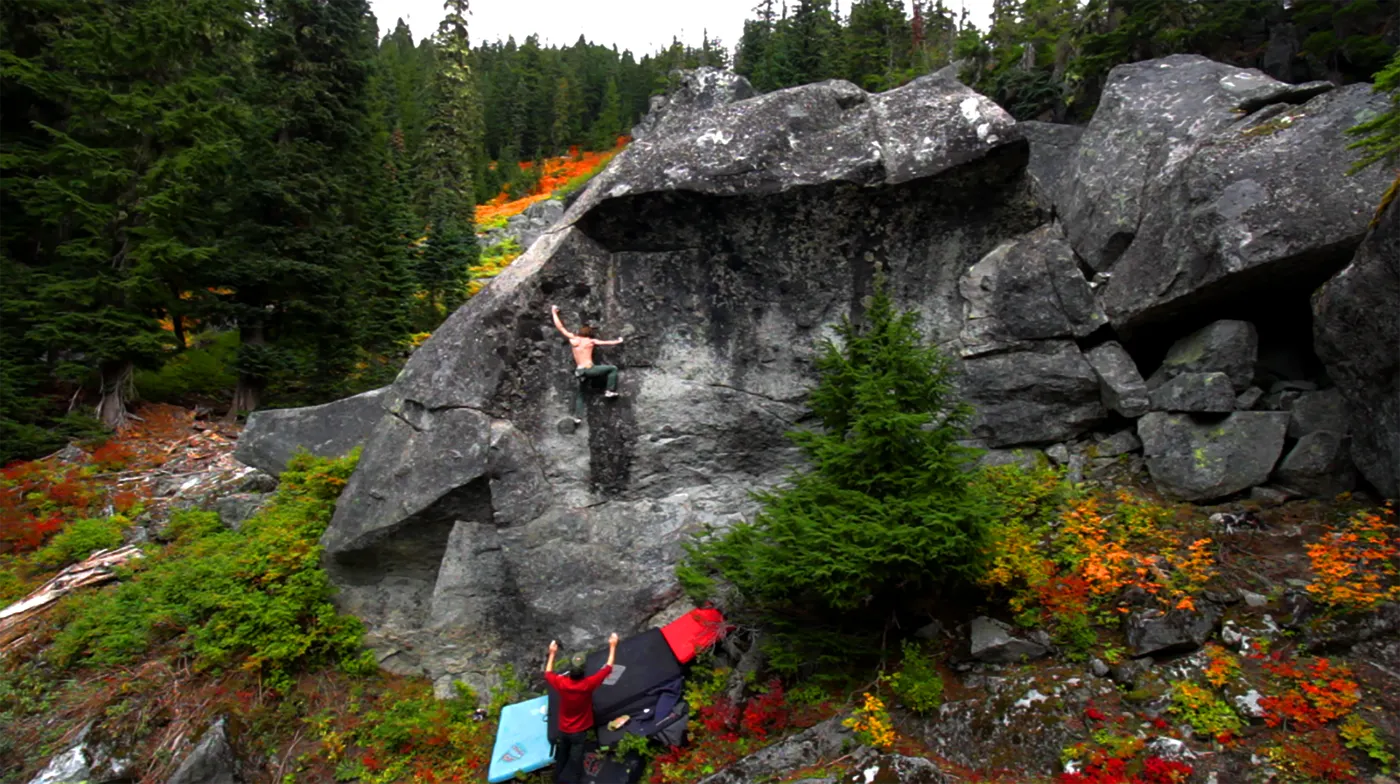
In unroped climbing, it is fair to rank the styles by height as bouldering, highballing and free solo.

Free Solo
The most dangerous style of rock climbing, in which climbers (free soloists) use no protective or aid equipment at all, only climbing shoes and a chalk bag.
Free soloing can be done on single- or multi-pitch routes and on big walls. With no protection, the climb becomes extremely sensitive to weather, rockfall and mental preparation. For these reasons it demands intense mental as well as physical preparation.
Rope Solo
Unlike free soloing, rope soloing uses all kinds of protective and aid equipment, but the climb is done alone. It can be done on single- or multi-pitch routes and on big walls. It is a complex style that requires experience.
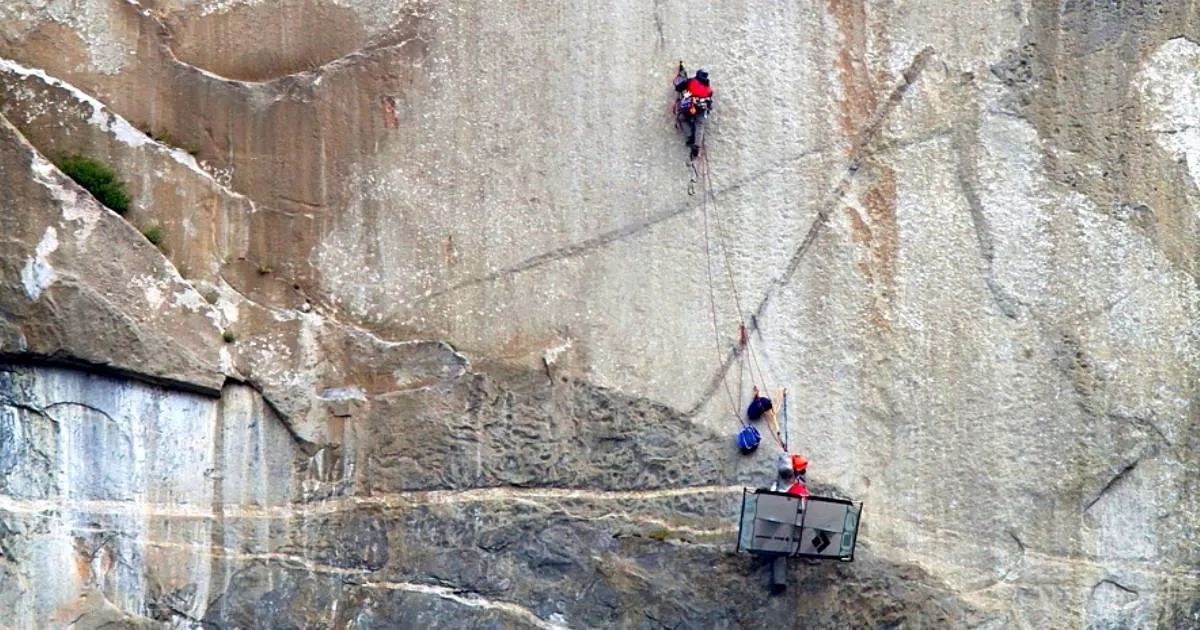
This style can be used in sport, trad or aid climbing. By its nature it requires a lot of gear and technical knowledge. After finishing a pitch, the climber must also build the top anchor and descend and climb again to collect the gear left below (on multi-pitch or big-wall climbs).
Deep Water Solo (DWS)
Deep water soloing is similar to free soloing, but it is done on sea cliffs, and if the climber fails they fall into the sea. It is also called psicobloc.

It is climbed without a rope; falling into water rather than onto land reduces the deadly risk of free soloing but does not remove it. Water depth, underwater rocks, fall height, waves and the exit from the water should be checked in advance, and a spotter or a boat should be nearby.
Today it is also practised on artificial walls. There is a competition format on walls built next to a pool or the sea, with two identical routes raced side by side.
Ice Climbing
Ice climbing is climbing on routes made only of ice, using its own special equipment. It can be done on frozen waterfalls, on ice-covered rock or on artificial ice walls. It can also be part of alpine climbing (a form of mountaineering). It can be led, using ice screws instead of bolts fixed in the rock, or top roped.
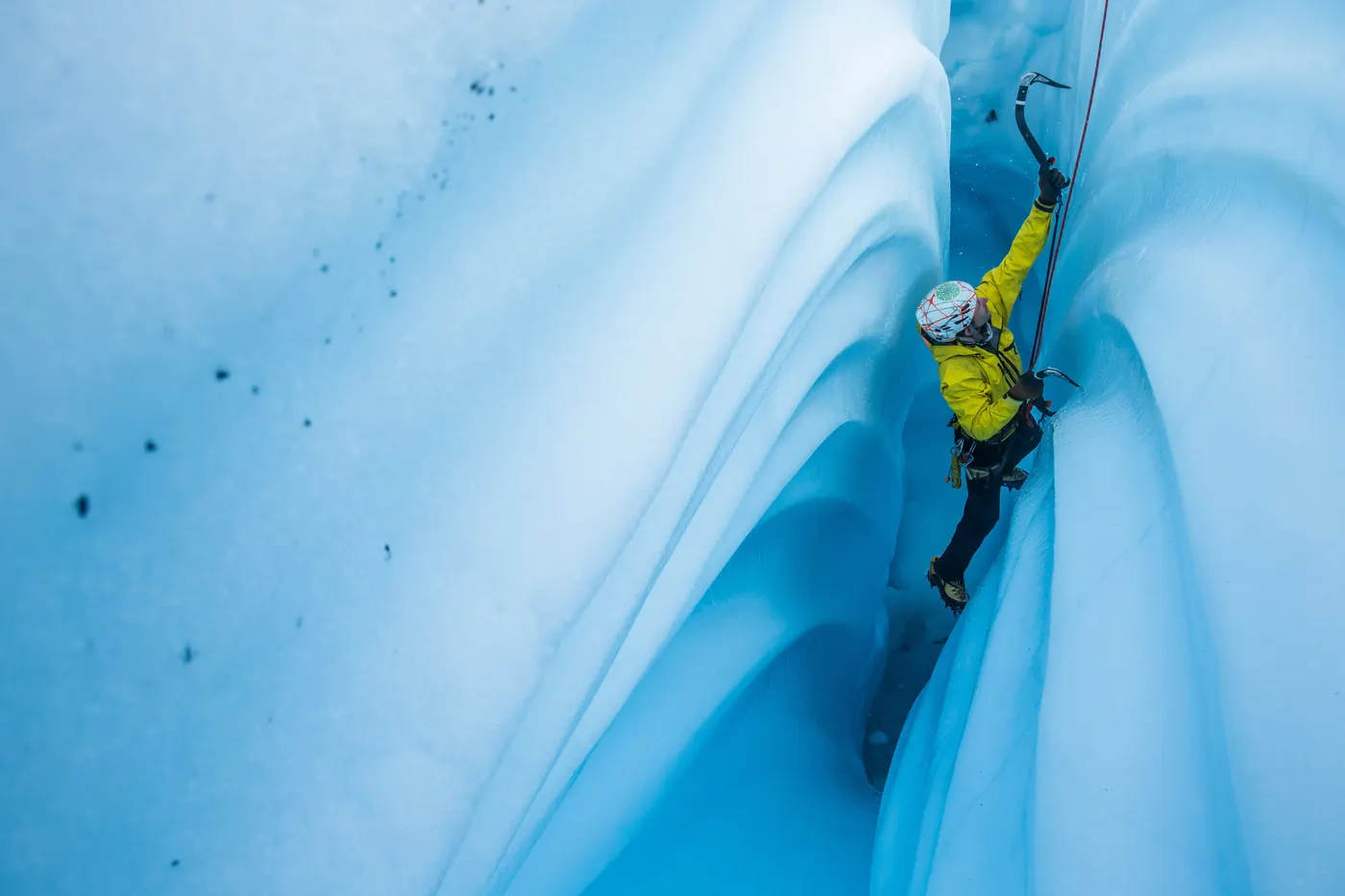
The route is protected with ice screws placed by hand by the leader. Placing the ice screws is the most important part of safety in this style, which requires training and experience.
Ice climbing competitions are held regularly in Türkiye and around the world. In Türkiye the governing federation is the TDF, and internationally the UIAA.
Mixed Climbing/Dry Tooling
Climbs where not the whole route is covered in enough ice for ice climbing, and some sections are bare, dry rock that must be passed with rock climbing techniques, are called mixed climbing. The rocky parts of the route are usually passed by dry tooling and using bolts on the rock, or with traditional protection. The alpine style of mountaineering often requires mixed climbing.
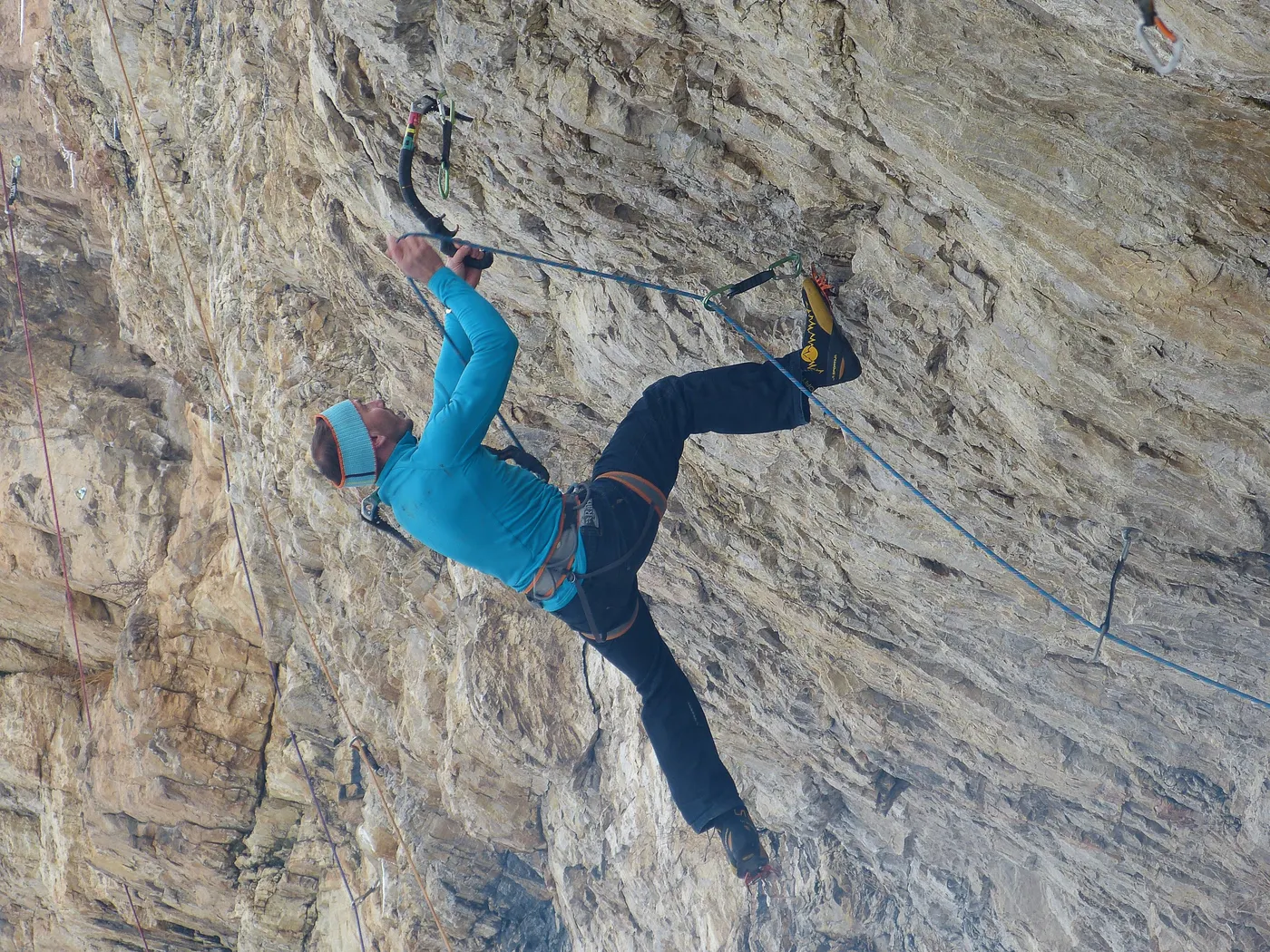
Dry tooling is the technique of climbing rock with ice axes and crampons. It is used on the rocky sections of mixed routes, and is also done on its own, entirely on rock or on artificial walls.
Single/Multi-Pitch and Big Wall Climbing
A pitch is the section climbed with one rope length between two belay stations. Single pitch means a one-pitch climb, multi-pitch a climb of several pitches.
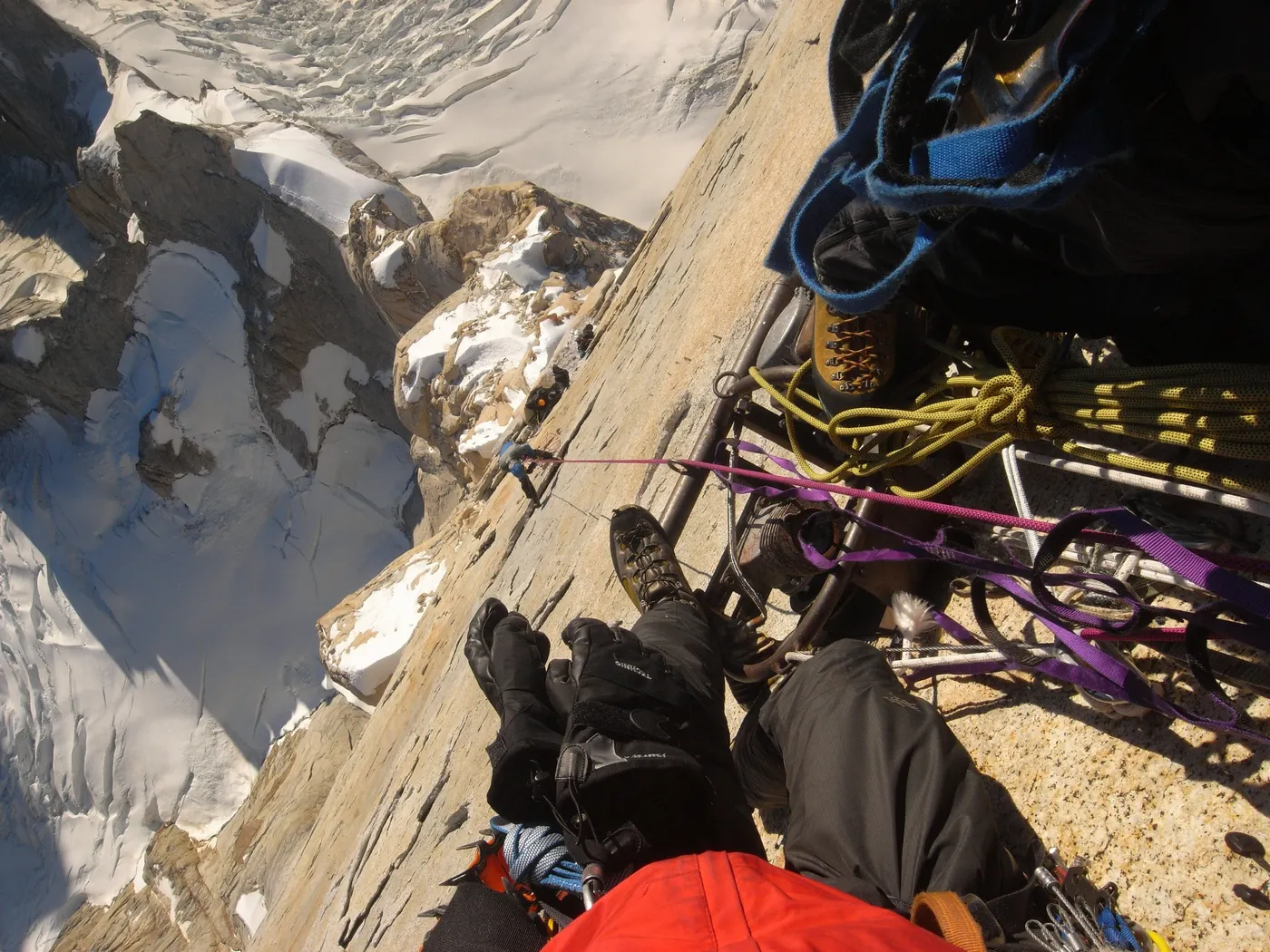
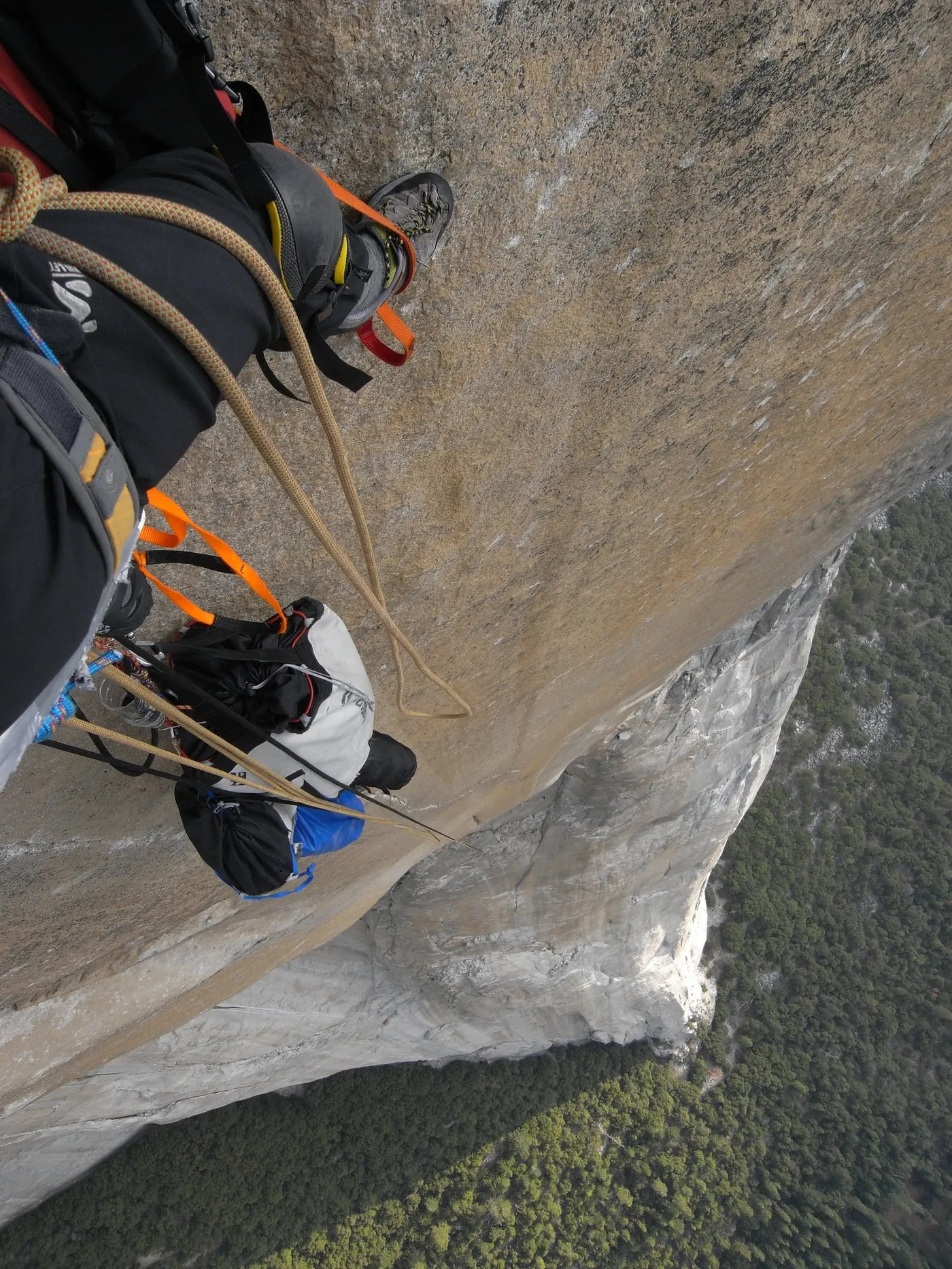
Climbs where the route is no longer than one rope length are called single-pitch climbs. Since climbing ropes are typically 30–80 metres long, the height or distance that can be climbed with one rope is shorter than that. Sometimes pitch length is set not only by the rope but by the line of the route, which may traverse or descend. In general, though, it is fair to say that routes longer than one rope length are climbed in pitches.
Single- and multi-pitch climbs can use sport, trad or aid climbing styles. Multi-pitch techniques are used especially on big walls.
In this style, changes of leader between pitches and the strength of the top anchors directly affect safety. Because building these anchors can be confusing for beginners, training and experience come first in both single- and multi-pitch climbing.
Slide Climbing
Slide climbing is a mix of climbing and hiking done mostly in the Adirondack Mountains of the north-eastern United States. A “slide” is a long strip of rock exposed when a landslide strips away the vegetation and soil. These strips are mostly slabs, less than vertical, and climbers move on foot friction and balance rather than big holds. The rock can be wet and mossy in places. It is done in climbing shoes in summer and with ice axes and crampons in winter.
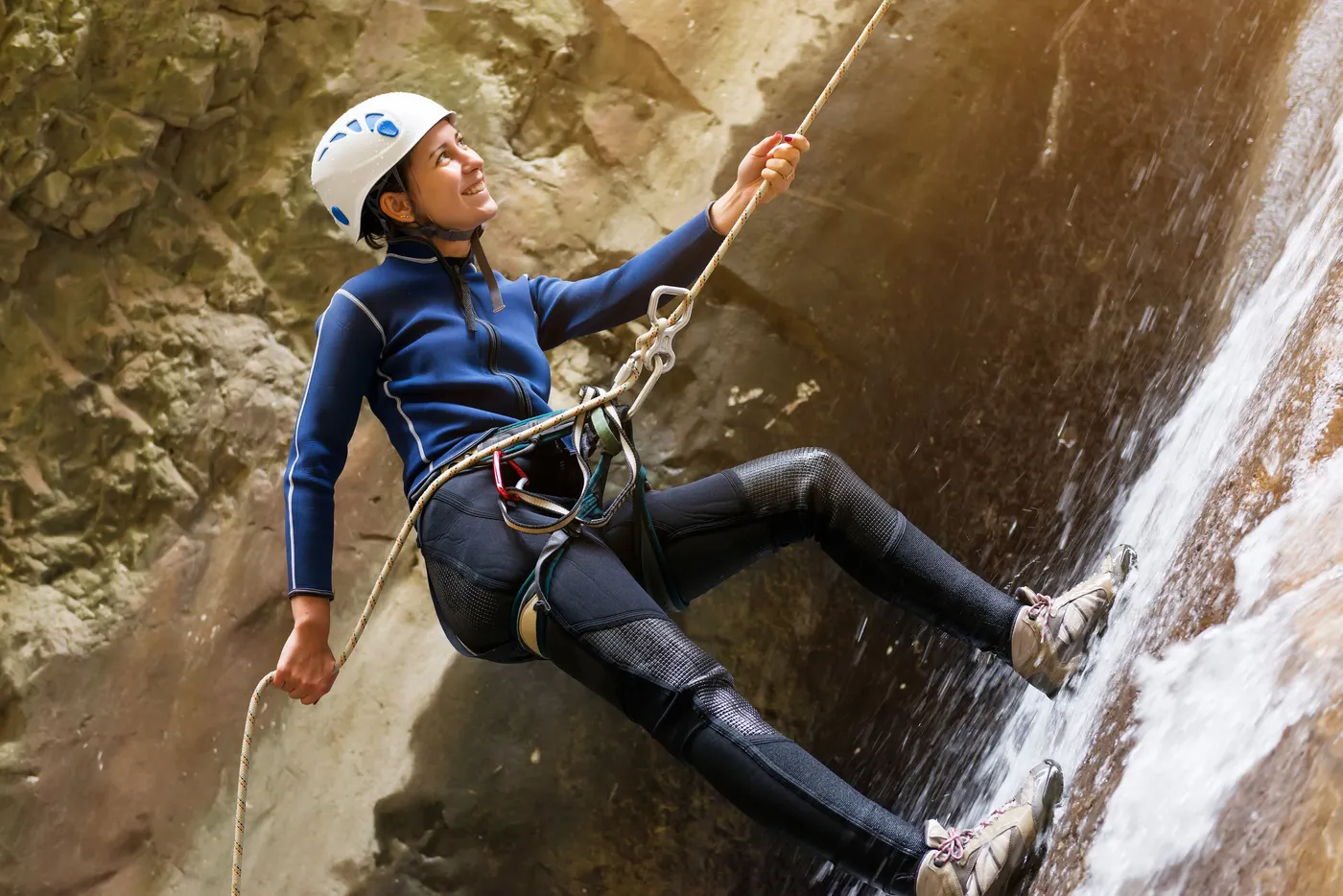
On the high peaks of the Adirondacks, aerial photos show hundreds of slide scars, some of them hundreds of metres long. Although the angle is low, there is a risk of slipping and falling on open rock, and wet or icy rock increases it.
Coasteering
Coasteering is not a type of climbing but an outdoor activity along a rocky coast that combines swimming, scrambling over rocks, short climbs and jumps into the water.
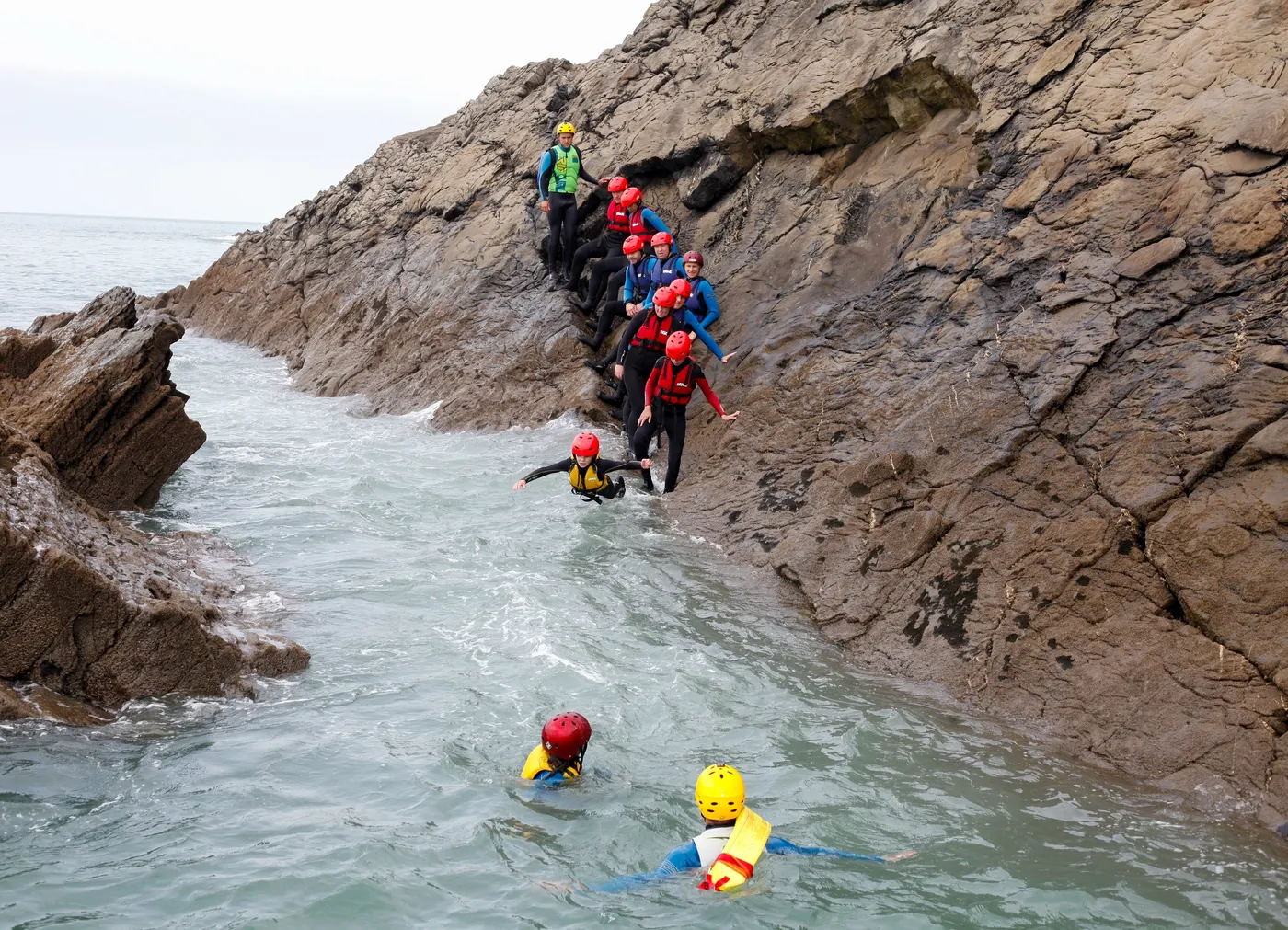
The photos and videos on this page are meant to give an idea of each style of climbing. Do not try them without completing the necessary training. Strida Spor accepts no responsibility in this regard.