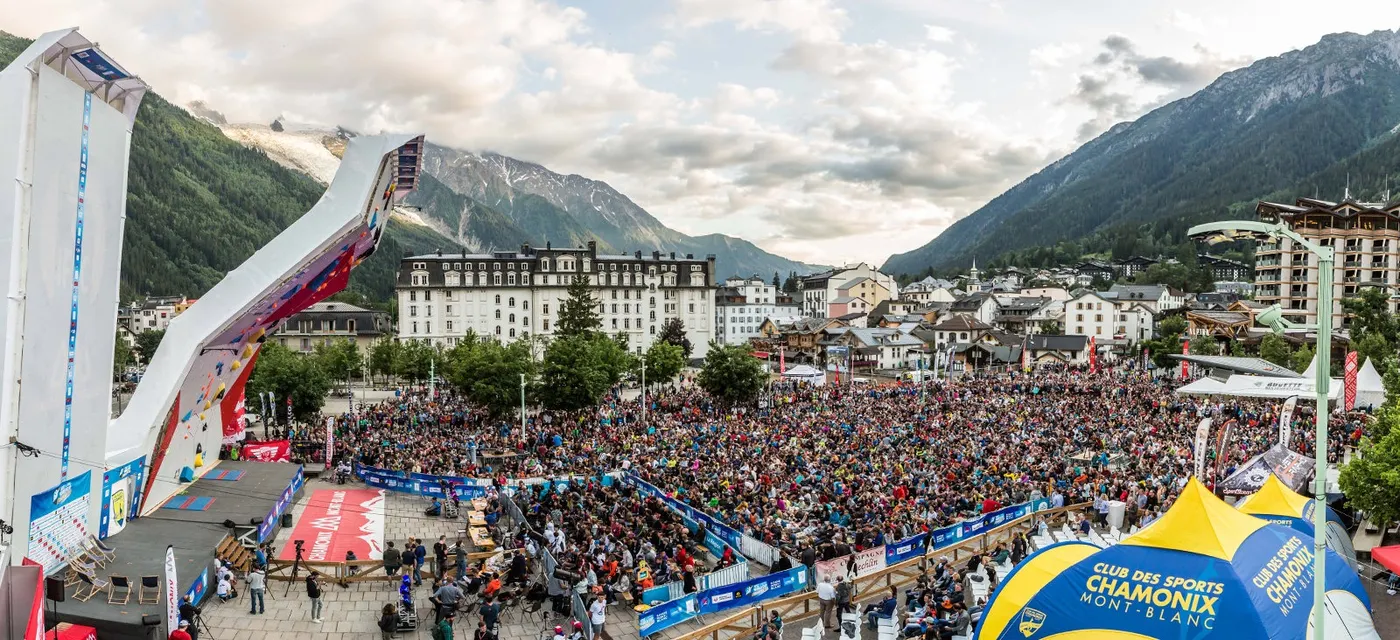
Climbing walls are built with their purpose, budget and many other criteria in mind. That is why walls of many different shapes and sizes exist in Türkiye and around the world.
The requirements a wall must meet to host competitions are set by World Climbing for international events and by the national federation (in Türkiye, the TDF) for national events. The dimensions below are taken from World Climbing’s wall requirements document for competition organisers. They apply not to every climbing gym, but to walls that will host World Climbing competitions. To host a national competition, a wall must be accredited by the national federation; to host a World Climbing event, by World Climbing. For both federations, accreditation starts at the very beginning, at the design stage.
A climbing facility does not have to have walls for all three disciplines. World Climbing competitions, however, require a warm-up wall in the athletes’ isolation zone (see “Warm-up wall” below).
Lead wall
For World Climbing competitions,
a Lead wall must have:
- a height of at least 15 metres, and a width of at least 3 metres per route;
- a width of 12–15 metres (for up to 4 routes);
- wall angles between 15 and 60 degrees;
- a top that overhangs the base by about 8–9 metres on average;
- an orientation that keeps it out of direct sunlight;
- and compliance with EN 12572-1.
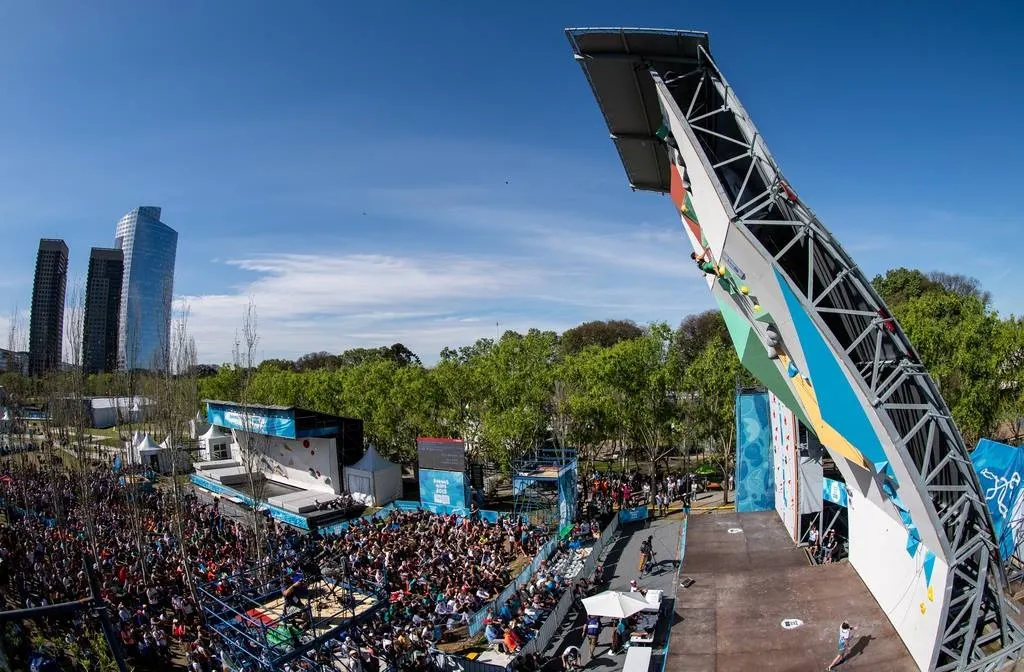
In Türkiye, under the TDF’s national rulebook, a lead wall must be at least 12 metres high to host lead competitions. This applies only to TDF national competitions; World Climbing competitions require 15 metres.
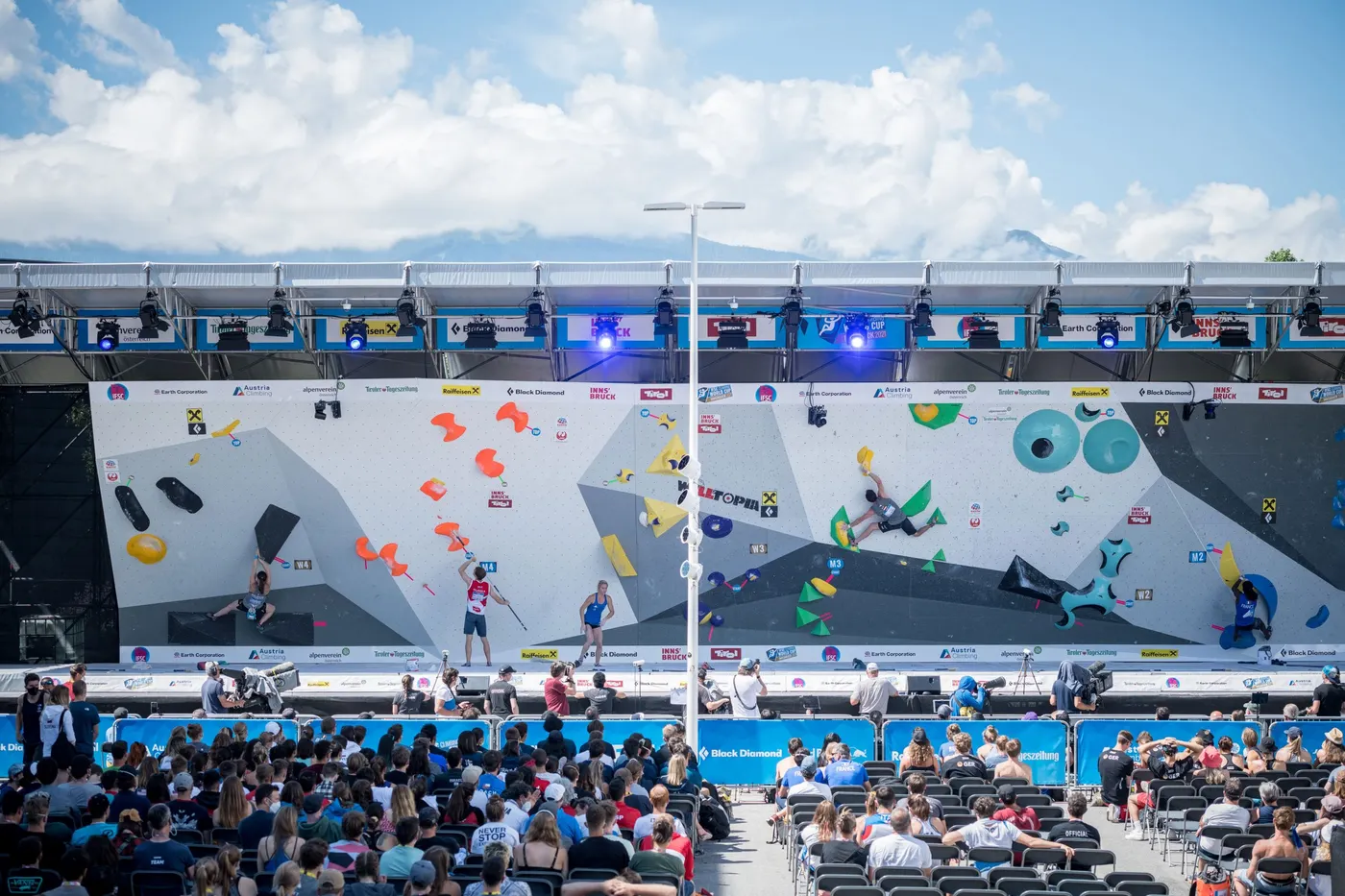
Boulder wall
A Boulder wall must have:
- a maximum route height of 4.5 metres, measured from the surface of the crash mat to the TOP and based on EN 12572-2 (the wall itself may rise to 5 metres for appearance);
- a width of 30 metres (for up to 10 routes);
- 4–5 different profiles with angles between −5 and 45 degrees;
- crash mats about 40 cm thick, extending at least 1.5 metres beyond the sides of the wall and at least 2.5 metres back from its most overhanging point;
- T-nuts only in overhanging areas;
- an orientation that keeps it out of direct sunlight;
- and compliance with EN 12572-2.
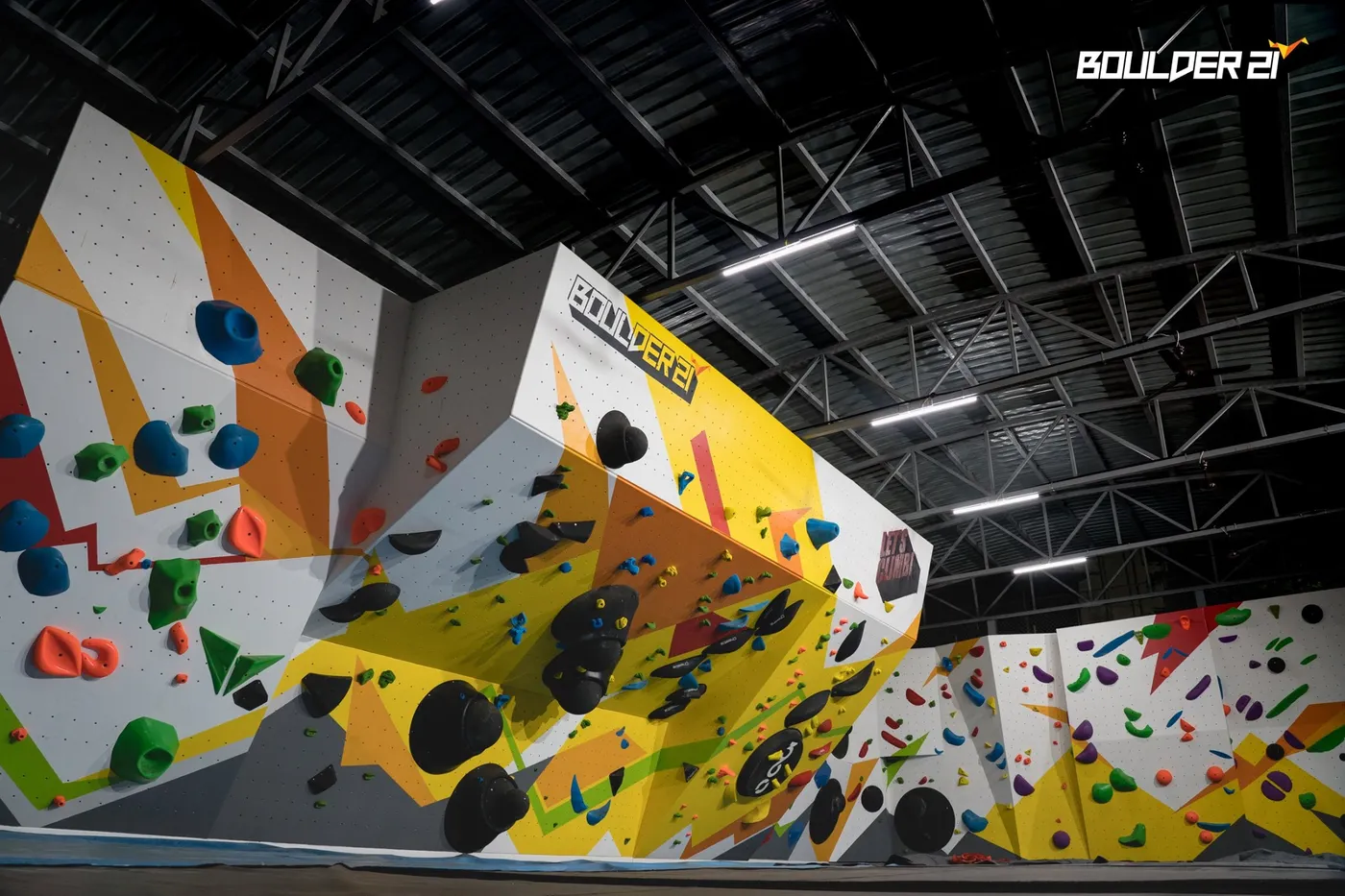
In Türkiye, under the TDF’s national rulebook, a boulder wall must be wide enough for at least 5 routes to host boulder competitions.
Speed wall
A Speed wall must have:
- a height of 15 metres, measured from 20 cm above the floor;
- a width of 6 metres for a two-lane wall (3 metres per lane); since 2026 four-lane walls have also been used at some World Climbing events;
- a wall angle of 5 degrees;
- T-nuts only in overhanging areas;
- an orientation that keeps it out of direct sunlight;
- and compliance with EN 12572-1.
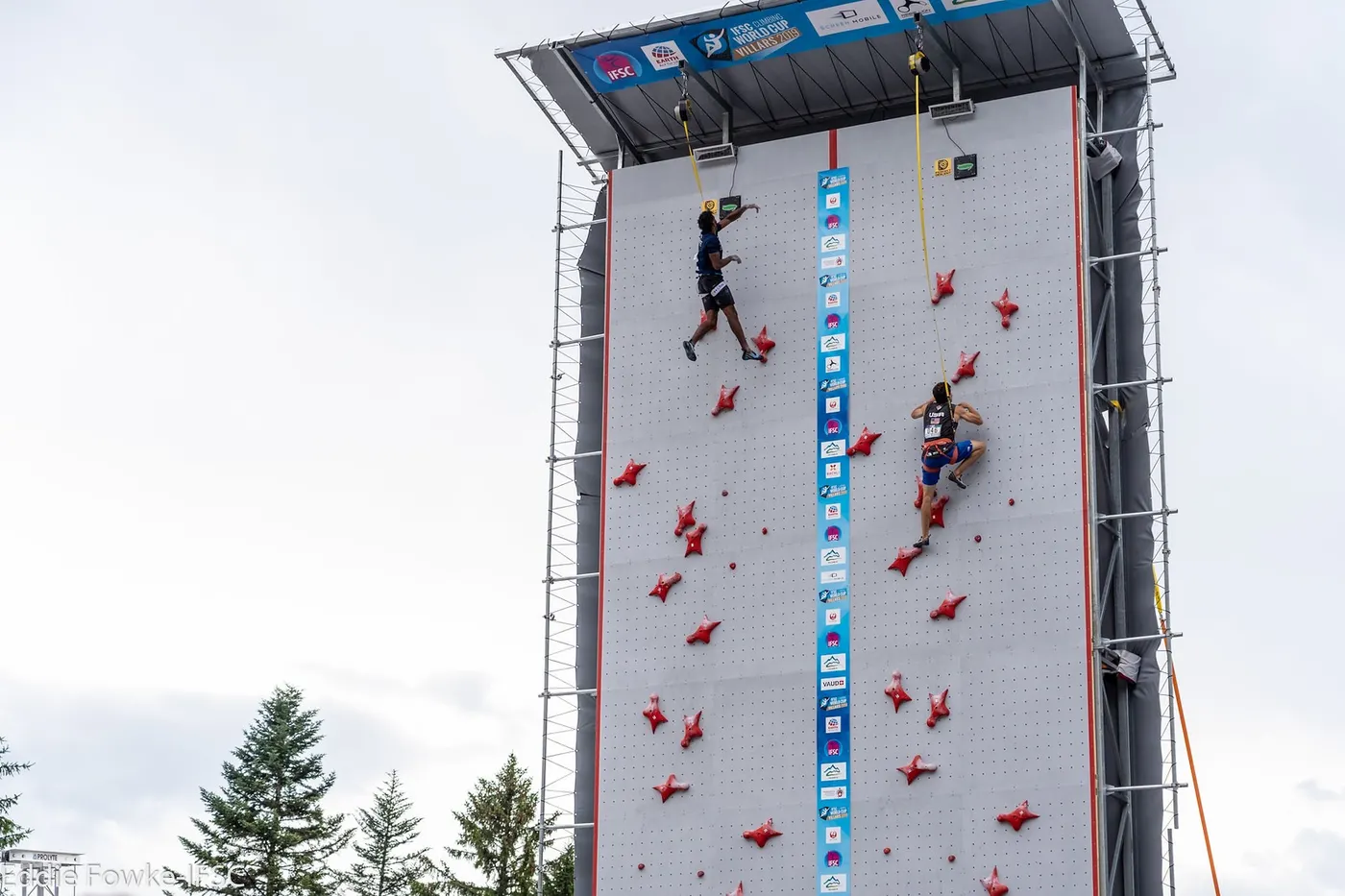
In Türkiye, the TDF’s national rulebook adds to the World Climbing standards that the two speed routes may be on separate walls, but the distance between them can never be more than 1 metre.
Speed walls are built to an international standard. The whole wall surface and the holds must be identical, and the holds are also mounted at standard angles.
Warm-up wall
At World Climbing competitions, the warm-up wall in the isolation zone must have:
- a height of 3–4.5 metres above the crash mat;
- a width of at least 15 metres, depending on the competition format and the number of athletes;
- 4–5 different wall profiles;
- crash mats on the floor;
- an orientation that keeps it out of direct sunlight;
- and compliance with EN 12572-2.

For more detailed information about climbing walls:
Examples of World Climbing walls