
Compared with other sports (especially triathlon), sport climbing is relatively low-cost. In triathlon, for example, much of the cost is carried by race organisers, whereas in sport climbing most of it is carried by the public bodies and organisations that own the facilities, since facilities are the biggest expense, and that is in the nature of the sport.
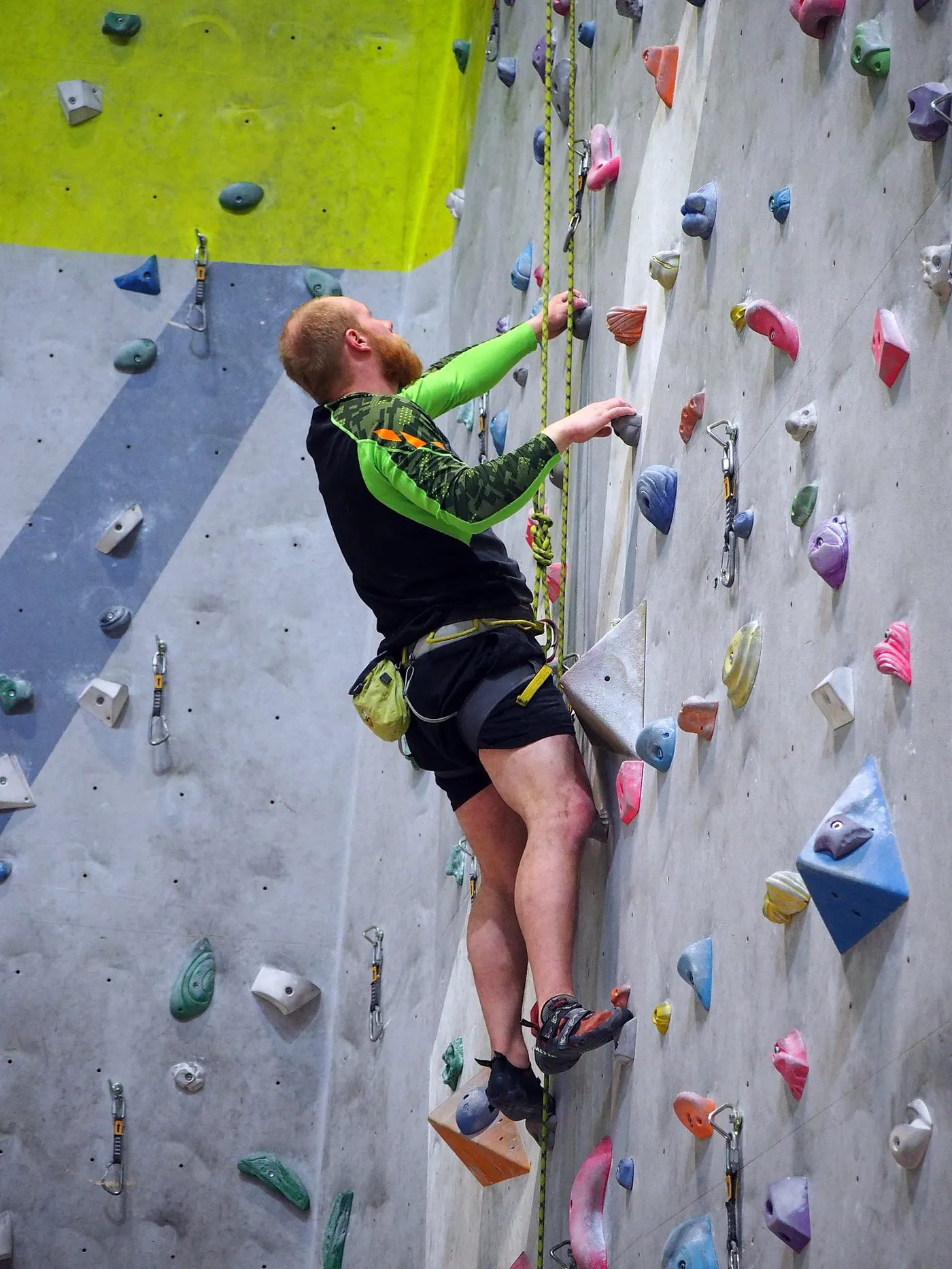
Of the three sports we cover at Strida Spor, sport climbing is definitely the cheapest. You can go to a climbing gym the way you would go to a fitness gym and start climbing. Let us explain how.
First of all, before you do anything, I strongly recommend reading our Safety Tips. Coming from a mountaineering background, there is a saying I always repeat, almost like a slogan: “Mountaineering is a dangerous sport. It is no joke.” Take out mountaineering and put in climbing. If the necessary precautions are not taken, or if it is taken lightly, climbing can very quickly become dangerous. The biggest danger in climbing is falling, that’s true, but many other dangers come with it. Safety isn’t our topic here, but all the gear and accessories you buy are, at some point, linked to safety. That is why I wanted to point this out from the start. You may have the strongest harness, the strongest rope and carabiner, but the smallest mistake in using them can cost you a finger or cause an injury.
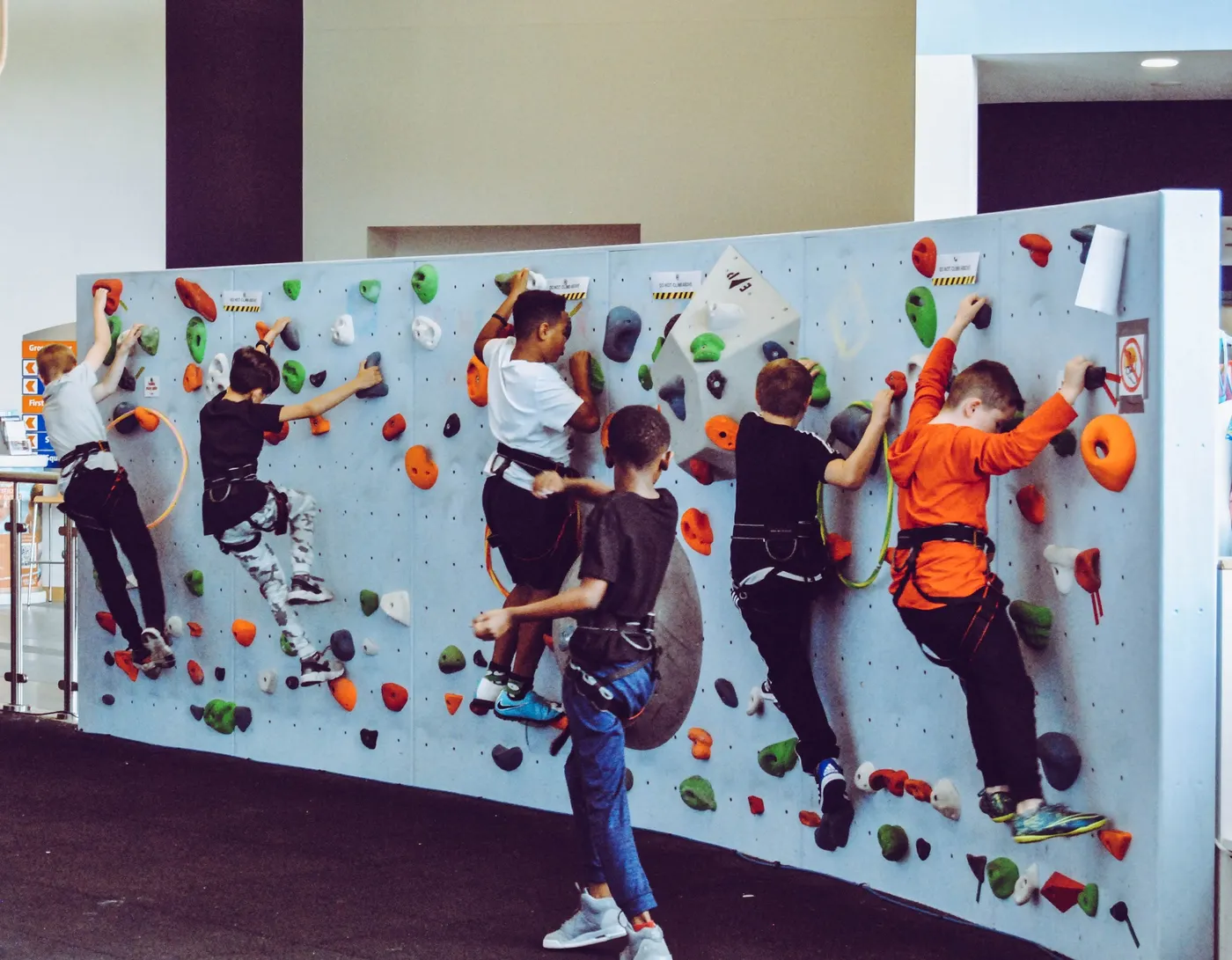
First step: get to know a club
So, when you decide to start or try sport climbing, the first thing to do is to contact the sport climbing clubs where you live and ask about climbing courses.
In Türkiye, if you can’t find a club in your province (many provinces now have active mountaineering or sport climbing clubs), you can use this list of the Turkish Mountaineering Federation’s provincial representatives to get information about clubs or coaches in your area. You can also follow the courses the federation announces on its website, apply, and take its two-level sport climbing courses. Outside Türkiye, your national climbing or mountaineering federation is the best place to ask. The starter gear I describe below is exactly what you need for these courses. Before you go on, I recommend looking at our Sport Climbing Gear and Accessories page.
If you are lucky and find a suitable club, you can borrow gear from the club at first and avoid any extra cost while you try the sport. If you are not that lucky, or you say “I’ll buy my own, thanks”, my advice is still to know that you don’t need to have everything at the start.
Basic gear list
You can read in detail what sport climbing is, and that it takes place on artificial walls, under the Climbing section of our site. In short, sport climbing is an Olympic sport practised in the Lead, Boulder and Speed disciplines on artificial climbing walls. For sport climbing we need:
- Climbing shoes
- A belay and rappel device
- Carabiners
- A harness
- A chalk bag and chalk
What should you buy first?
Let me say this right away: you don’t need to buy all of this when you are just starting. Your club or coach will provide some of it, and you will find some at the climbing gym. When I started mountaineering I had no gear at all. For a while I took part in activities using equipment borrowed entirely from friends and my club. So relax, and don’t be shy about it.
From this point of view, I think the right move is to start by buying gear with personal hygiene in mind. Looking at the list again, climbing shoes stand out as directly linked to hygiene. Climbing shoes are worn barefoot, so it matters for hygiene that everyone has their own pair. Of course there is nothing wrong with wearing rented or club shoes with thin socks. After all, you have just started, and although I am sure you will love it, there is a chance you won’t do it again. Everyone started this way, so there is no need to be shy; be comfortable being different.
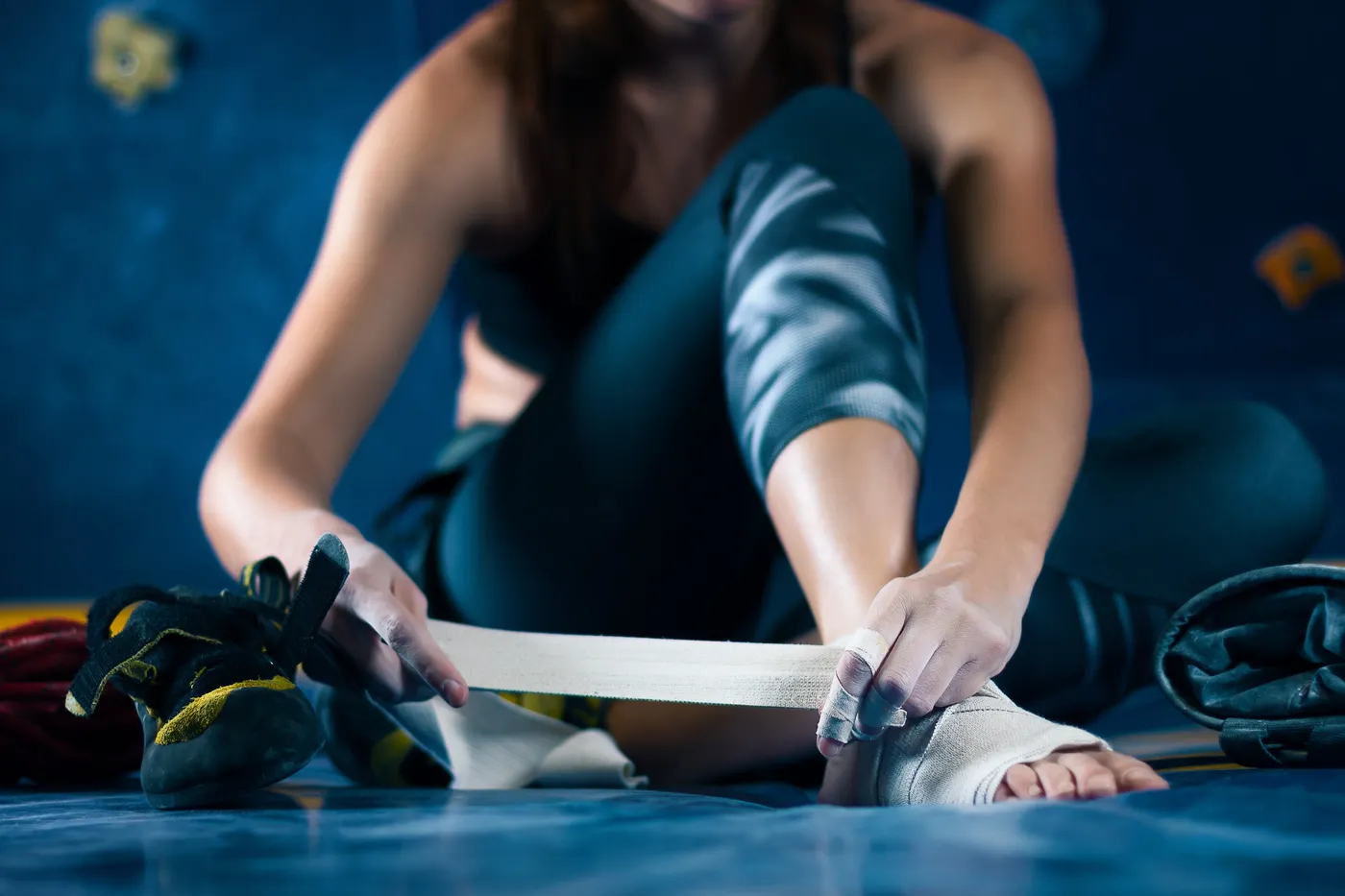
Right after climbing shoes, since I always use my own belay and rappel device, I recommend putting that next on your list. It is best to use your own equipment rather than relying too much on belay devices and carabiners from clubs (I am not saying they are unreliable; some clubs are very careful about this). Although it is a much-debated and unproven topic in the climbing world, it is accepted that these sensitive items can suffer micro-damage (invisible to the eye) during big falls. So I recommend not trusting shared belay devices and carabiners whose history you don’t know. If I had to rank priorities, this would be my number two.
After that, the order could be: accessory cord and slings (not always needed in sport climbing), a harness, a chalk bag, chalk, a brush and, at more advanced levels, a set of quickdraws and a climbing rope. This list is very personal, so don’t hesitate to make your own list and order based on your circumstances and means.
What to look for when choosing gear
So how do we choose these items? Search online today and it is hard not to get lost among dozens of options; we can rightly end up undecided between this one and that one. Whatever you buy, keep this in mind: after you have gained some experience and talked to other climbers, you will certainly think “I wish I had bought that one”. So try to buy gear that meets your needs until you gain experience, without overspending. And be sure that even products you buy without much knowledge (as long as they meet safety standards) will serve you well for a long time.
My aim in writing this is simply to remind you of the most basic points to watch when buying gear or borrowing it from your club. (I say this as someone who has had bad experiences.) Please check that all the equipment you use for climbing carries the UIAA mark, and for unmarked products check the safety standard numbers on them. That way you won’t unknowingly use a product that is not suitable for climbing or was not made for it. Also read the safety information in the manufacturers’ user manuals and follow it.
Climbing shoes
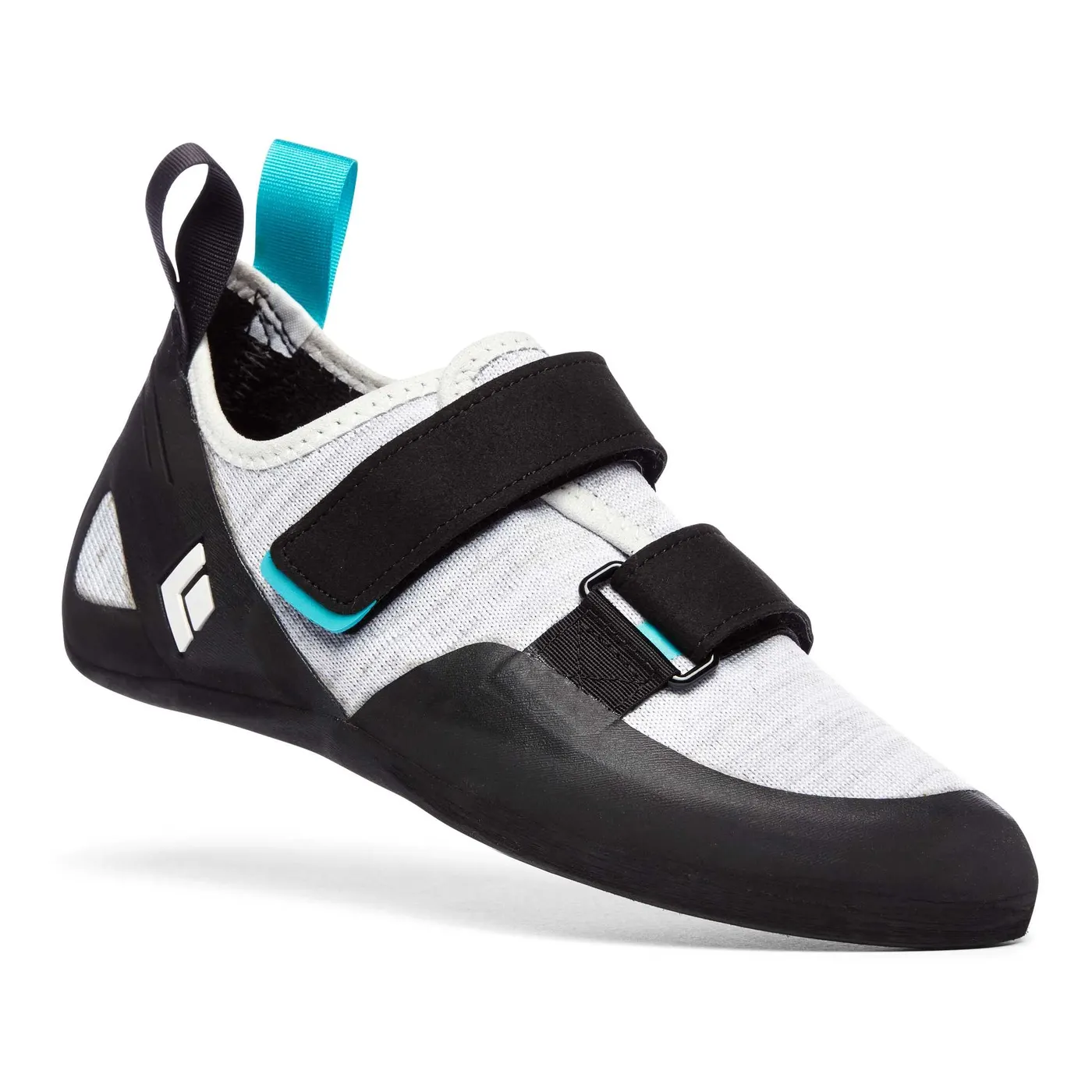
When choosing climbing shoes, you are lucky if you can try them on. If buying online is your only option, call the company for advice and tell them you are a beginner; they will want to help. When trying shoes bought online, try them on a carpet with thin socks, in case you need to return them; otherwise your return may be refused. Climbing shoes are stiff-soled and tightly shaped, so your feet will not be comfortable in them at all. For a start, I recommend a flat-soled, symmetrical climbing shoe. These suit beginners better and are also the most comfortable models. As you progress (and become more serious), climbing shoes become more asymmetrical with more aggressive soles (the shoe curves downwards). A flat-profile climbing shoe will meet your needs, believe me. One more thing about shoes at the start: Velcro shoes can be more practical, because they are easy to take on and off when you move between routes or leave the gym to use the toilet.
Belay and rappel device
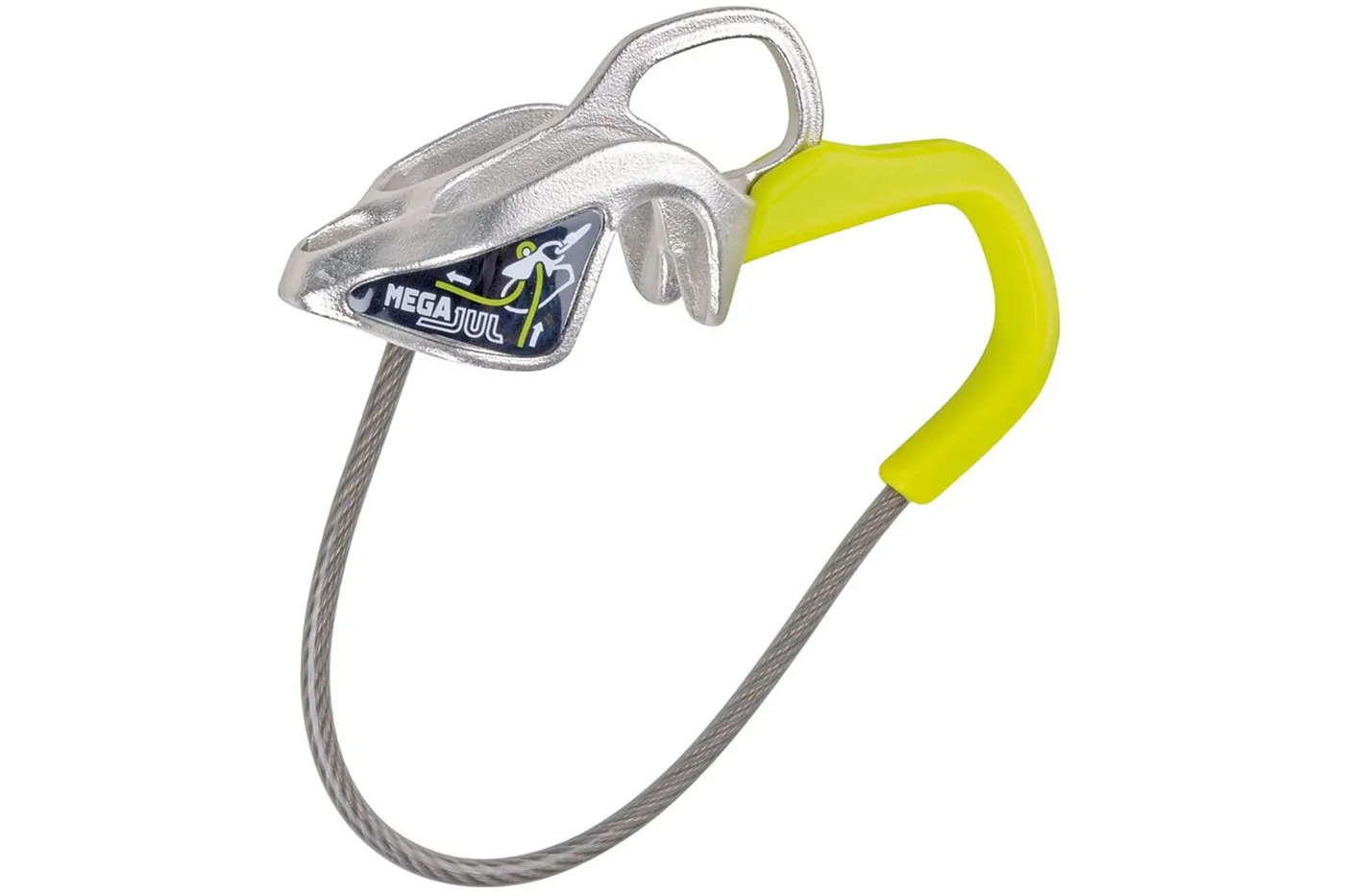
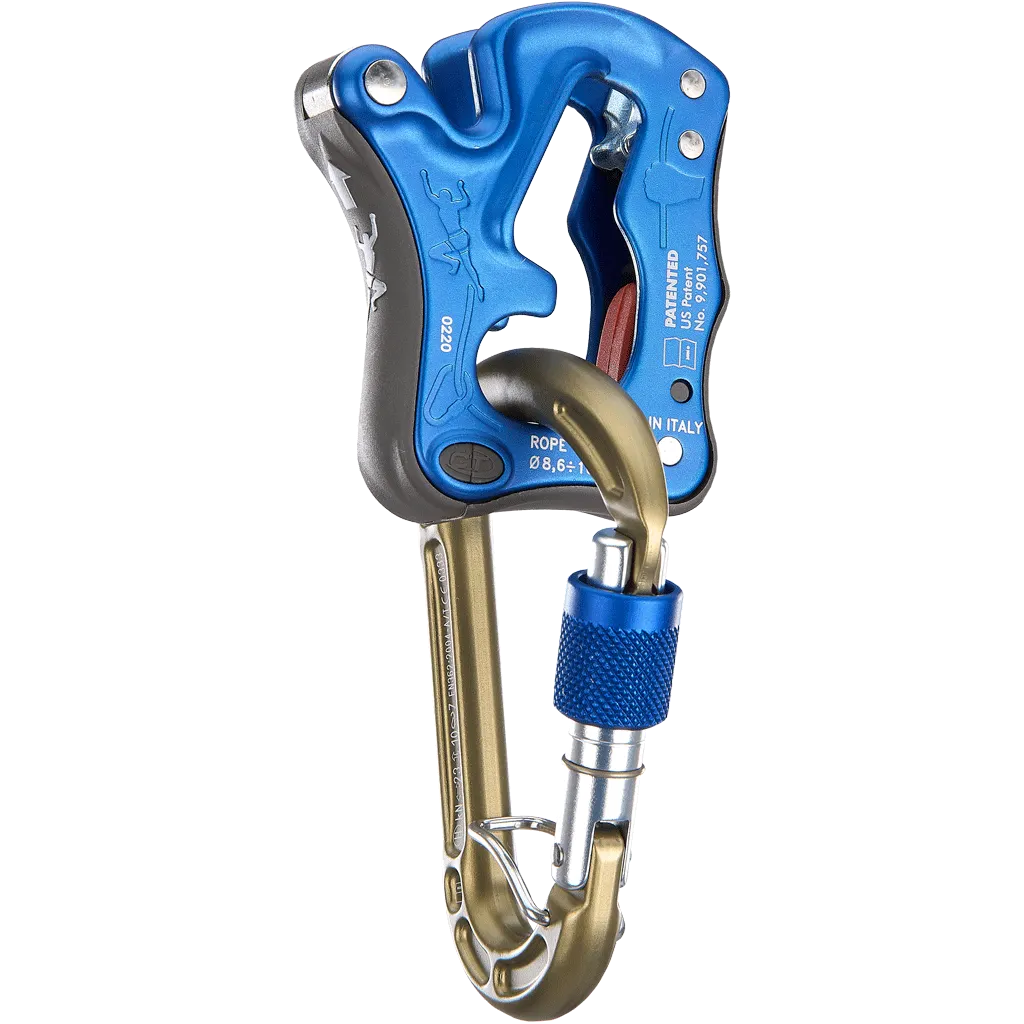
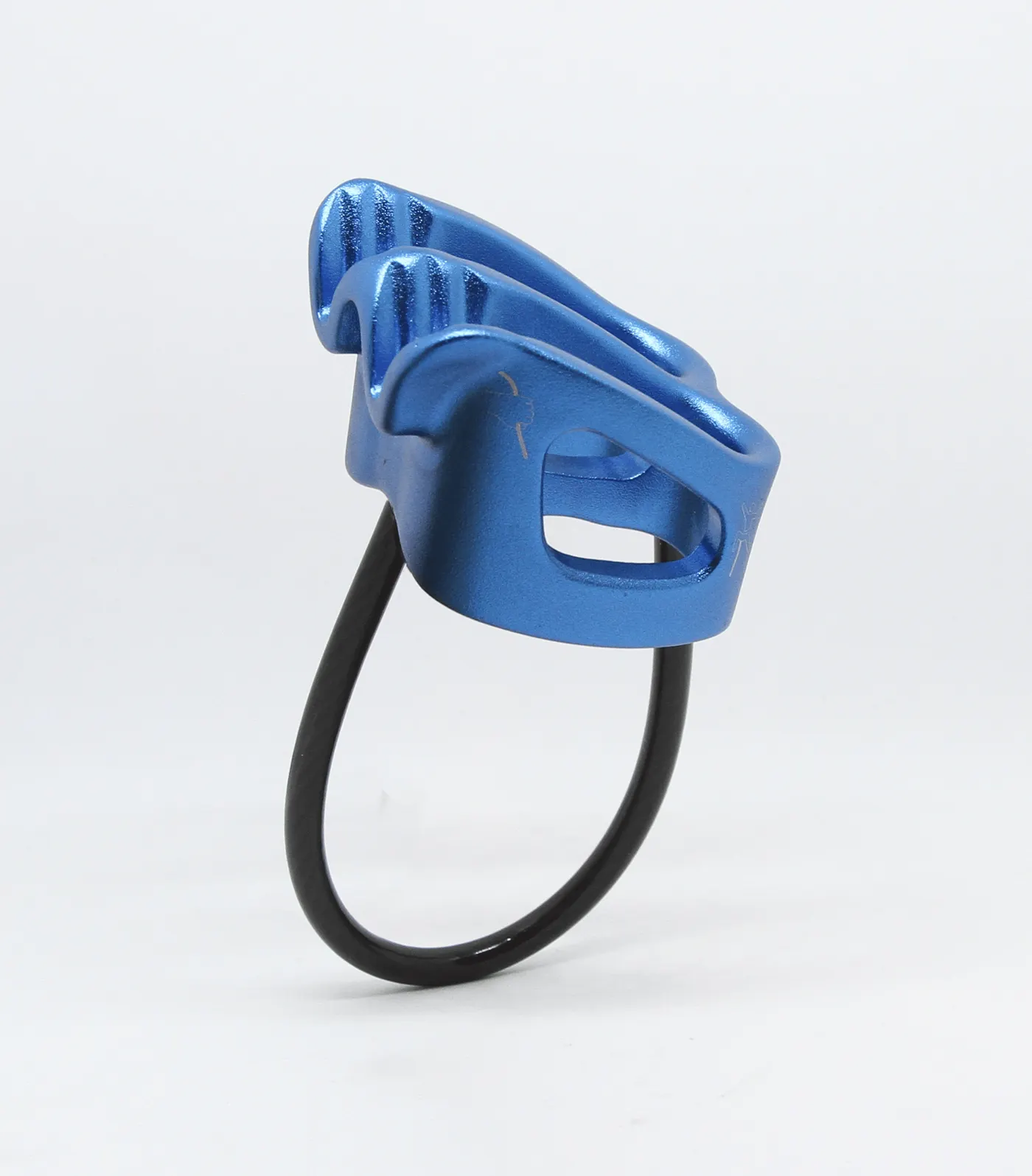
The world of belay and rappel devices offers an incredible number of options. At first, my advice is to choose a device without moving parts that you can use in different types of climbing, ideally one suitable for two ropes. Devices with mechanisms need experience; accidents involving untrained or inexperienced climbers using them are known. These products are known as tubular or assisted tubular devices. Almost all belay devices work by pinching the climbing rope between the carabiner or the mechanism.
But the most important rule is that your back hand (your brake hand) must always stay in the braking position (in front of your body and beside or near the device). Whatever device you use, the single most important habit that prevents accidents is keeping the rope beside your leg with your brake hand.
Carabiners
For carabiners, owning two pear-shaped carabiners, better known as HMS carabiners, is enough at first (to use with your belay device). If you prefer, there are also carabiners designed especially for belay devices; have a look at those too. One point I want to highlight is that some manufacturers recommend specific carabiners for their belay devices. A carabiner that is compatible with your device can give extra peace of mind; you can find detailed information on the manufacturers’ websites.
Harness
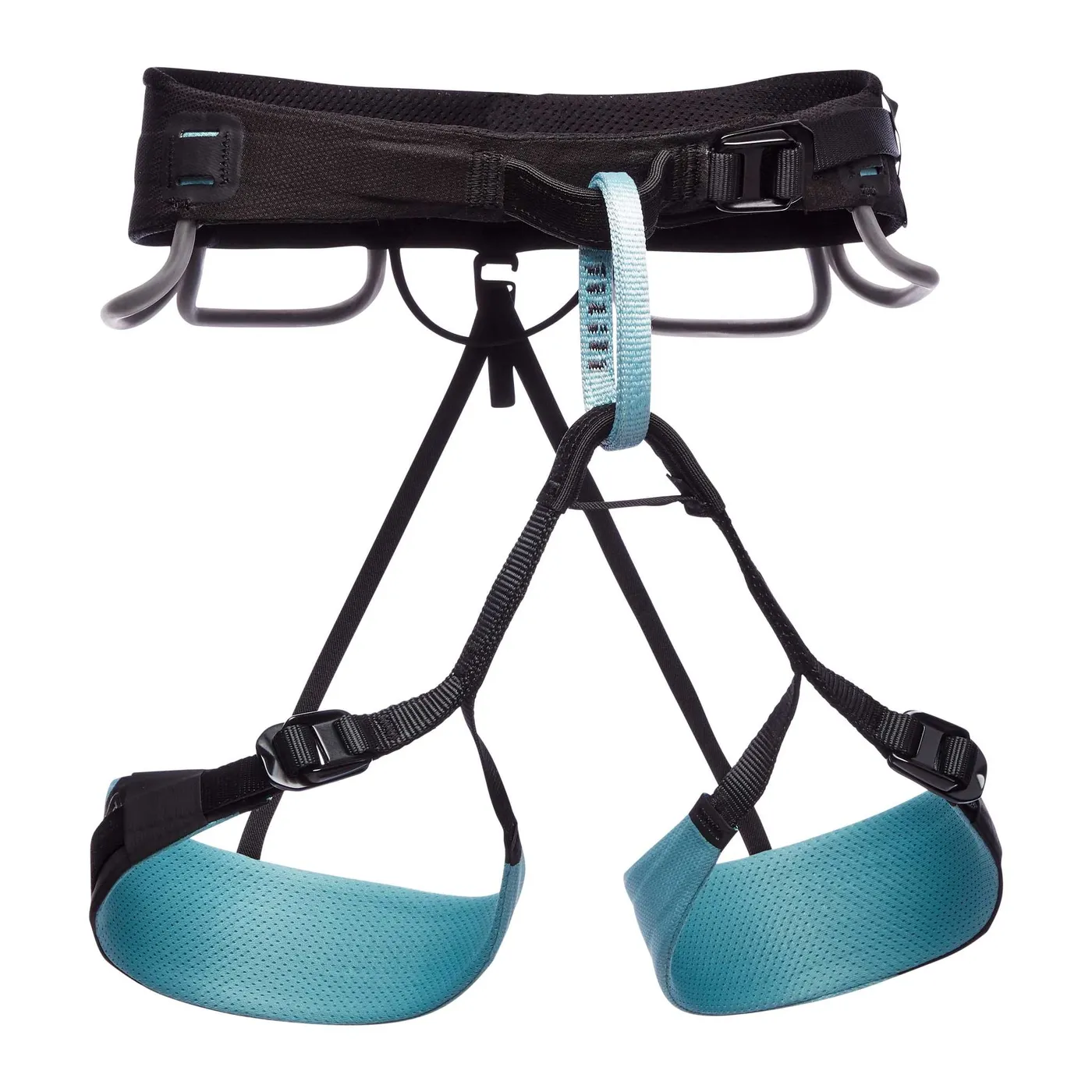
The harness may be the item you need to worry about least when starting. Once you have found one that fits you properly and checked that it is undamaged, you can use it with confidence. You need to check in particular that the belay loop and the tie-in points are undamaged (especially if you borrow it from a friend or a club). Of course, a sit harness can feel frightening at first for small children and people afraid of heights. For them you can add a chest harness to the sit harness, or let them climb in a full-body harness until they feel comfortable.
Chalk bag
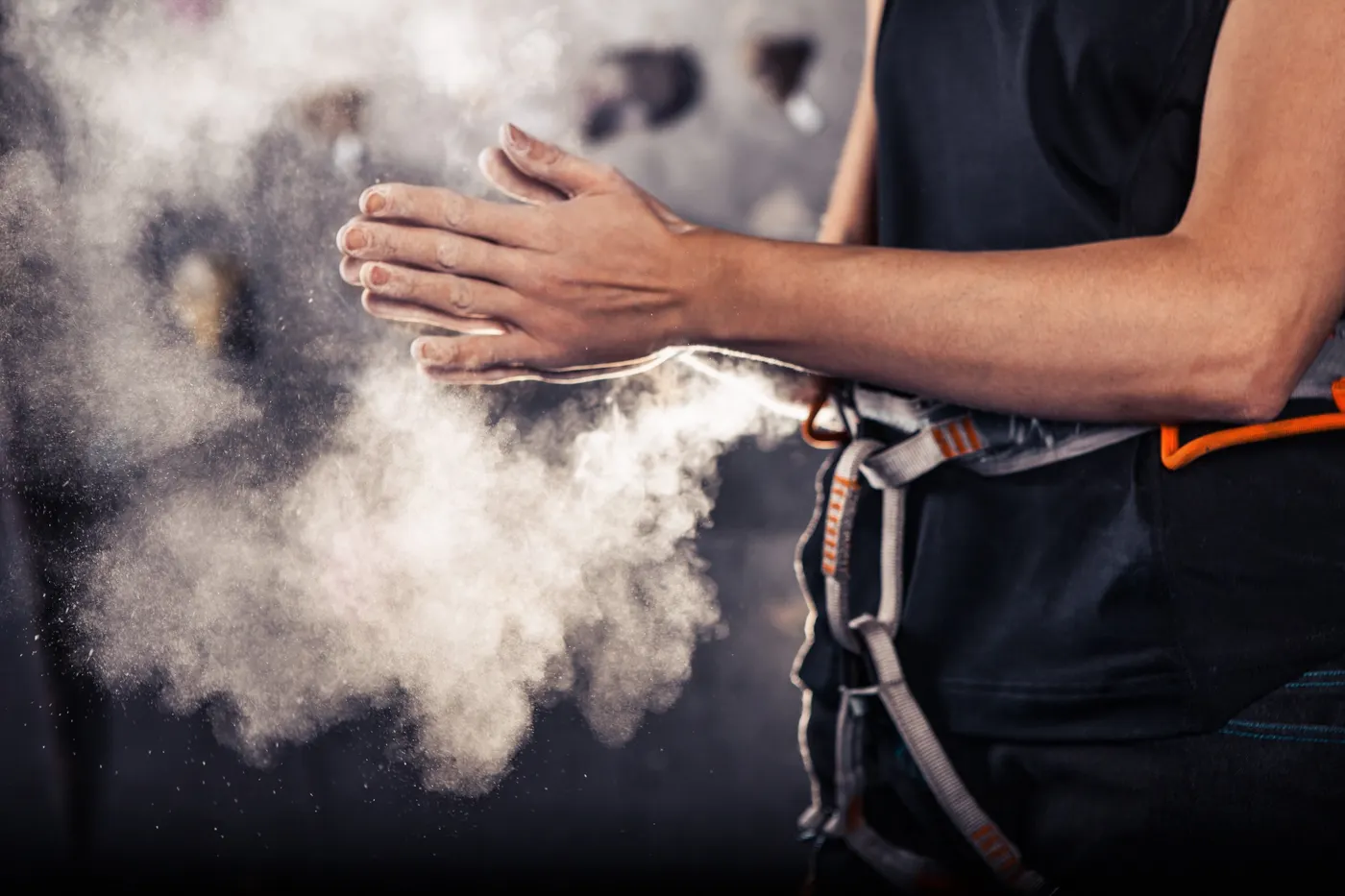
Finally, you can choose any chalk bag you like. Climbers usually wear it on a separate belt, so they can take it off easily and move it around when needed. Chalk is also a varied field, but for a start any chalk on the market will do.
If you want to learn more about sport climbing gear and accessories, with product photos and videos, please see our gear and accessories page. Climb safe.