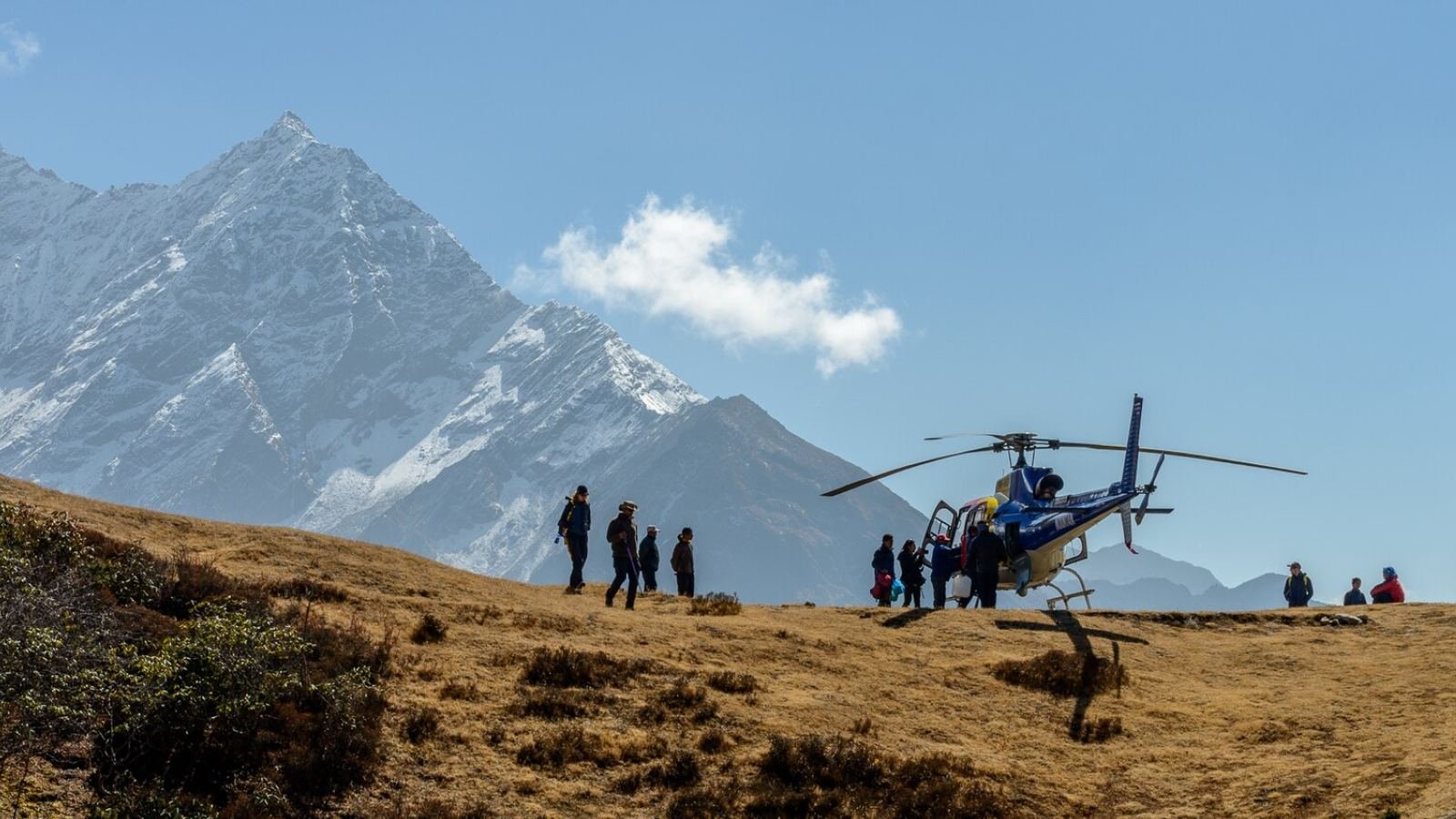
One morning at high camp, your teammate stumbles while tying their boots outside the tent and says, “I’m fine, just didn’t sleep.” This page is written so that you can recognise what might lie behind that sentence.
Altitude illnesses are conditions that appear when the body fails to adapt to a new height. Most are mild and pass once you stop going higher. But two severe forms, high-altitude pulmonary oedema (HAPE) and high-altitude cerebral oedema (HACE), can become life-threatening within hours. This page is not a guide to diagnosis or treatment; its aim is to help you recognise the symptoms and decide to descend at the right moment. Everyone who goes to the mountains should take a first aid or wilderness first aid course.
Acute mountain sickness usually appears when sleeping above this height.
Source: CDC, WMSDescending at least this far often improves AMS symptoms quickly.
Source: CDCCerebral oedema is rare below this height, but no altitude is a guarantee.
Source: WMSAcute mountain sickness (AMS)
A hangover-like headache, no appetite, a tiredness that will not go away. This is altitude’s most common “hello”, and it usually arrives on the first night.
It is the most common altitude illness. It usually appears when sleeping above 2,500 metres; some people get it lower. It starts a few hours after reaching a new height, often on the first night.
Symptoms: the main symptom is headache, plus at least one of the following:
- Loss of appetite, nausea or vomiting
- Unusual tiredness and weakness
- Dizziness or light-headedness
It feels like a hangover. Fever, muscle aches or a runny nose are usually absent; if present, another cause such as a cold should be considered. Still, the mountain rule is simple: if you feel unwell at altitude, it is the altitude until proven otherwise.
Course: with rest and no further ascent, AMS usually clears within a day or two. Descending at least 300 metres often brings quick improvement. Symptoms that start after several trouble-free days at the same height point to another problem rather than AMS.
High-altitude pulmonary oedema (HAPE)
Yesterday the strongest member of the group was out in front; today they are falling behind everyone with a dry cough. It is easy to say “they’re out of shape”, but this picture can be a warning.
Excessive narrowing of the small blood vessels in the lungs causes fluid to leak into the lung tissue. It can develop without AMS. It usually starts within the first few days after reaching a new height; cold and heavy exertion raise the risk. If not recognised early, it can kill even faster than HACE.
- Early signs: breathlessness on exertion that is clearly worse than your companions’, a sudden drop in performance (“starting to fall behind”), a dry cough, chest tightness.
- Danger signs: breathlessness that does not go away at rest, breathing that gets worse when lying down, wheezing or “gurgling” breathing, pink frothy or bloody sputum, blue lips and nails, a fast pulse.
In HAPE, blood oxygen can drop very low and the person may also show brain symptoms such as confusion or drowsiness. That is why HAPE and HACE can be confused; they can also occur together. In both cases the answer is the same: descend immediately.
High-altitude cerebral oedema (HACE)
Can you walk heel to toe along a straight line? At the seaside it is a children’s game; at high camp it is a life-saving test.
It is considered the most severe end of AMS. It usually develops on top of worsening AMS and is rare below 4,300 metres. Untreated, it can lead to loss of consciousness and death within a day.
- Loss of balance: walking as if drunk, being unable to walk heel to toe in a straight line, stumbling. This is the most important early sign of HACE.
- Changes in consciousness and behaviour: confusion, talking nonsense, excessive sleepiness, apathy or unusual behaviour.
- Severe headache and vomiting: often present, but on their own they do not mean HACE.
A person with HACE is often unaware of their condition and says “I’m fine”. The decision falls to their teammates.
Comparison at a glance
Three abbreviations, three different organs, one shared answer. No need to memorise the table; remembering the last row is enough.
| AMS | HAPE | HACE | |
|---|---|---|---|
| Affects | General (mainly headache) | Lungs | Brain |
| Main symptom | Headache + nausea, weakness or dizziness | Disproportionate breathlessness, cough, drop in performance | Loss of balance, clouded consciousness |
| Danger | Mild–moderate; if it worsens it can progress to HACE | Life-threatening | Life-threatening |
| What to do | Stop ascending, rest; descend if worse | Descend at once, call for help | Descend at once, call for help |
What to do
The most powerful “medicine” in high-altitude medicine is neither a pill nor a device. It is one word: descend.
The most effective treatment for altitude illness is descent. The Wilderness Medical Society guideline gives this its strongest level of evidence. In practice:
- Do not ascend with symptoms. With mild AMS, resting at the same height may be enough. Do not move to a higher camp until the symptoms have gone.
- If it gets worse, descend. With AMS that worsens despite rest, and whenever HAPE or HACE is suspected, descend without waiting. Keep descending until the symptoms ease; even a few hundred metres make a difference.
- The sick person is never left alone or sent down alone. At least one healthy companion goes with them. Someone with HAPE should exert themselves as little as possible; take their load or carry them if needed.
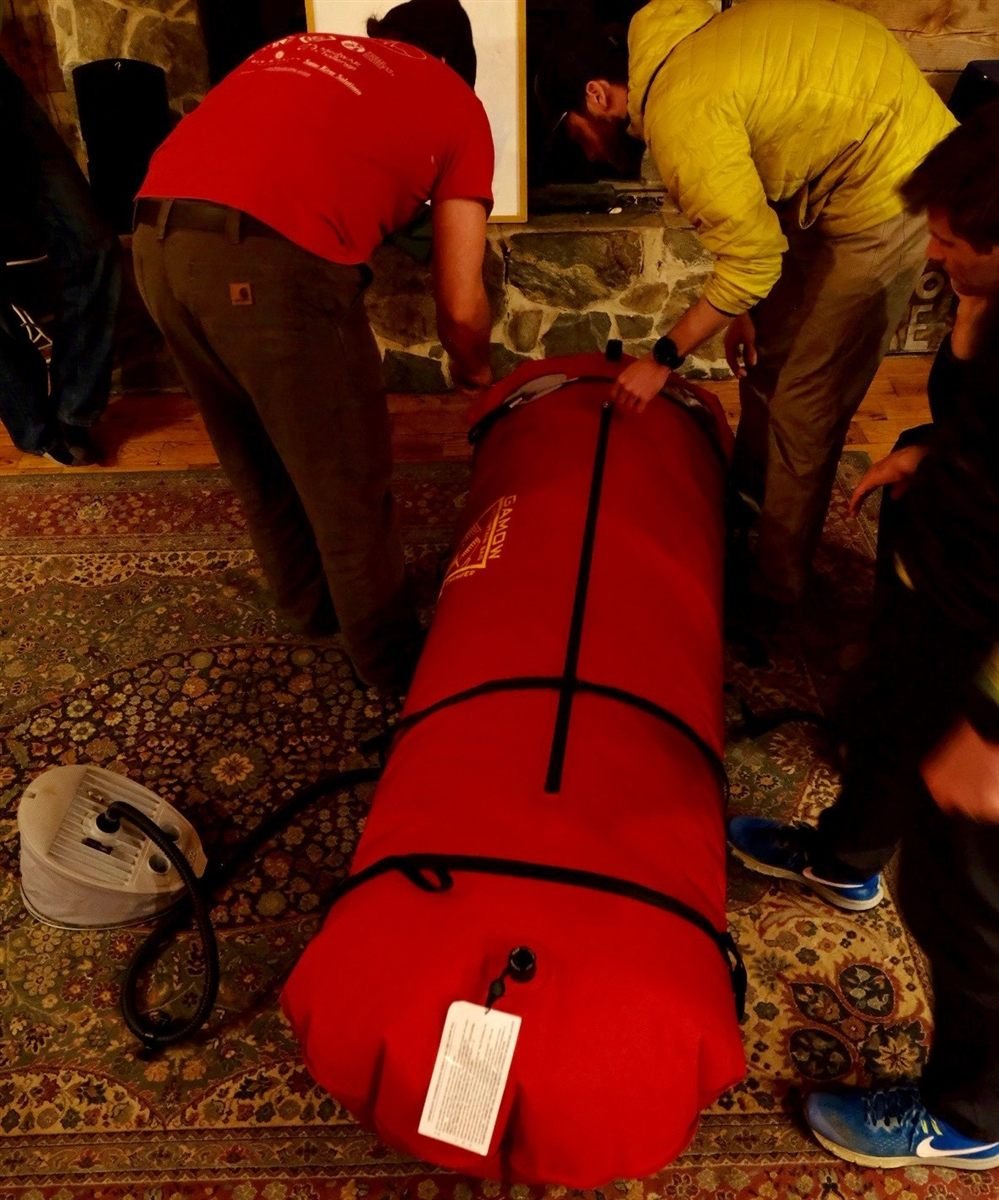
- If you cannot descend at night or in bad weather, keep the person warm, monitor them constantly and descend at the first opportunity. Supplemental oxygen and a portable pressure bag (such as a Gamow bag), if available, can buy time until descent; using them requires training and they do not replace descent.
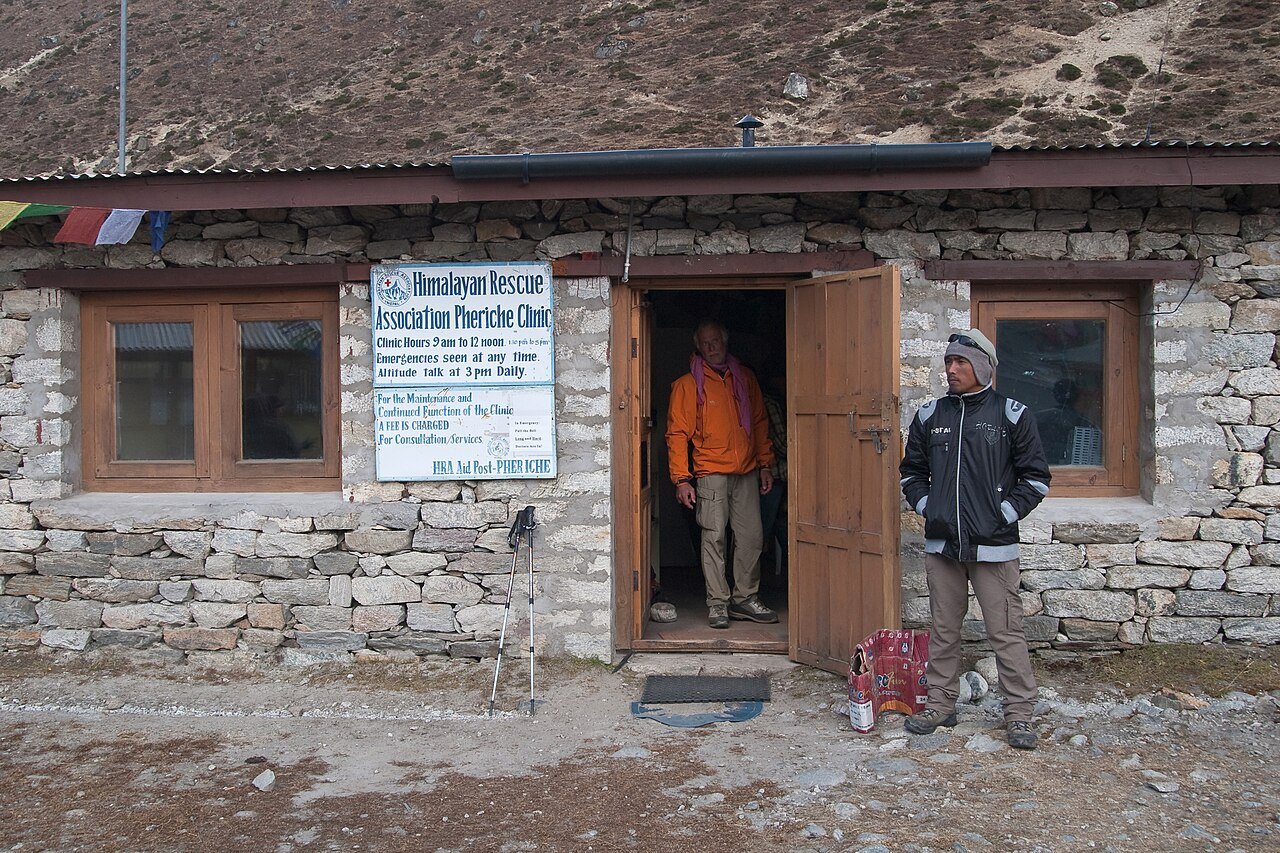
- Call for help. In Türkiye the emergency number is 112. Abroad, note down the local rescue and insurance numbers before you set off (Emergencies and Rescue).
About medication: there are prescription drugs used to prevent and treat altitude illness. Discuss them with a doctor before the trip, and use them only on medical advice and by trained people. No drug replaces a slow ascent or descent. Someone whose symptoms are masked by medication and who keeps climbing may end up with a more serious illness.
Conditions that can be confused
At high camp, every headache is blamed on altitude. Sometimes the culprit is a missing bottle of water, sometimes a stove burning inside the tent.
Not every headache is altitude, but proving another cause is hard. Conditions that can cause similar symptoms at high camp:
- Dehydration and hunger: they cause headache and weakness. Drinking enough does not prevent AMS, but it stops dehydration from muddying the picture (Nutrition and Hydration).
- Exhaustion and cold: hypothermia also causes light-headedness, stumbling and confusion (Surviving the Cold).
- Carbon monoxide: burning a stove in a closed tent or vestibule can cause headache, nausea and clouded consciousness. We cover stove safety on the Camping and Food in the Mountains page.
If in doubt, treat it as altitude illness. Descending by mistake costs a summit; staying by mistake can cost a life.
Daily log
The headache was "a bit" there in the morning and "a bit more" at noon. If you do not write it down, nobody will remember by evening what changed.
At altitude, recording everyone's symptoms in the same way every morning and evening lets you see things getting worse early. The form below combines the four questions of the 2018 Lake Louise score with sleep and altitude information and the day's decision. Each symptom is scored 0 (none), 1 (mild), 2 (moderate) or 3 (severe).
- Day and altitudeDate, time: Highest point reached today (m): Sleeping altitude tonight (m):
- Lake Louise score (0–3)Headache: Nausea, vomiting, loss of appetite: Fatigue, weakness: Dizziness: Total (0–12):
- Danger signsStaggering, confusion, breathlessness that does not settle with rest, frothy sputum?
- DecisionContinue / stay at the same altitude / descend: Who decided, and why:
How to read it: after an ascent, a headache of at least 1 and a total of at least 3 counts as acute mountain sickness (AMS); 3–5 is mild, 6–9 moderate and 10–12 severe. Do not go higher with AMS. If any danger sign is present, ignore the score: take the person down without delay (What to do).
A pulse oximeter (a finger-clip SpO₂ meter) can be added to the form, but on its own it does not decide that someone "can carry on". Low readings are also seen in healthy people at altitude, and the guidelines base the diagnosis of altitude illness on symptoms, not on a reading. Read the value together with the symptoms, looking at how it changes in the same person from day to day.
Prevention
The best treatment for altitude illness is never getting ill. And the way there runs through four short habits.
- Ascend slowly: raise your sleeping altitude gradually and add rest days (Acclimatisation: the golden rules).
- Know your history: if you have had HAPE or HACE before, always consult a doctor knowledgeable in this area before going to high altitude.
- Talk to your team: do not hide symptoms. Every evening everyone says how they feel; one person’s symptoms are the whole team’s decision (Planning a Climb and Building a Team).
- Get trained: recognising altitude illness and evacuating a casualty are learned by practice, not by reading. Join the first aid and mountain rescue courses run by clubs and the federation (Clubs, Courses and Training).
Sources
8
- Current guideline – Luks et al.: Wilderness Medical Society Clinical Practice Guidelines for Acute Altitude Illness, 2024 Update
- Summary of the guideline and diagnostic criteria – Omidi et al.: What Is New in Altitude- and Cold-Related Illnesses of Travel (2025)
- Symptoms, course and descent – CDC Yellow Book: High-Altitude Travel and Altitude Illness
- AMS criteria – Roach et al.: The 2018 Lake Louise Acute Mountain Sickness Score
- General overview of altitude illness – StatPearls, NCBI
- Health rules for mountaineers – UIAA Medical Commission: 4 x 4 Health Rules for Mountaineers (2008)
- Origin of the Lake Louise score (1991) and the 2018 update – Roach et al.: The 2018 Lake Louise Acute Mountain Sickness Score (open access)
- The Gamow bag and Igor Gamow – Wikipedia: Gamow bag


