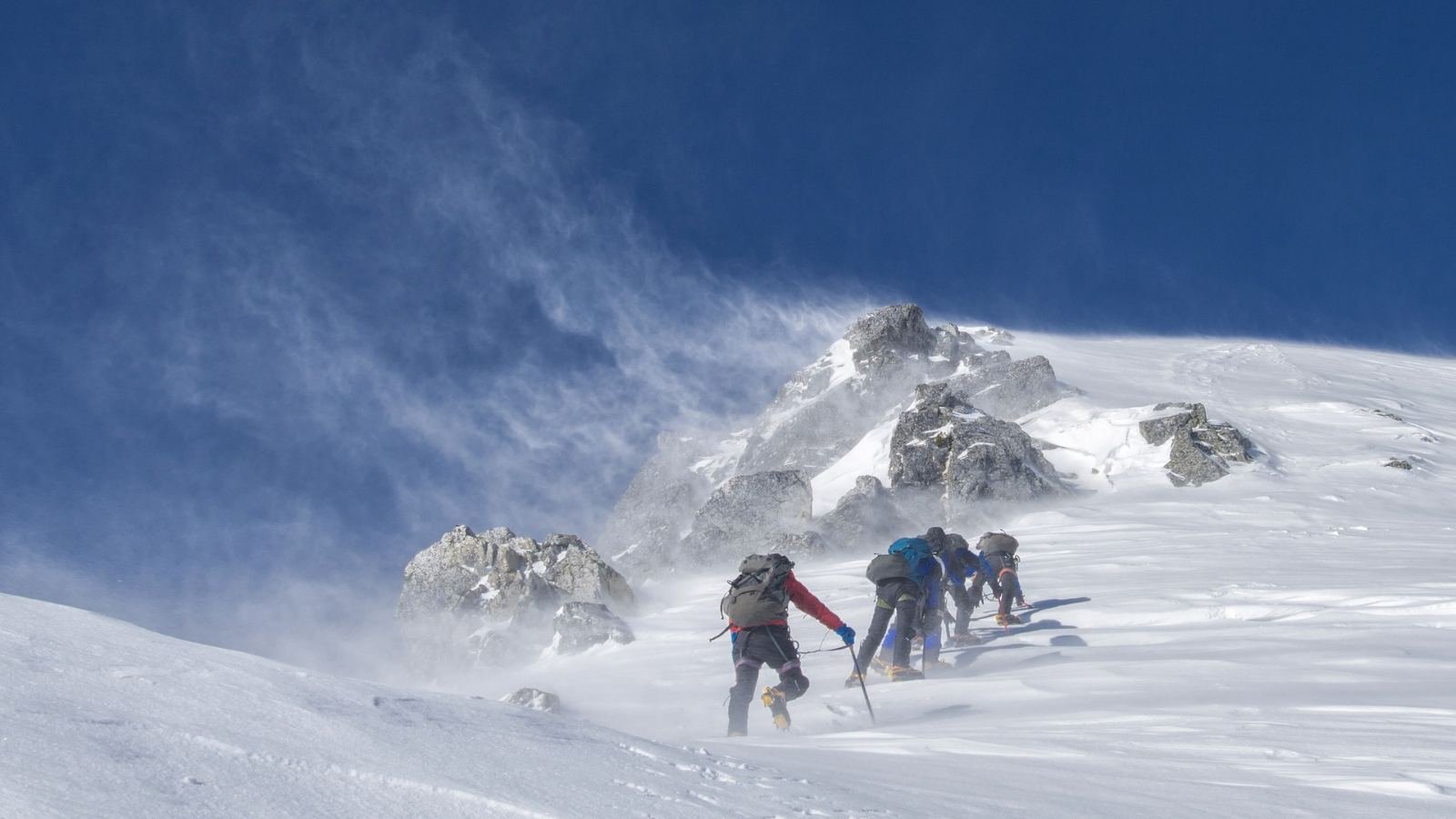

Imagine you are lost on a mountain. The first question the gendarmerie and rescue teams searching for you ask is: “Does anyone know where they were going?” Permit and notification rules exist so that the answer to that question is “yes”.
To climb a mountain in Türkiye there is no general “mountaineering permit”; but many provinces require an official notification before hiking or climbing, and some mountains need a governorship permit. These rules were often written after an accident, so that the same accident would not happen again. On this page we explain whom to notify, the rules on Mount Ağrı (Ararat), what a licence is for and what to watch for in national parks. Rules can change from province to province and year to year: before setting off, always check the latest version with the governorship of the province where you will be active.
For Mount Ağrı, apply at least 10 days ahead from within Türkiye and at least 30 days ahead from abroad.
Source: Ağrı GovernorshipThe minimum group size for Turkish and foreign groups on the Iğdır side.
Source: Iğdır GovernorshipThe campsites on Mount Ağrı’s southern route.
Source: Ağrı GovernorshipWhy are there rules?
Most of the rules were written not at a desk but after an accident. Behind each article is an event someone did not want to see repeated.
A team lost or injured in the mountains is searched for by the gendarmerie, AFAD (Türkiye’s disaster and emergency agency) and volunteer rescue teams. If the team told nobody where it was going, the search can take days. That is why notification rules exist: so rescuers know where to look for you. Equipment and team rules are written against the most common causes of accidents: going into the mountains unprepared, alone and without a means of communication.
Notification and governorship permits
Türkiye has no single “mountaineering permit”; the rules vary from province to province. The good news: finding the right rule is usually a matter of one search.
Many governorships set similar conditions in their decisions on mountaineering and nature walking. For example, the Siirt Governorship’s 2020 decision requires:
- Obtaining a permit from the relevant body where an activity permit is required, then notifying the gendarmerie or police.
- Having someone in the team who can give first aid, and first aid supplies.
- Carrying a radio, satellite phone or device that sends a location via satellite for places without phone signal.
- Following meteorological warnings. Administrative fines can be imposed on those who break the rules.
In practice: search for the province you are going to with “valilik dağcılık” (governorship mountaineering) or “doğa sporları genel emir” (nature sports general order), and read the decision on the governorship’s website. If in doubt, call the district gendarmerie command and ask. For federation and club activities, notification is often made by the club through the Provincial Directorate of Youth and Sports. Do not forget to leave your route and return time with someone at home (see Tell someone, prepare for emergencies).
Rules on Mount Ağrı
The roof of Türkiye stands on the border of two provinces. The slope you climb from decides which governorship’s rules you follow.

Türkiye’s highest mountain, Ağrı (5,137 m), has the strictest rules. After two climbers died in July 2024, the Iğdır Governorship issued a general order making all activities on Greater and Lesser Ağrı and Mount Tekelti subject to permission (4 July 2024). The mountain lies on the border of two provinces: Iğdır’s rules apply on its northern slopes, and Ağrı’s on the summit and the southern, Doğubayazıt side.
The Iğdır side: the Iğdır Governorship general order
The main conditions of the general order:
| Topic | Condition |
|---|---|
| Team | Turkish and foreign groups must have at least 2 people; the team must include at least one person with mountaineering training and at least one with a basic first aid certificate. |
| Notification | During office hours, notify the Iğdır National Parks Directorate and the Governorship; outside office hours, the Provincial Gendarmerie Command. |
| Club and federation activities | Notify the Provincial Directorate of Youth and Sports in writing 10 days ahead, with the place, purpose, dates and list of participants. |
| Equipment | Equipment and clothing suited to the activity, season and altitude; first aid and personal rescue gear. Because there is no phone signal, as far as possible a radio, satellite phone, location device and, in winter, an avalanche transceiver. |
| Camp | Groups that set up camp must leave at least one person at the camp centre to keep track of members. |
| Route and weather | Designated routes must be used. The Governorship can close the mountain or part of it when weather risk increases; activity in risky weather needs separate permission. |
| Under 18 | A licence for federation activities; for other activities, a parent must be present or a parental permission form carried. |
The Ağrı side: the Ağrı Governorship directive
The most used way to the summit is the classic southern route from Doğubayazıt, and permits on this side are issued by the Ağrı Governorship. In April 2026 the Governorship updated the “Implementing Directive on Ascents of Mount Ağrı and Activities in Mount Ağrı National Park”, in force since 2021. According to the Governorship’s announcement, the main conditions are:
| Topic | Condition |
|---|---|
| Application deadline | At least 10 days ahead from within Türkiye, at least 30 days ahead from abroad. |
| Where to apply | Doğubayazıt District Governorship; by email, in person, by fax or through an agency. |
| Guide | Climbing and tourism activities must have a licensed mountain guide (mihmandar) and a local guide. The guide briefs participants on the risks and rules. |
| Risk declaration | Participants sign an “Information and Risk Declaration Form”. |
| Campsites | The campsites on the route are at 3,200 m and 4,200 m. |
| Equipment | Carrying emergency equipment is compulsory. |
| Weather | Meteorological data are monitored; the climb is ended in bad weather or an emergency. |
| Environment | Bringing waste back is compulsory; lighting fires, dropping litter, hunting and damaging wildlife and vegetation are forbidden. |
Teams climbing from the Iğdır side who will cross into Ağrı province for the summit must also obtain permission from the Ağrı Governorship in advance. Because the full text of the directive has not been published, the conditions are taken from the Governorship’s press announcement; confirm the current version with the Doğubayazıt District Governorship before applying. Information on the mountain is on the Our Mountains page.
Athlete licence and insurance
The licence card in your wallet opens the door to federation activities; but it does not pay for a helicopter rescue. The two should not be confused.
A mountaineering athlete licence is required to take part in activities, courses and club events linked to the Turkish Mountaineering Federation (TDF). Some governorship decisions also require a licence for federation activities. How to get a licence, renew its visa every year and what it costs are covered on the Clubs, Courses and Training Levels page.
A licence is not an insurance policy. Ask your club how accident and rescue costs are covered. If you are going abroad, especially to the Alps or the Himalaya, take out insurance that covers mountaineering and helicopter rescue; many travel insurance policies do not cover mountaineering above a certain height, so read that clause of the policy.
In national parks
When you enter the lakes of the Kaçkar, the valleys of the Aladağlar or the slopes of Ağrı, you are actually inside a national park. That means you are a guest.
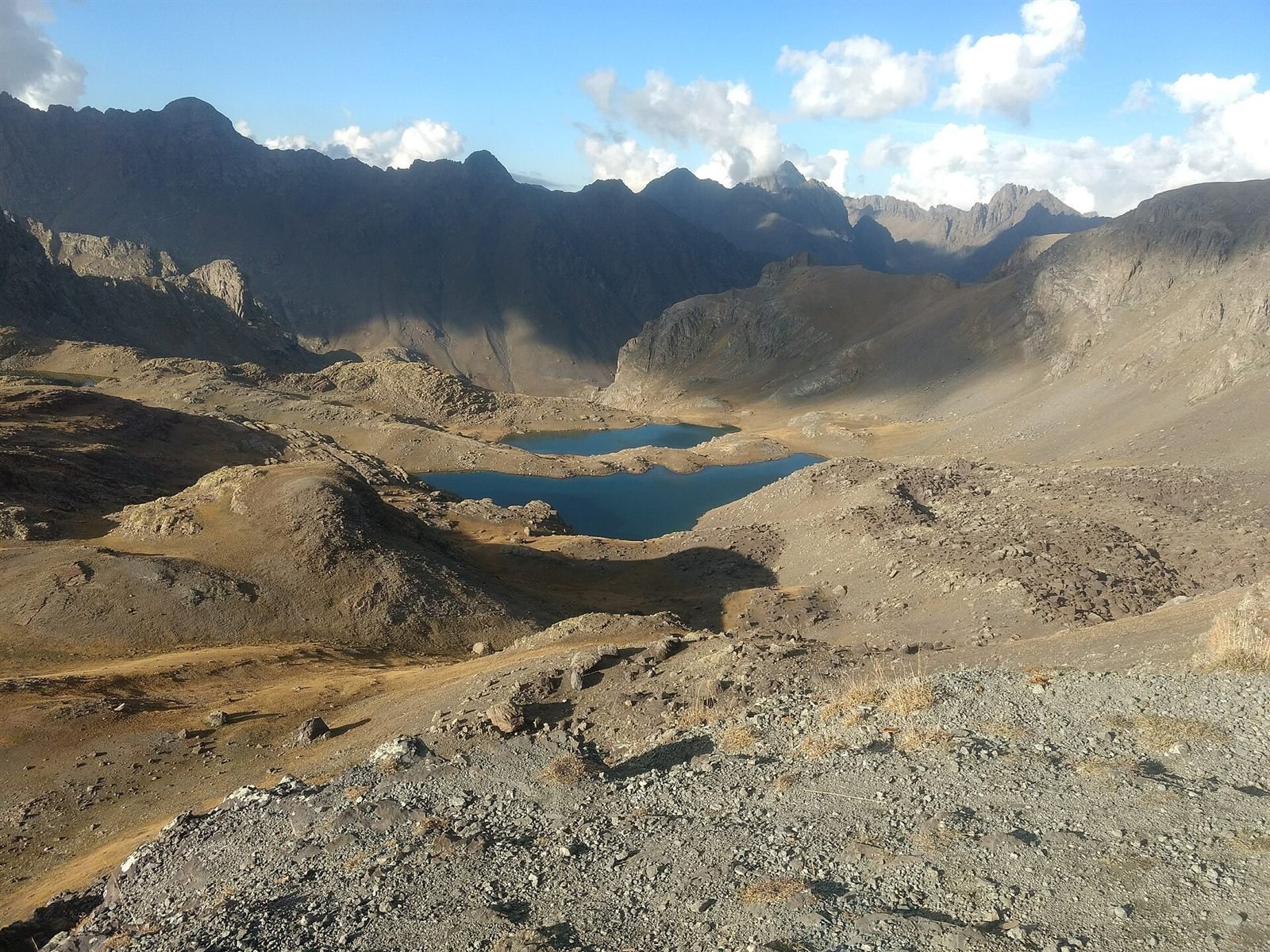
Many of Türkiye’s high mountains lie within national park boundaries: Mount Ağrı National Park was declared in 2004 and Kaçkar Mountains National Park in 1994; the Aladağlar is also a national park. Under the National Parks Law, in these areas:
- The natural balance and ecosystem must not be disturbed, and wildlife must not be harmed.
- Nothing may be done that pollutes the soil, water or air or changes the character of the area.
- Hunting is forbidden; plants and forest products may not be collected in a way that upsets the natural balance.
- No structures or installations may be built without permission. This includes stone walls, permanent shelters and painting waymarks for your own route.
Rules on campsites and fires vary from park to park; in the summer months many governorships also ban entry to forest areas and lighting fires. Ask the park directorate where you may camp and the rules on using stoves. We cover setting up camp on the Camping and Food in the Mountains page.
Guiding and mountain guides
“I know the mountain very well” is easy to say. Asking for a guide’s certificate is both your right and a question a good guide will be happy to answer.
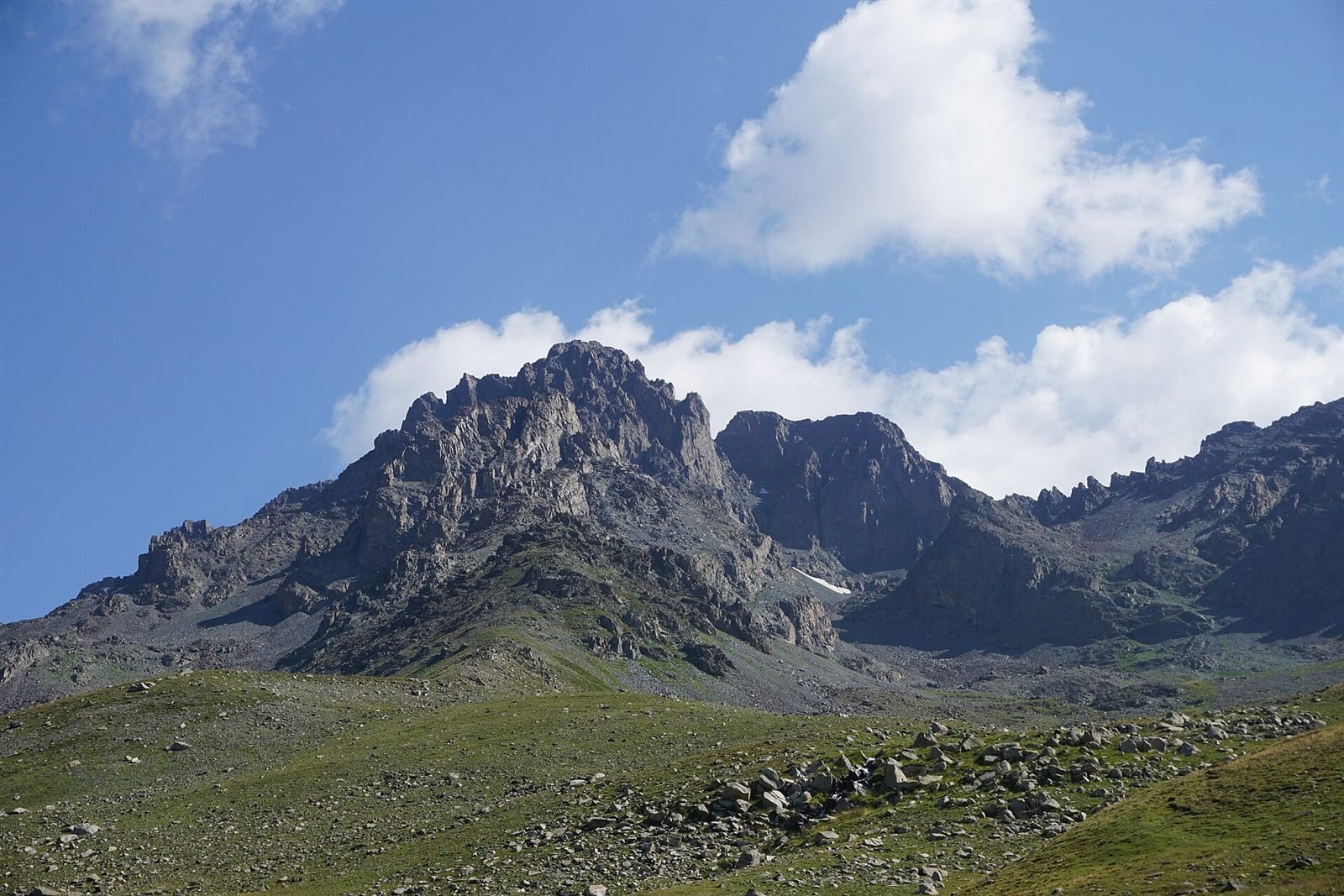
A mountain guide (mihmandar) is, by official definition, a mountaineer who shows the way in the mountains, knows the mountain being climbed and can carry out search and rescue in emergencies. The guiding certificate is awarded to those who complete a course run jointly by the Ministry of Youth and Sports and the TDF. To join the course you must be at least 25, licensed, have completed the federation’s summer and winter mountaineering courses and search and rescue courses, and have a current first aid certificate and foreign-language proficiency.
When choosing a paid tour or guide, ask which certificate the guide holds: TDF mountain guide, walk leader or coach. Do not go into the mountains with a guide who avoids showing their certificate or who says “we’ll go anyway” when the weather is bad. Walk leadership and coaching levels are on the Clubs, Courses and Training Levels page.
Codes of conduct in the mountains
In the mountains there is usually no official to remind you of the rules. The rules that apply there are an unwritten agreement that climbers have built among themselves over the years.
Alongside the written rules, there are unwritten rules that climbers have long followed. Most of them are known worldwide as the Leave No Trace principles:
- Plan ahead: learn the area’s rules, the weather and the route. An unprepared team endangers both itself and its rescuers.
- Walk and camp on durable ground: stay on the trail; do not cut corners and create new tracks.
- Bring your rubbish back: take back everything you brought, including food scraps. Rubbish at campsites is a big problem on busy mountains; Mount Ağrı’s campsites have been in the news for this many times.
- Leave what you find: do not touch stones, plants or historical remains.
- Minimise fire: use a stove for cooking; do not light fires where it is not allowed.
- Respect wildlife: do not feed animals; watch them from a distance. Do not leave food out in the tent.
- Respect other people: be careful of herders’ and shepherds’ pastures, flocks and dogs; give way to people coming up in narrow places.
The UIAA Tyrol Declaration
The unwritten rules of mountain sports were put into writing as the Tyrol Declaration at an international conference in Innsbruck in 2002 and adopted by the UIAA. The declaration does not lay down rules; it describes climbers’ values and principles of conduct. The articles that matter most to beginners:
- Individual responsibility: outside help may not always come in the mountains; everyone is responsible for their own safety. Choose objectives to suit your skills and the mountain’s conditions; giving up a climb is always a valid option. Get training suited to the objective and know your equipment.
- Team spirit: every team member also looks out for the others’ safety. Nobody is left alone if their well-being would be at risk.
- Respect among climbers: do not endanger others, and warn them of dangers you see. Follow the rules of the place you visit; let faster teams pass.
- Emergencies: helping someone in trouble always comes before reaching your own objective. Give all the help you can without putting yourself in danger.
- Protecting nature: stay on the trail, do not disturb wildlife, and collect rubbish left by others as well as your own. Respect access restrictions and conservation rules.
- Honesty: describe your climbs as they were; honesty is the only way to measure success.
At rock and sport climbing areas, opening new routes and placing bolts are also governed by the TDF’s bolting directive; bolts are not placed at random. This is a subject for our climbing section.
Next step: learn the terms you will hear in the mountains: Mountaineering Glossary.
Sources
11
- Conditions on the Iğdır side – Iğdır Governorship: General Order on Making Nature Sports, Nature Tourism and Outdoor Race Organisations Safe (04.07.2024, in Turkish)
- 2026 conditions on the Ağrı side – Kent04: Mount Ağrı climbing directive updated for 2026 (12 April 2026, in Turkish)
- Notifying the authorities and communication measures – Siirt Governorship: Measures for Mountaineering Activities (26.10.2020, in Turkish)
- Activities forbidden in national parks (article 14) – National Parks Law no. 2873 (in Turkish)
- Dates national parks were declared – Ministry of Agriculture and Forestry, Nature Conservation and National Parks: list of national parks (in Turkish)
- Definition of a mountain guide and course requirements – Mountain Guiding Regulation (Official Gazette, 20.10.2004, no. 25619, in Turkish)
- Federation directives and regulations – Turkish Mountaineering Federation: Regulations (in Turkish)
- Values and principles of conduct in mountain sports – UIAA: Tyrol Declaration on Best Practice in Mountain Sports (2002)
- The first ascent of Mount Ağrı (1829) – Wikipedia: Mount Ararat
- Leave No Trace principles – Leave No Trace Center for Outdoor Ethics: The 7 Principles
- Permission to cross from Iğdır into Ağrı province – Doğubayazıt District Governorship: Ağrı Governorship Implementing Directive on Ascents of Mount Ağrı and Activities in Mount Ağrı National Park (2015, in Turkish)