
Mountaineering Guide
You can follow the steps in this order as you start mountaineering.
Mountaineering Guide
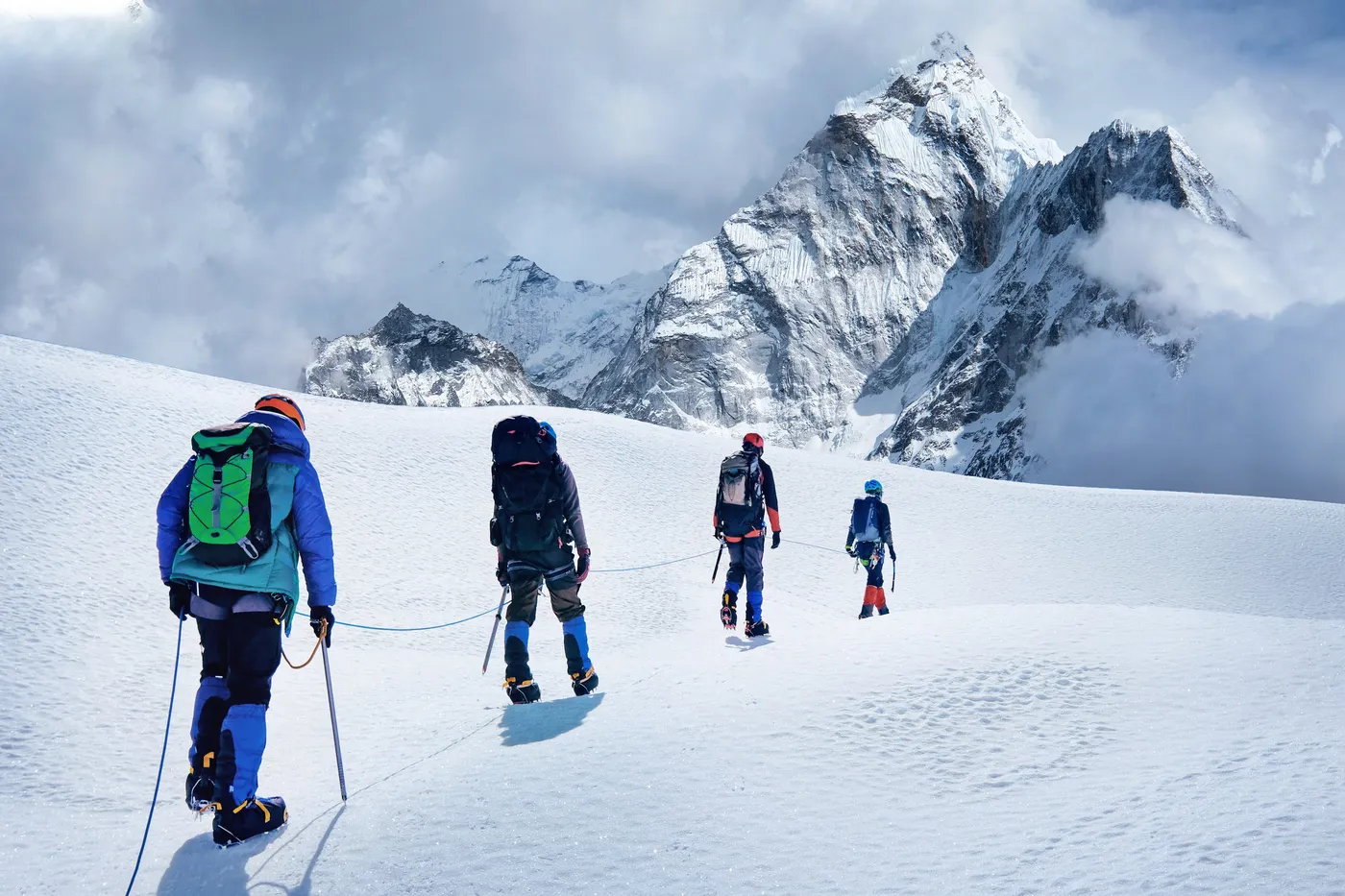
My First Mountaineering Gear
The first gear to get when starting mountaineering: boots, layers, a pack and safety items. What to buy first, what to hire and what to look out for.
Walking in the Mountains
The basics of walking well in the mountains: pace and the rest step, uphill and downhill technique, poles, loose ground, stream crossings and night walking.
Map, Compass and Navigation
How to read a topographic map, take a bearing with a compass, the magnetic declination in Türkiye, using a phone and GPS, and what to do if you get lost.
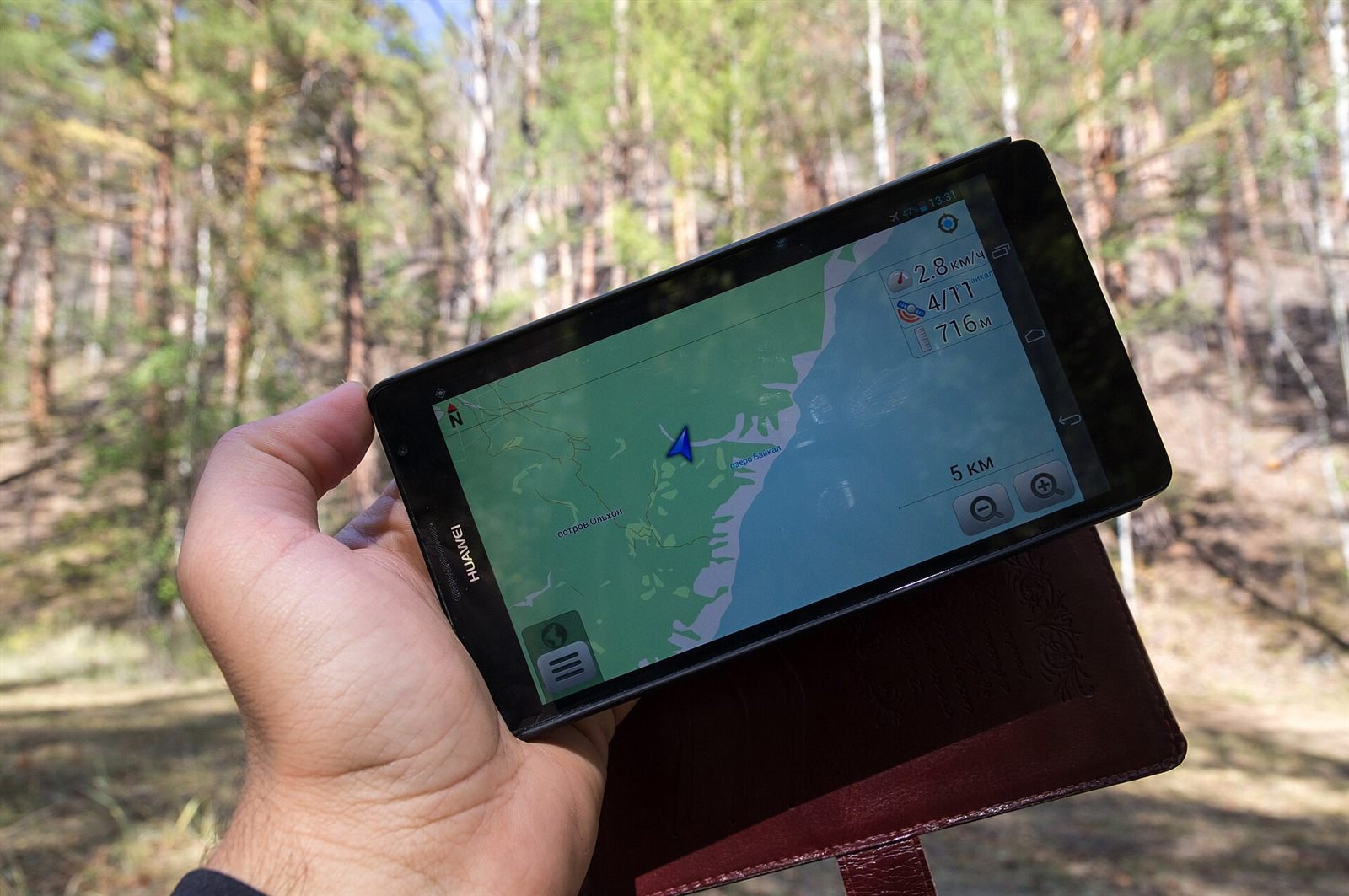
Digital Navigation
Navigating with phone and GPS: datums and coordinate formats, waypoints, routes and tracks, checking a GPX file, device error, track back and sharing your location.
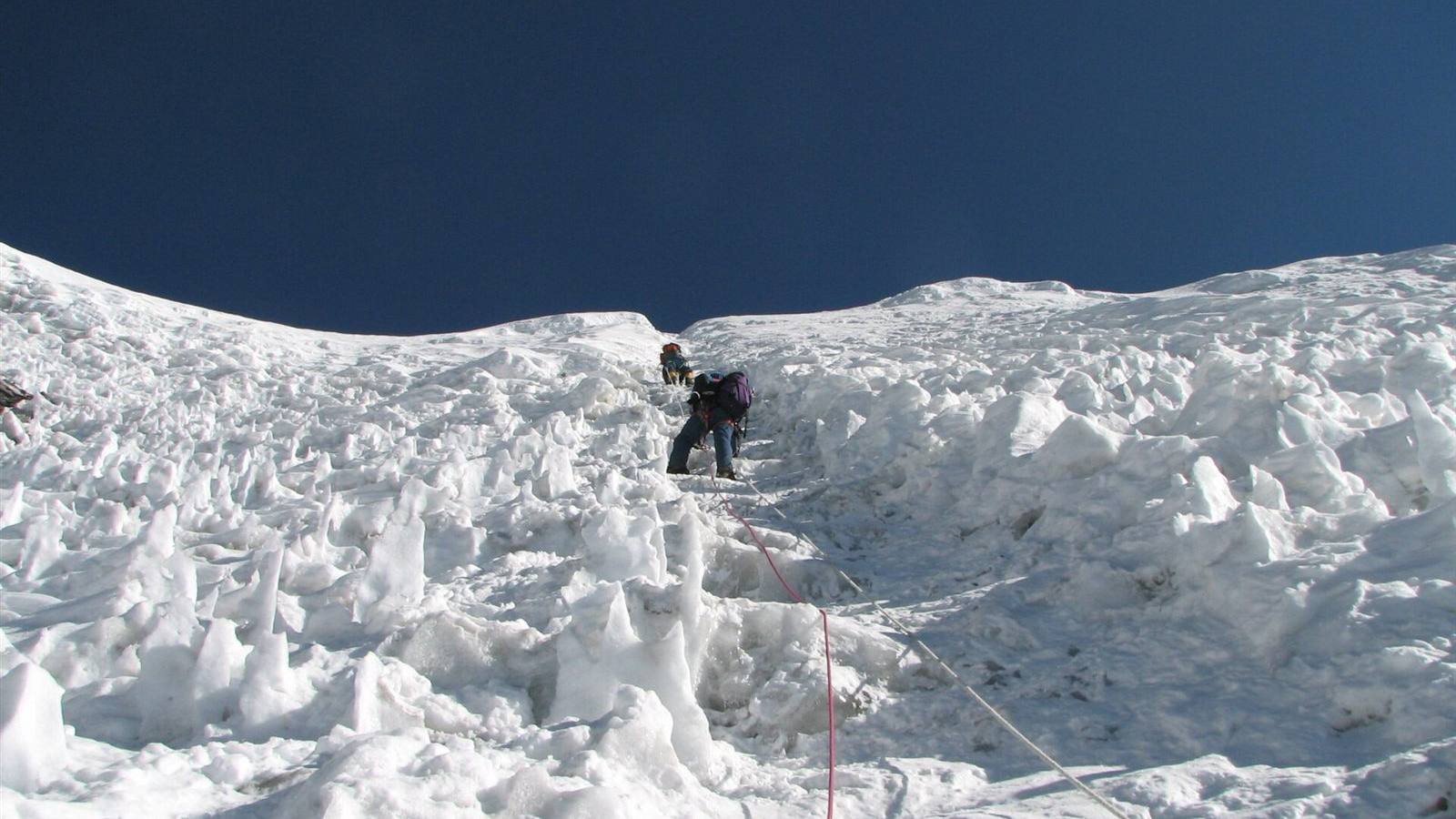
Rope Techniques and Abseiling
Mountaineering knots, belaying, anchors and stances, fixed ropes and abseiling: a guide from simple to advanced to why and how the rope is used.

Rock Scrambling and Via Ferrata
Crossing rocky ridges and couloirs, the basics of roped alpine rock climbing, and via ferrata: the kit, rules, history and the route in Türkiye.
Clubs, Courses and Training Levels
How to start mountaineering: choosing a club, the athlete licence and the TDF training levels, from summer and winter mountaineering to rock, ice and alpine.
Mountain Hazards
Hazards that cause accidents in the mountains: rockfall, rising streams and flash floods, fatigue and poor decisions, shepherd dogs, bears and snakes.
Health in the Mountains
The most common health problems in the mountains: blisters, sprains, sunburn, snow blindness, heatstroke, dehydration and ticks; signs, prevention and first aid.
Planning a Climb and Building a Team
Plan a mountain climb step by step: choosing a goal and route, weather, a time plan, turnaround time, building a team, leaving word and emergency preparation.
Camping and Food in the Mountains
How to choose a campsite, pitch a tent, treat water and what to eat in the mountains: stove safety, carbon monoxide and Leave No Trace principles.
Permits and Rules
Whom to notify before a climb and which mountains need a permit in Türkiye: provincial orders, Mount Ağrı rules, the athlete licence and national park rules.
Mountaineering Glossary
Common mountaineering terms: anchor, bivouac, crevasse, belay, rope team, couloir, serac, AMS and more, with short definitions and related pages.
Frequently Asked Questions
How to start mountaineering, which course to take, whether you need a licence, permits for Mount Ağrı, altitude illness, first gear: questions and answers.
Skills Self-Assessment
Mark your level for 24 mountaineering skills and see which ones you have not yet practised for a summer summit, a winter summit, a glaciated mountain or a high-altitude expedition.
Learning path
Mountaineering is a ladder: each rung rests on the one below. Skipping a rung looks quick, but in the mountains it is the most expensive shortcut.
The five rungs below show the reading order and the training order together. At each rung, read the pages first, then practise those skills in a club or on a course, next to someone experienced. You can mark where you stand with the Skills Self-Assessment tool.
| Rung | Read | Practise |
|---|---|---|
| 1. Getting started day walks on paths | First Gear, Walking in the Mountains, Map and Compass, Planning, Health in the Mountains | Join a club; climb summer summits on paths with an experienced group. Take a first aid course. |
| 2. Basic field training club or course | Rope Techniques, Scrambling, Emergencies, First Aid Cards, Decision-Making | Basic mountaineering training: knots, belaying, abseiling, navigation, emergencies. |
| 3. Summer and alpine pathless, rocky summits | Mountain Weather, Mountain Hazards, Grades, Summer Avalanches, Group Leadership | Summits with scrambling, with an experienced team; practise moving roped together under supervision. |
| 4. Winter snowy and icy mountains | How Winter Mountains Differ, Snow and Ice Techniques, Avalanche Safety, Avalanche Rescue, Winter Camping, Cold Injuries | Winter training: crampons, ice-axe arrest, transceiver search, probing and digging. |
| 5. Glaciers and advanced techniques glaciated and high mountains | Glacier Travel, Self and Partner Rescue, High Altitude, Acclimatisation, Altitude Illness, Expedition Planning | Glacier and rescue training: rope teams, anchors, load transfer, crevasse rescue; gradual adaptation to altitude. |
Finishing a rung does not mean reading those pages; it means being able to do those skills safely under supervision. The best judge of the difference between feeling ready and being ready is an instructor who has seen you in the mountains.