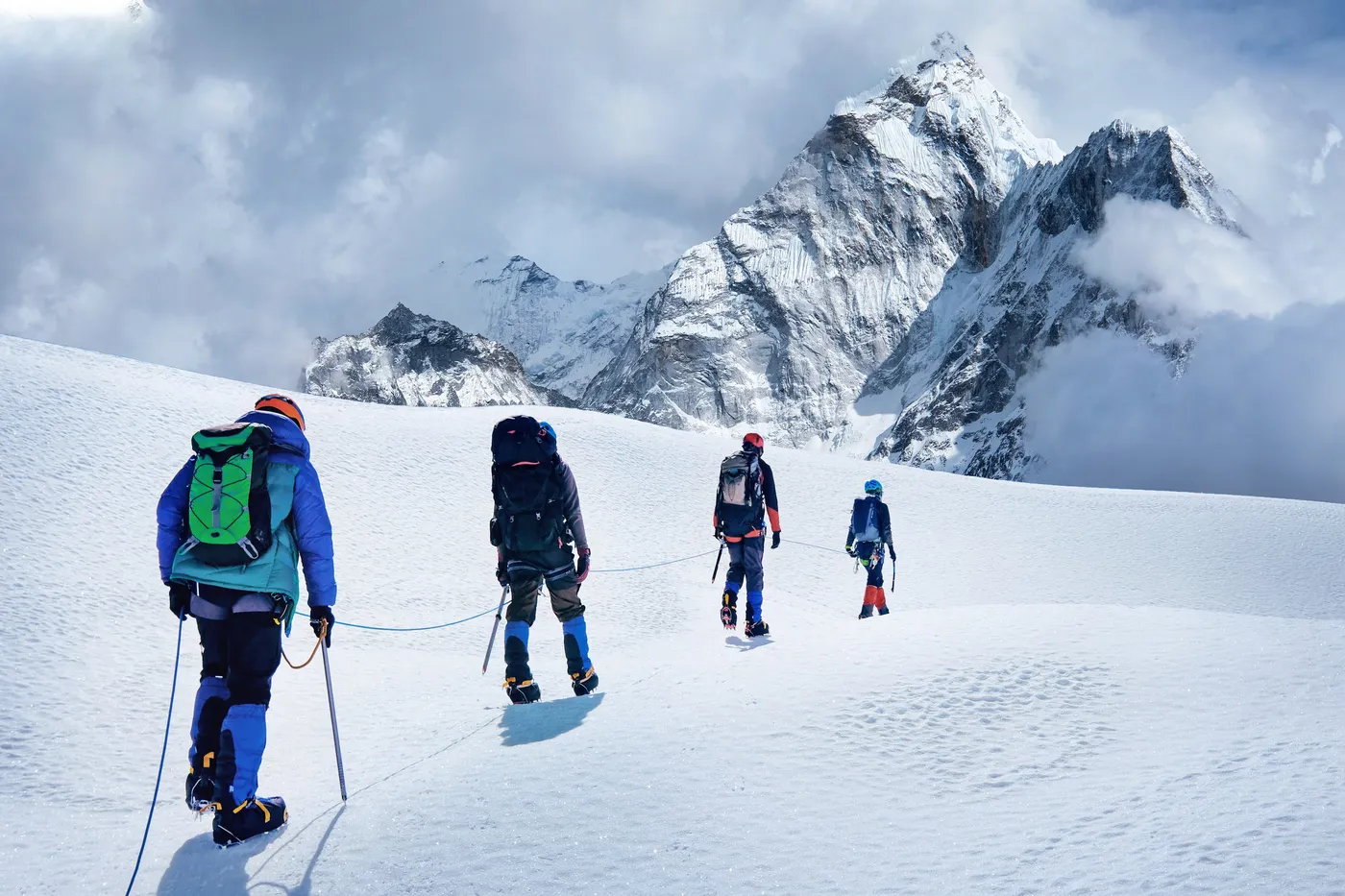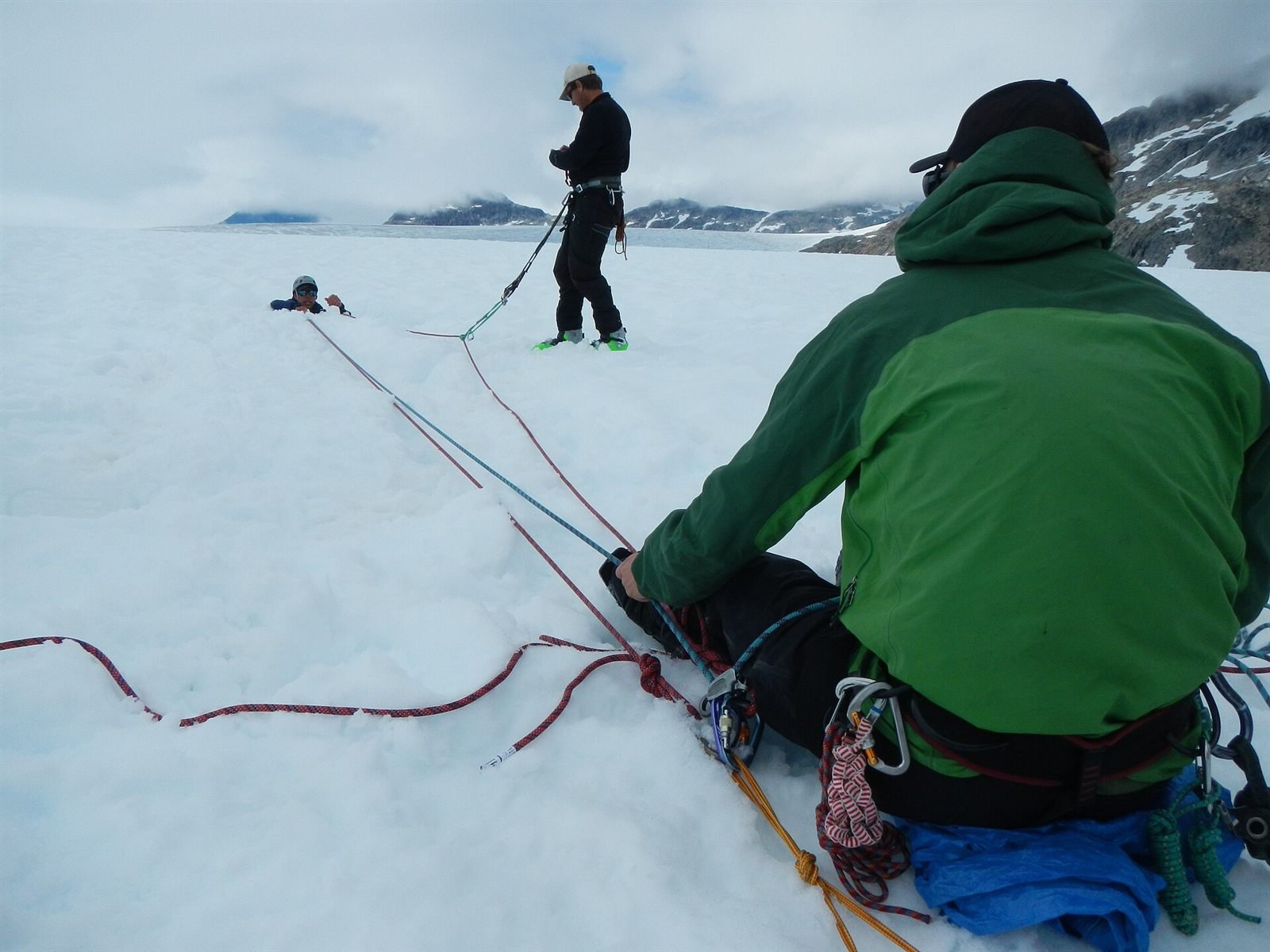
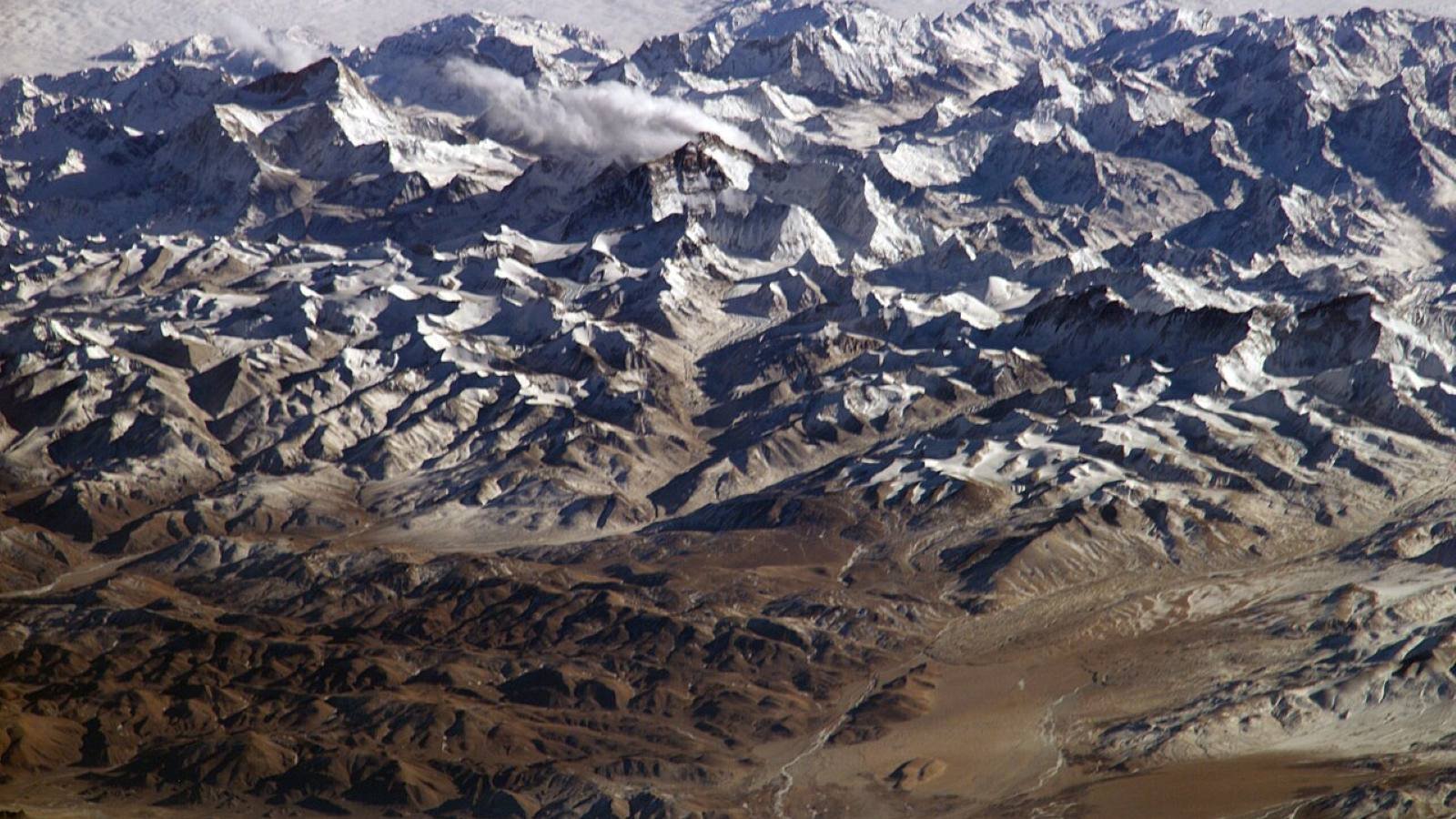
Only fourteen mountains in the world rise above 8,000 metres, and all of them stand on the same continent, in a belt a few hundred kilometres long. For a century, these fourteen summits have been mountaineers’ greatest dream.
The eight-thousanders are the world’s 14 summits above 8,000 metres and the greatest goals of high-altitude mountaineering. This page shows them together and explains why the number “14” is debated and why heights vary from source to source. The Seven Summits, the highest peak on each continent, are here too. Who first climbed these summits is covered on the History of Mountaineering page.
The number of independent summits above 8,000 metres. All are in the Himalaya and Karakoram.
Source: Nepal Department of Tourism, CKNPThe height announced jointly by Nepal and China on 8 December 2020.
Source: The Himalayan TimesThe highest summit on each continent. There are two different lists for Australia.
Source: GuinnessThe eight-thousanders
Find Nepal on a map and slide your finger north-west towards Pakistan. All fourteen of the world’s highest summits lie under that finger.
There are 14 independent summits in the world above 8,000 metres. All are in Asia, in the Himalaya and Karakoram ranges; eight are within or on the border of Nepal, five are in the Gilgit-Baltistan region of northern Pakistan, and one is in Tibet. This height is far above even the “extreme” altitude at which the human body cannot hold out for long (Above 8,000 metres).
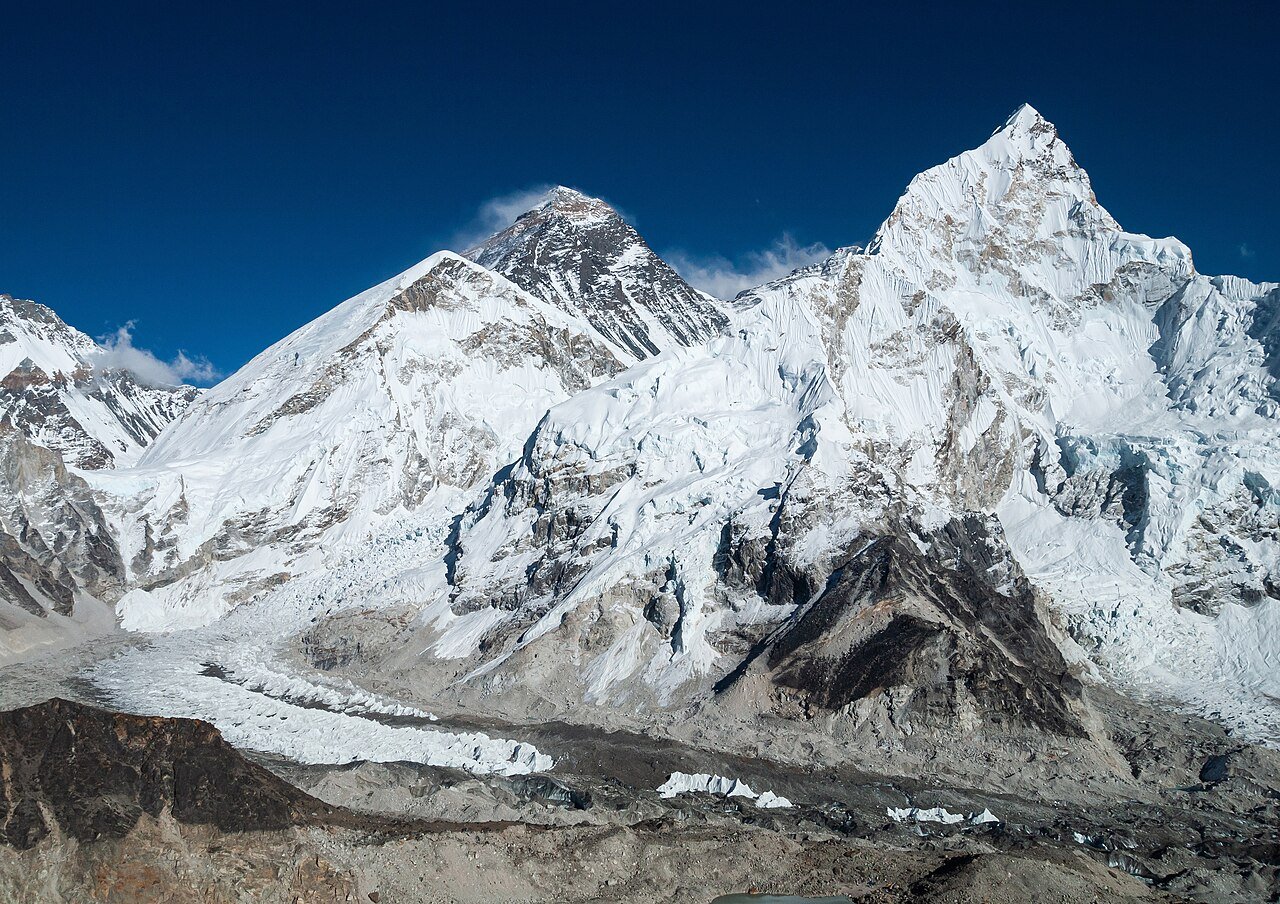
| Rank | Summit | Height | Range | Country |
|---|---|---|---|---|
| 1 | Everest | 8,849 m | Himalaya | Nepal, China |
| 2 | K2 | 8,611 m | Karakoram | Pakistan, China |
| 3 | Kangchenjunga | 8,586 m | Himalaya | Nepal, India |
| 4 | Lhotse | 8,516 m | Himalaya | Nepal, China |
| 5 | Makalu | 8,463 m | Himalaya | Nepal, China |
| 6 | Cho Oyu | 8,201 m | Himalaya | Nepal, China |
| 7 | Dhaulagiri | 8,167 m | Himalaya | Nepal |
| 8 | Manaslu | 8,163 m | Himalaya | Nepal |
| 9 | Nanga Parbat | 8,126 m | Himalaya | Pakistan |
| 10 | Annapurna I | 8,091 m | Himalaya | Nepal |
| 11 | Gasherbrum I | 8,080 m | Karakoram | Pakistan, China |
| 12 | Broad Peak | 8,051 m | Karakoram | Pakistan, China |
| 13 | Gasherbrum II | 8,035 m | Karakoram | Pakistan, China |
| 14 | Shishapangma | 8,027 m | Himalaya | China (Tibet) |
Note: the heights of the summits in Nepal are those used by Nepal’s Department of Tourism, and those in Pakistan are the values used by Pakistan’s official park and tourism bodies. Different values are also found, such as 8,068 m for Gasherbrum I and 8,057 m for Broad Peak.
14, or more?
The “14 eight-thousanders” list includes only the summits considered independent. Subsidiary summits above 8,000 metres, such as Lhotse Shar or the central and south summits of Kangchenjunga, are not on the list. At the start of 2025, Nepal’s Department of Tourism added six of these subsidiary summits to its own official list, raising the number of 8,000ers in Nepal to 14. International recognition requires approval by the International Climbing and Mountaineering Federation (UIAA); at the time of writing, the generally accepted list was still the 14-summit list.
Turkish climbers and the 8,000ers
When the first Turkish climber stood on the summit of Everest, it would be another 28 years before a Turkish climber had climbed all fourteen 8,000ers.
Turkish climbers’ encounter with the 8,000ers began in the 1990s. We tell the story of the first Turkish climbers on Everest on the History of Mountaineering page; here are a few milestones on the other summits:
- 1995, Everest: Nasuh Mahruki became the first Turkish climber to summit Everest, on 17 May 1995.
- 2005, Gasherbrum II: a six-member Turkish team led by Serhan Poçan reached the summit of Gasherbrum II on 22 July 2005; it was the first Turkish expedition to climb this peak. Team members Burçak Özoğlu Poçan and Eylem Elif Maviş became the first Turkish women to climb a summit above 8,000 metres.
- 2023, all fourteen: Tunç Fındık completed the journey he began on Everest in 2001 on the summit of Nanga Parbat on 26 June 2023, becoming the first Turkish climber to climb all 14 eight-thousanders.
The Seven Summits
Climbing the highest point on every continent sounds like a simple list. Until you ask: which is Australia’s highest mountain?
The Seven Summits is the goal of climbing the highest summit on each of the seven continents. The idea spread in the 1980s. Everyone agrees on six of the list; the debate is over Australia and Oceania:
- The Bass list (Kosciuszko): the continent is taken to be the Australian mainland; its highest summit is 2,228-metre Kosciuszko. American Dick Bass became the first person to complete this list when he climbed Everest on 30 April 1985.
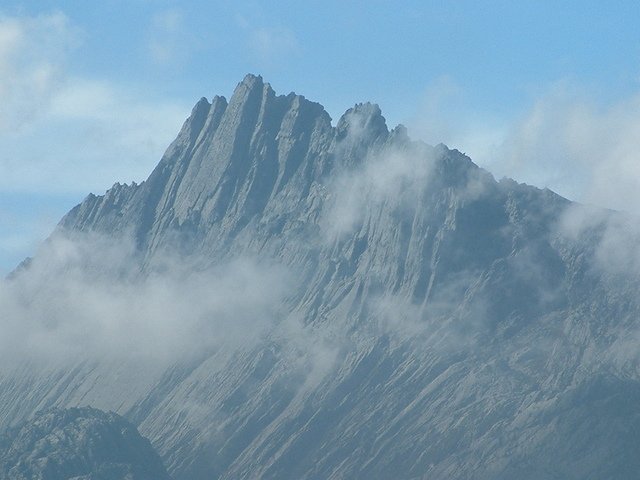
- The Messner list (Carstensz): the continent is considered together with the shared continental shelf (Sahul) on which Australia and the island of New Guinea sit. On this list, named after Reinhold Messner, the summit of Oceania is the Carstensz Pyramid (Puncak Jaya, 4,884 m) in Indonesia’s Papua region. Canadian Patrick Morrow became the first person to complete this list, in 1986.
| Continent | Summit | Height | Country |
|---|---|---|---|
| Asia | Everest | 8,849 m | Nepal, China |
| South America | Aconcagua | 6,961 m | Argentina |
| North America | Denali | 6,190 m | USA (Alaska) |
| Africa | Kilimanjaro (Uhuru) | 5,895 m | Tanzania |
| Europe | Elbrus | 5,642 m | Russia |
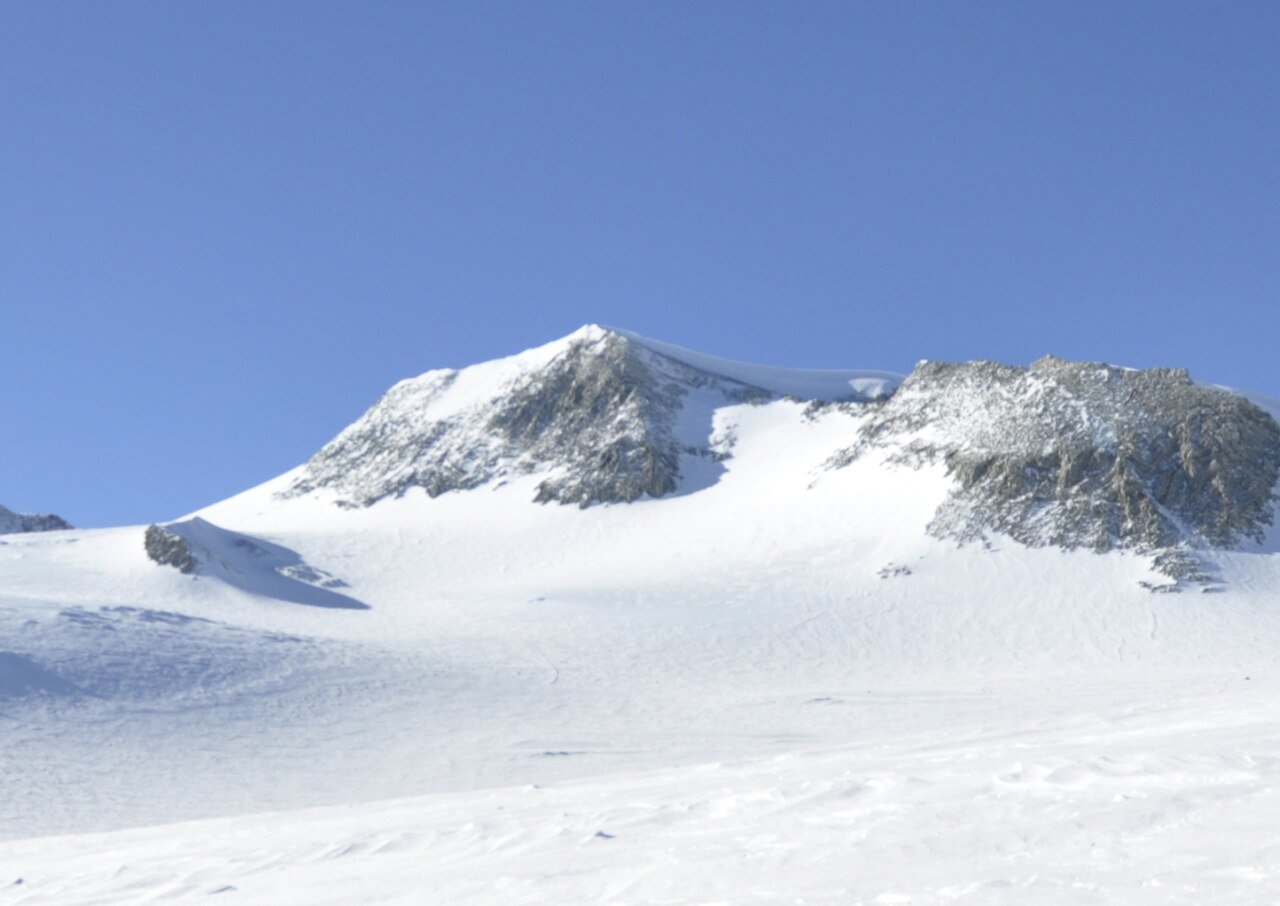
| Antarctica | Vinson | 4,892 m | - |
| Oceania (Messner list) | Carstensz Pyramid (Puncak Jaya) | 4,884 m | Indonesia |
| Australia (Bass list) | Kosciuszko | 2,228 m | Australia |
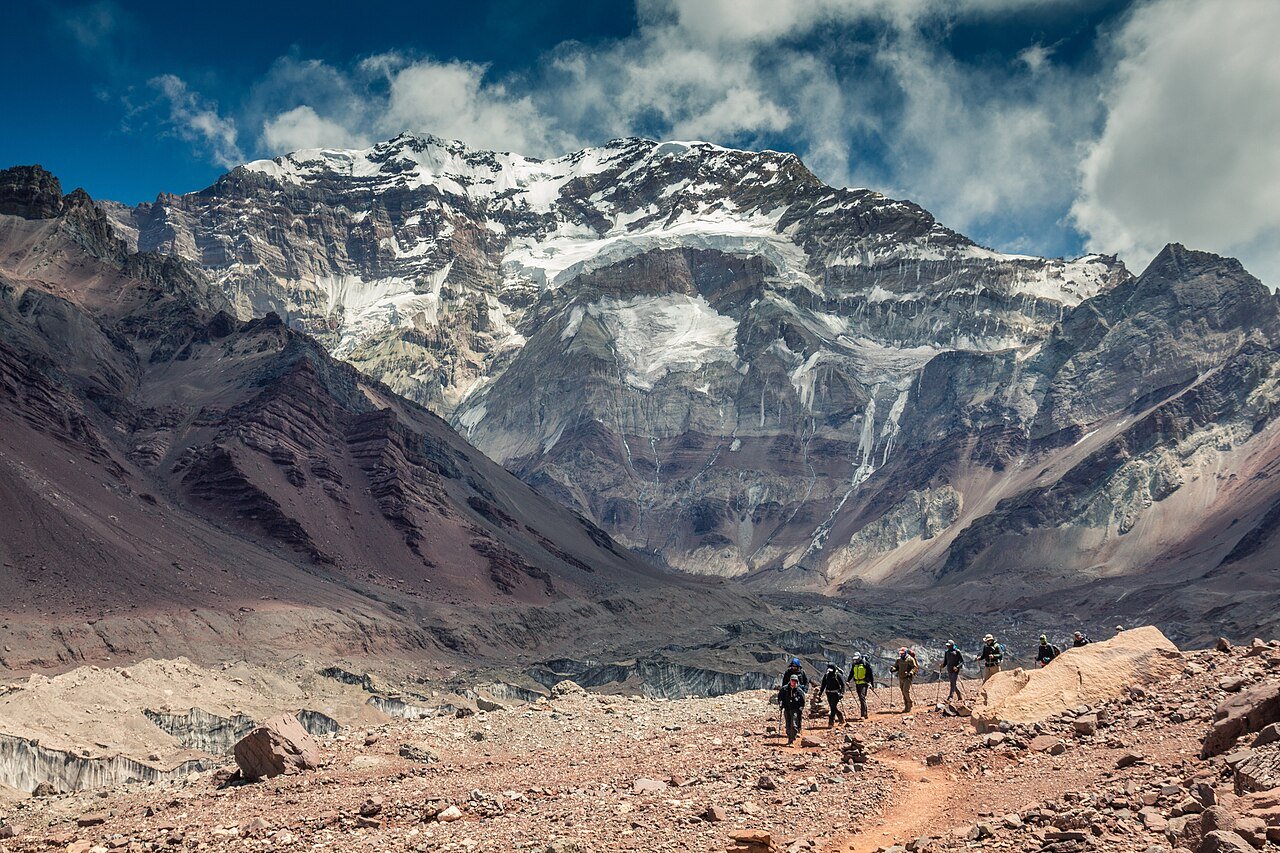
About the heights: Aconcagua was measured at 6,960.8 m in 2012. Denali’s height was updated to 20,310 feet (6,190 m) by a GPS survey by the US Geological Survey (USGS) in 2015. Vinson’s 4,892 m comes from a 2004 GPS survey. For Kilimanjaro, 5,895 m is the widely accepted value; some surveys give a result a few metres lower.
- Elbrus or Mont Blanc for Europe? Because there is no single, universally accepted line between Europe and Asia, counting Elbrus in the Caucasus as European is debated. For those who do not count Elbrus as European, Europe’s highest summit is Mont Blanc in the Alps (about 4,807 m). The widely accepted Seven Summits lists include Elbrus.
- Difficulty is not uniform: Kosciuszko is climbed by an easy walk of about four hours there and back from the nearest car park; the Carstensz Pyramid requires an expedition with a jungle approach, a charter flight and technical climbing. Everest is an 8,000er expedition. Each summit on the list needs its own preparation (Expedition Planning and Logistics).
The Alps, the Caucasus and Iran
The eight-thousanders are everyone's dream, but a mountaineer's path usually runs closer to home: through the glaciated 4000ers of the Alps, the volcanoes of the Caucasus and a giant cone right next to Tehran.
For mountaineers from Türkiye, the first steps into high altitude and onto glaciated mountains are often taken in these three regions. Compared with Türkiye's highest summit, Mount Ararat (Ağrı Dağı, 5,137 m), they are all at familiar heights; but each has its own difficulties.
The 4000ers of the Alps
The International Climbing and Mountaineering Federation (UIAA) published its official list of the 82 summits over 4,000 metres in the Alps in 1994. The highest on the list is Mont Blanc; famous mountains such as the Matterhorn (4,478 m), the Dufourspitze of Monte Rosa and the Jungfrau are also on it. Guided mountaineering, huts and glacier climbing are well developed in the Alps; it is a region often visited from Türkiye to learn glacier and rope techniques (Glacier Travel).
The Caucasus: Elbrus and Kazbek
Elbrus is a dormant volcano with two summits: the west summit is 5,642 m and the east summit 5,621 m. The east summit was first climbed in 1829 by Khillar Khashirov, a Circassian guiding a scientific expedition of the Russian army, and the west summit in 1874 by a British party led by F. Crauford Grove. On Seven Summits lists, Elbrus counts as Europe's summit (see The Seven Summits).
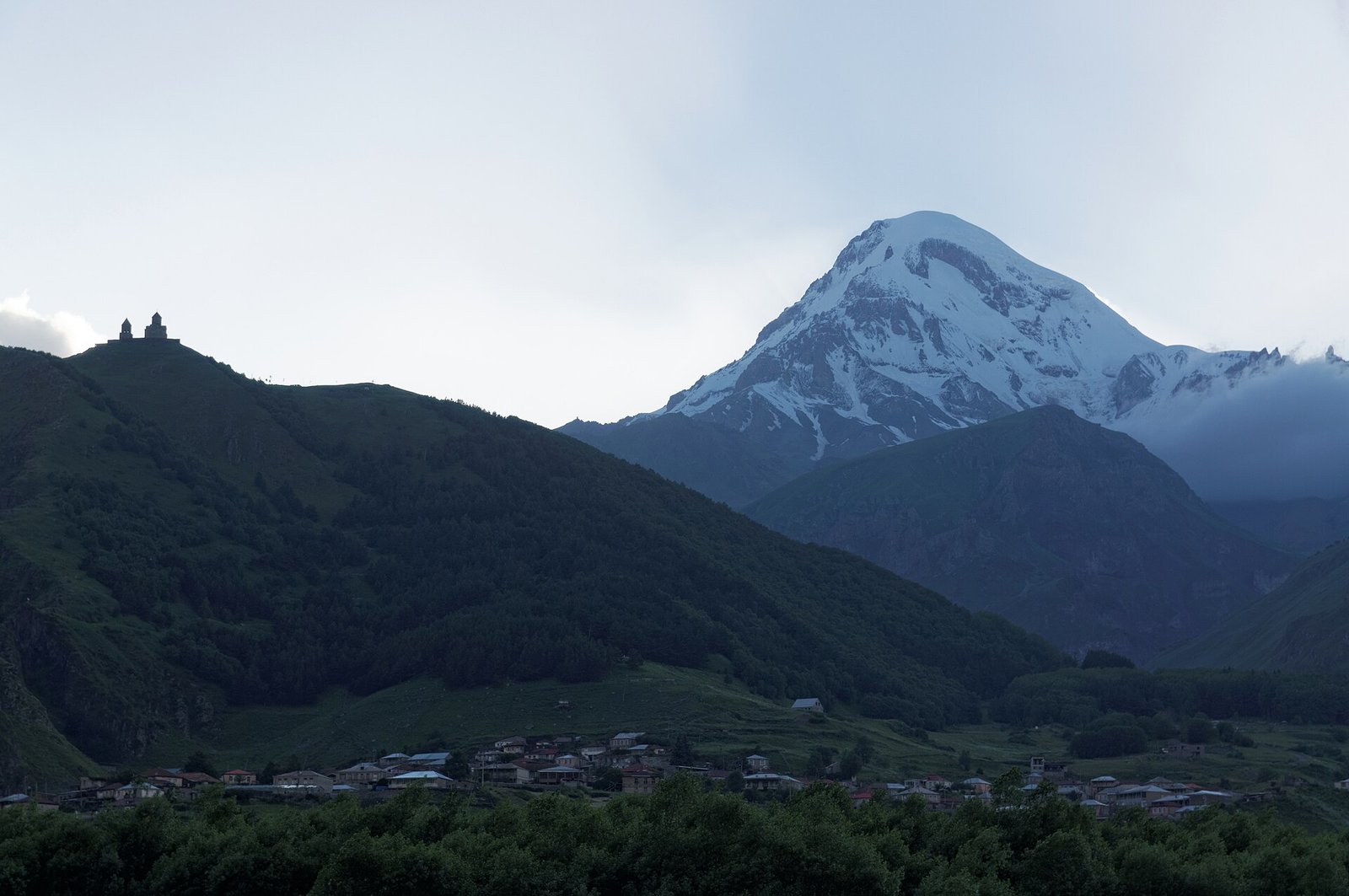
Kazbek (5,054 m) is a dormant volcano in Georgia, just south of the Russian border. Its first recorded ascent was made in 1868 by the British party of Douglas Freshfield, A. W. Moore and C. Tucker, together with local climbers.
Iran: Damavand
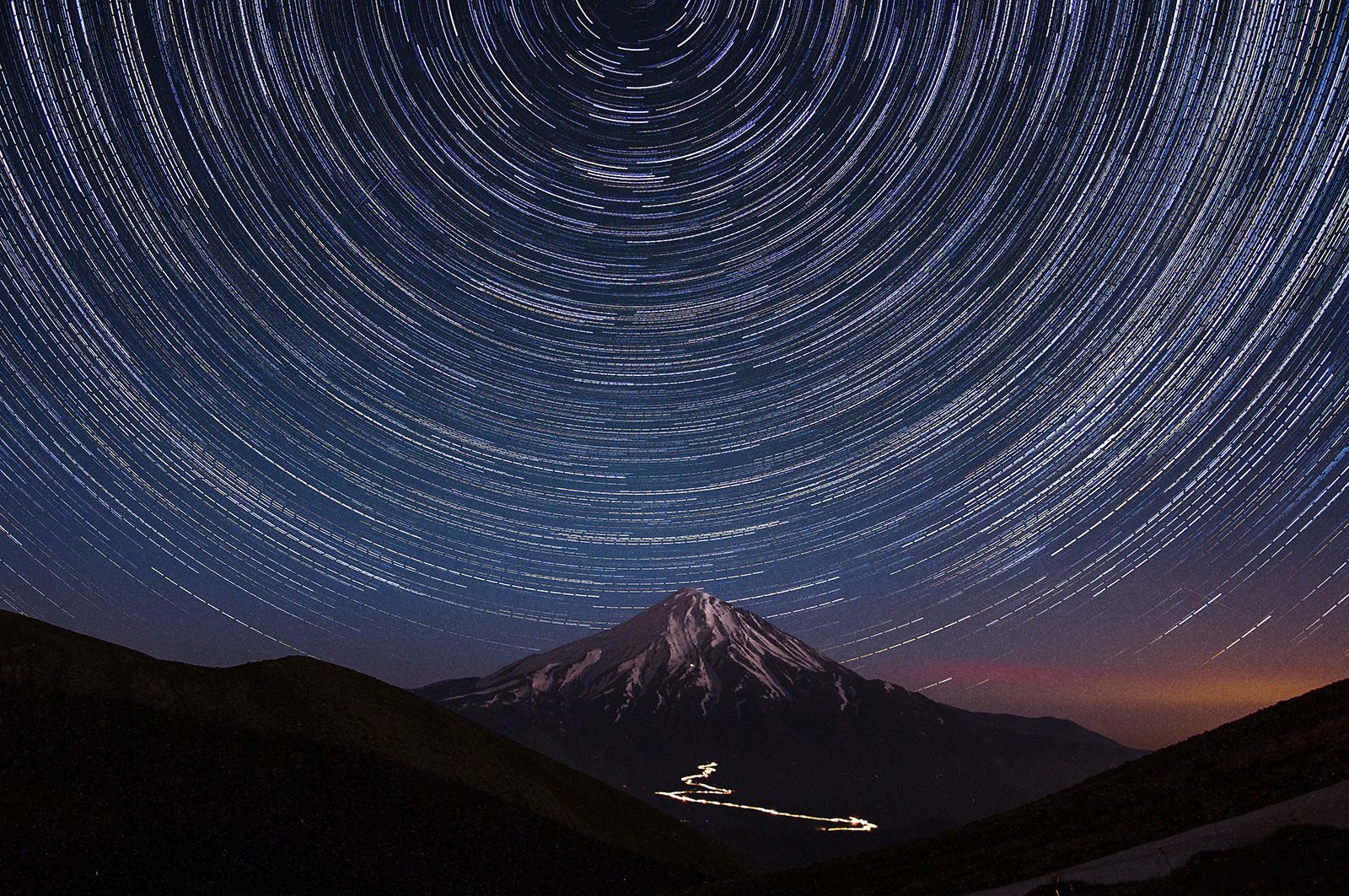
Damavand (about 5,610 m) is the highest mountain in Iran and the highest volcano in Asia. It is a cone rising on its own in the Alborz mountains, about 66 kilometres north-east of Tehran. The first recorded ascent is credited to Abu Dolaf in the year 905. It has a special place in Persian mythology and literature.
| Summit | Height | Country | Note |
|---|---|---|---|
| Elbrus (west) | 5,642 m | Russia | Dormant volcano, two summits |
| Damavand | ~5,610 m | Iran | Asia's highest volcano |
| Ararat (Ağrı Dağı) | 5,137 m | Türkiye | Türkiye's highest summit |
| Kazbek | 5,054 m | Georgia | Dormant volcano |
| Mont Blanc | ~4,807 m | France, Italy | Highest in the Alps |
| Matterhorn | 4,478 m | Switzerland, Italy | The best-known summit in the Alps |
These heights may look modest next to the eight-thousanders, but altitude illness occurs at 5,000 metres too, and glaciers, avalanches and sudden weather changes are real dangers on these mountains as well (Altitude Illness, Mountain Hazards).
Why do heights differ?
Can a mountain’s height change? The rock barely does; but as the snow cap on top, the measuring instrument and the definition of “sea level” change, so does the number in the books.
It is normal to see heights a few metres apart for the same mountain in different books. There are several reasons:
- Measurement method: old surveys were made from a distance, by calculating angles. Today a GPS receiver can be taken to the summit for a much more precise measurement; new surveys can shift old values by a few metres.
- Snow or rock? The layer of snow and ice on a summit changes from year to year. For Everest, China long used the top of the rock and Nepal the top of the snow. On 8 December 2020 the two countries announced a joint result: 8,848.86 m. The ice cap on Mont Blanc also comes out differently at every survey: French surveyors measured the summit at 4,805.59 m in 2023 and 4,807.47 m in September 2026.
- Definition of sea level: “sea level” varies slightly depending on the geoid model each country uses; this too can cause differences of a few metres.
On this site, for summits abroad we use the value given by that country’s official bodies wherever possible.
An 8,000er is the result of years of preparation: altitude experience, technical training and expedition experience are built up step by step. These summits involve supplemental oxygen, fixed ropes and an expedition set-up lasting weeks (High-Altitude Equipment, Expedition Planning and Logistics). At every step, recognising the symptoms of altitude illness and knowing when to descend matter more than the summit (Altitude Illness).
Sources
22
- Official heights of the 8,000ers in Nepal and the new subsidiary summits – The Kathmandu Post: Nepal adds six new 8,000ers, raising its official tally to 14 (2025)
- Everest’s height as announced in 2020 – The Himalayan Times: Everest's revised height stands at 8848.86m (2020)
- Heights of K2, Gasherbrum I–II and Broad Peak – Central Karakoram National Park: Highest Peaks
- The 8,000ers of Gilgit-Baltistan and Nanga Parbat – Dawn: Pakistani peaks set to attract record number of international climbers
- Summits of the Nepal Himalaya – Nepal Tourism Board: Himalayan Peaks of Nepal (PDF)
- The first Turk on Everest – Fatma Emek: 100 Yıllık Süreçte Türkiye'de Dağcılık Sporu, Turkish Historical Society (2025, in Turkish)
- The first Turkish expedition to Gasherbrum II (2005) – Dawn: Turkish team climbs G-II (28 July 2005)
- Tunç Fındık completing the 14 eight-thousanders – TÜBİTAK Bilim Genç: Tunç Fındık becomes the first Turk to climb the world’s 14 highest summits (2023, in Turkish)
- The Seven Summits, the Bass and Messner lists, the Elbrus–Mont Blanc debate, heights of Elbrus, Kilimanjaro and Puncak Jaya – Wikipedia: Seven Summits
- First to complete the Bass list (Dick Bass, 1985) – Guinness World Records: First person to climb the Seven Summits (Kosciuszko list)
- First to complete the Carstensz list (Patrick Morrow, 1986) – Guinness World Records: First person to climb the Seven Summits
- Aconcagua’s 2012 survey (6,960.8 m) – RPP: Nueva altura oficial del cerro Aconcagua es de 6.960,8 metros (2012, in Spanish)
- Denali’s 2015 survey (20,310 ft) – USGS: New Elevation for Nation's Highest Peak (2015)
- Vinson’s 2004 GPS survey (4,892 m) – American Alpine Journal: Vinson, New height (4,892m)
- Mont Blanc’s 2023 and 2026 surveys – Euronews: Mont Blanc: new French measurements, summit 'grows' to 4,807m (2026)
- Origin of the name K2 and Montgomerie’s survey (1856) – Wikipedia: K2
- Chimborazo and distance from the Earth’s centre – NOAA: What is the highest point on Earth as measured from Earth's center?
- The UIAA list of 4000ers (1994, 82 summits), Mont Blanc and the Matterhorn – Wikipedia: List of Alpine four-thousanders
- Karl Blodig – Wikipedia: Karl Blodig
- The summits of Elbrus and their first ascents – Wikipedia: Mount Elbrus
- Kazbek – Wikipedia: Mount Kazbek
- Damavand – Wikipedia: Mount Damavand