
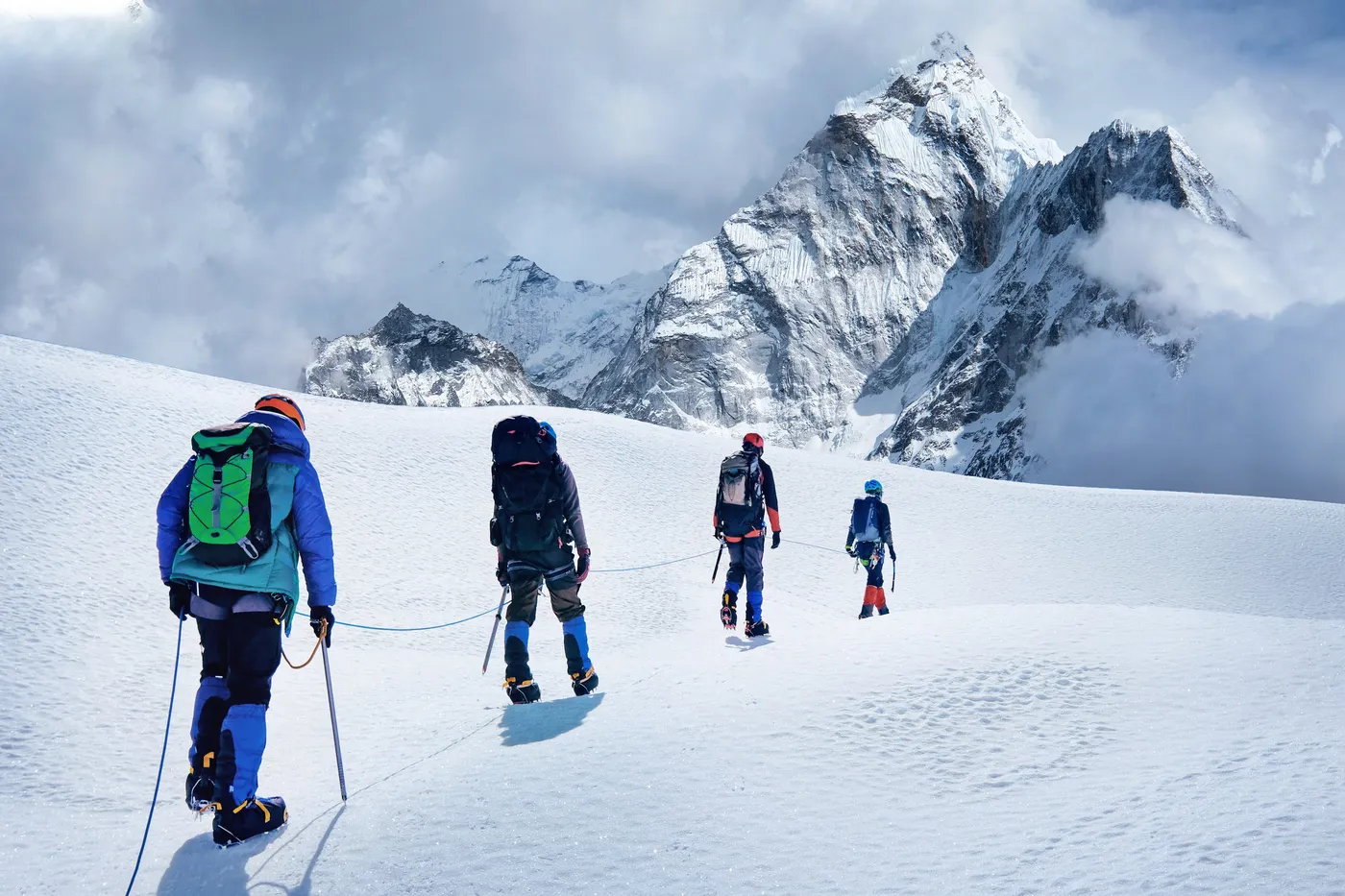
Think of the ridge you walked in a T-shirt in July. In January, the path on that same ridge has vanished under waist-deep snow, the wind can freeze an exposed cheek within minutes, and the sun is getting ready to set before you even reach the summit. The mountain is the same mountain; but in winter it plays by the rules of a completely different game.
A summit you climb in five hours in summer can take twice as long by the same path in winter, and sometimes cannot be climbed at all. Snow, cold and short days change everything about the mountain: the route, the pace, the equipment, even the time of the turn-back decision. This page is the introduction to Winter Mountaineering. It explains one by one what sets a winter mountain apart from a summer one and points to the detailed page for each. At the end is the order in which to read the winter pages.
Daylight on Erciyes on 21 December. On 21 June it is 14 h 52 min: winter’s shortest day is more than five hours shorter.
Source: Sunrise-Sunset.orgHow cold a 30 km/h wind at −20 °C feels on bare skin. At this level skin can freeze in 10–30 minutes.
Source: Government of CanadaAbout half of avalanche deaths in Europe happen at level 3 (“considerable”), the middle of the scale.
Source: EAWSWhat is winter mountaineering?
Is winter mountaineering defined by the calendar or by the snow? Both; but it depends which question you are asking.

Winter mountaineering is climbing mountains in snow-covered, cold conditions. What really decides it is not the calendar but the mountain’s conditions: a summit covered in snow in October is a winter mountain; so is a face whose snow has not melted in May. In these conditions, knowledge of snow, ice, cold and avalanches is added to the knowledge of summer mountaineering.
The title “winter ascent”, however, depends on the calendar. Especially on high mountains, two definitions are used for counting a climb as a “winter ascent”: meteorological winter (1 December to the end of February) and calendar winter (21–22 December to 20–21 March). The Himalayan Database, which keeps Himalayan records, accepts both, but the climbing world still debates which should apply, and in recent years calendar winter has been used more. For winter climbs in Türkiye, see the Winter Climbing in Türkiye page.
Short days, long work
In winter, the scarcest resource on the mountain is not water or food but light. The hands of the clock call you down long before the summit.
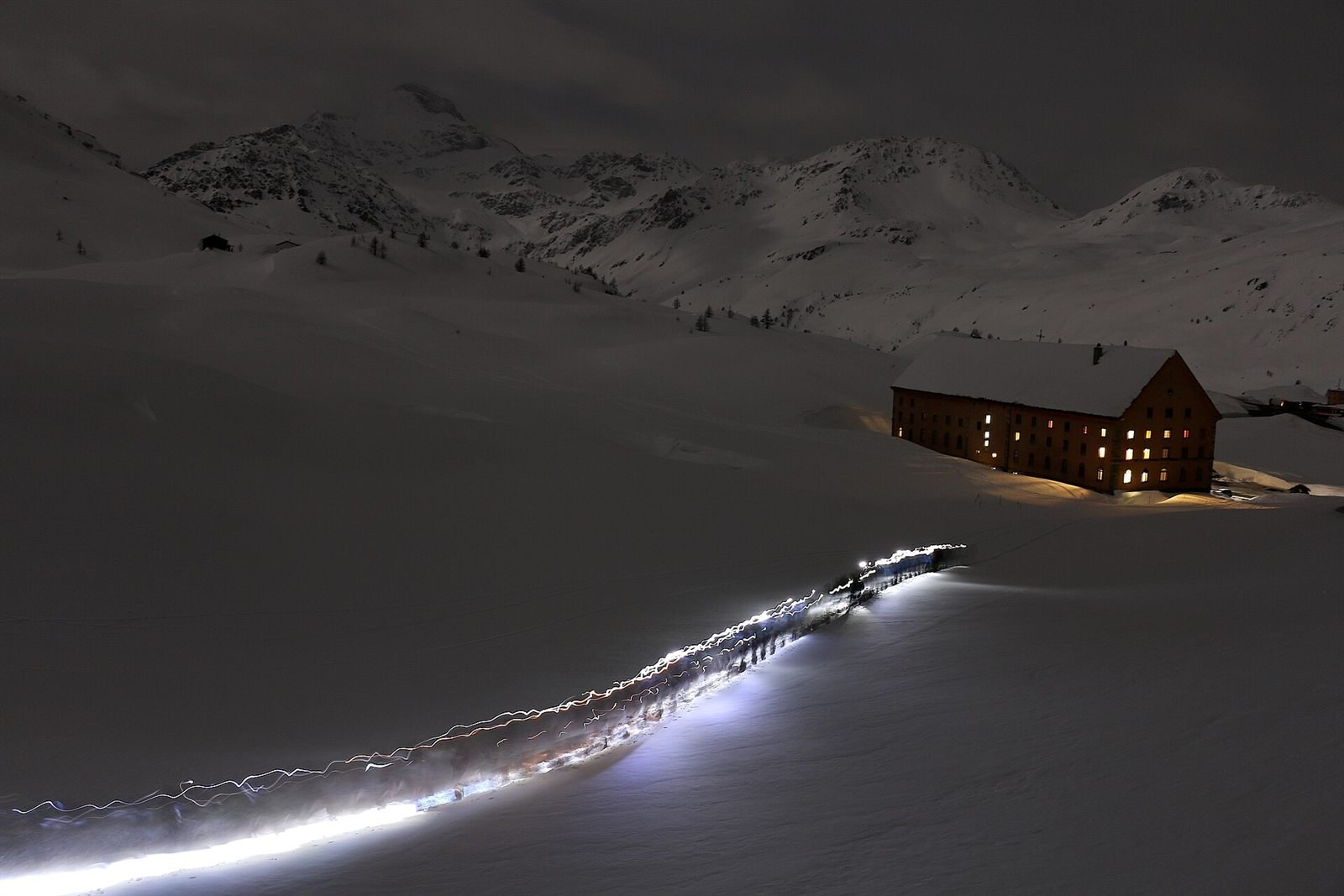
Days are short in winter. On Erciyes on 21 December, the sun rises at 07:52 and sets at 17:20: the day lasts 9 hours 29 minutes. On 21 June it rises at 05:14 and sets at 20:06: 14 hours 52 minutes. So winter’s shortest day has more than five hours less daylight than summer’s longest. On top of that, breaking trail in deep snow, putting crampons on and off and doing everything in gloves in the cold slow the pace. The result: the work gets longer while the day gets shorter.
- Early start: summit day often starts after midnight, by headtorch.
- Turnaround time: the time to turn back even without reaching the summit is set before setting off and kept to. Being caught by darkness is much more dangerous in winter than in summer (Time plan and turnaround time).
- Light: cold shortens battery life. Keep the headtorch’s spare batteries in an inner layer, warm from your body heat.
- Long nights: if you are camping, more than half the day is spent in the tent, in the dark (Winter Camping and Snow Shelters).
Cold and wind
The thermometer reads −20 °C; when the wind gets up, your cheek cools as if it were −33 °C. The difference comes down to one word: wind.
The cold you feel on the mountain is not set by the thermometer alone; wind draws heat from bare skin much faster. This is called wind chill. According to the Government of Canada’s calculation, a 30 km/h wind at −20 °C makes bare skin cool as if it were at −33 °C. At this level, exposed skin can freeze in 10–30 minutes. When the wind exceeds 50 km/h, this time gets even shorter.
| Wind chill | Risk | Time for bare skin to freeze |
|---|---|---|
| 0 to −9 | Low | — |
| −10 to −27 | Moderate | — |
| −28 to −39 | High | 10–30 minutes |
| −40 to −47 | Very high | 5–10 minutes |
| −48 to −54 | Severe | 2–5 minutes |
| −55 and below | Extreme | Less than 2 minutes |
Cold tires the body too. The energy spent keeping warm rises, hands and feet go numb, and fine tasks become hard. Clothing wet with snow or sweat loses its insulation. So in winter the aim is not to warm up but never to get cold and never to sweat: you adjust the pace and change layers often. Symptoms and prevention are on Surviving the Cold; reading a mountain forecast is on How to Read Mountain Weather.
Snow and terrain
Snow lays a smooth, pure-white cover over the face of the mountain. It is beautiful; but under that cover hide the path, the stones and the crevasses.
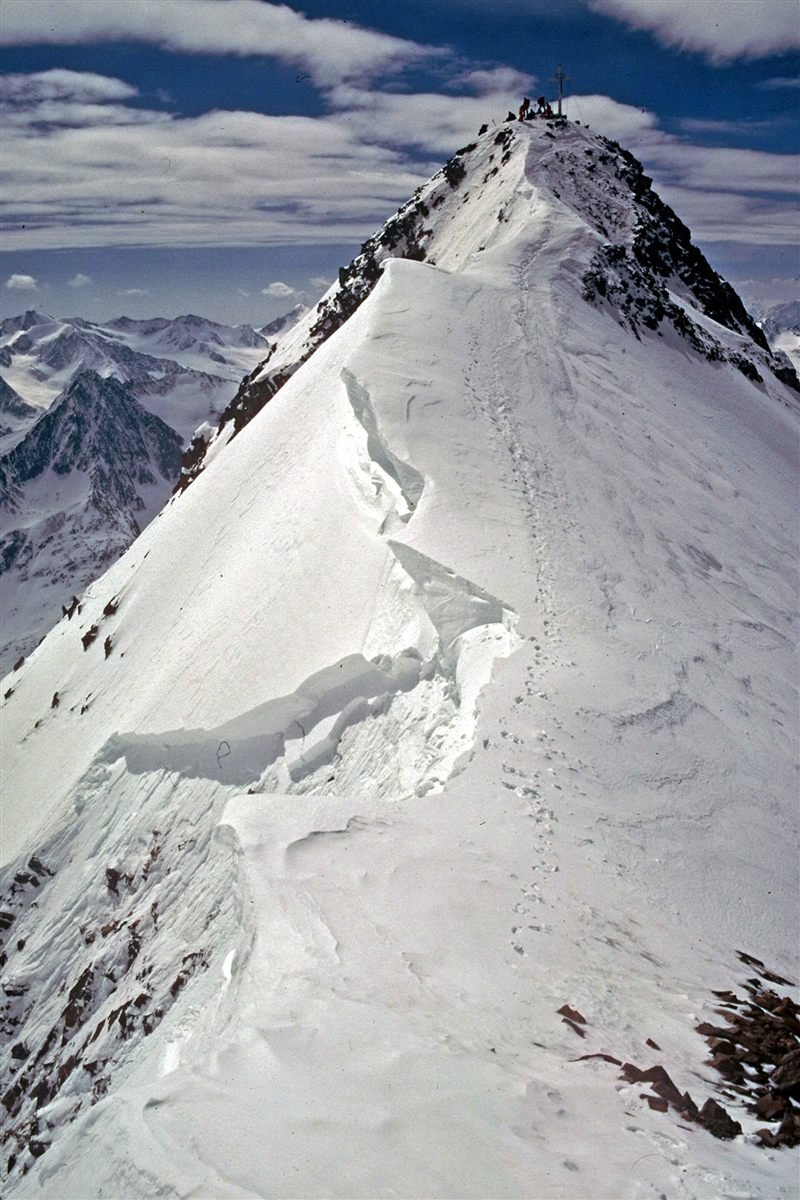
Snow covers the face of the mountain. The path that is clear in summer disappears, and cairns and rock steps are buried under snow. The terrain often looks smoother; but this appearance is deceptive.
- Deep snow: progress in knee- or waist-deep snow is very slow. The person breaking trail changes often. Snowshoes or touring skis reduce this load (Winter Equipment).
- Hard snow and ice: on slopes hardened by the wind or snow frozen overnight there is a risk of slipping. A slope you walk in summer needs crampons, an ice axe and technical knowledge in winter (Snow and Ice Techniques).
- Snow changing during the day: snow that is hard in the morning softens in the afternoon sun; it balls up under crampons, you sink in with every step, and avalanche danger can rise. Plan accordingly.
- Cornices: masses of snow piled by the wind on the lee edge of a ridge, overhanging the drop. What looks like the edge of the ridge may be above thin air. A breaking cornice both drops whoever is on it and can trigger an avalanche on the slope below.
- Glaciers: snow hides the crevasses on a glacier. On a glacier you walk roped (Glacier Travel and Crevasse Rescue).
- Frozen streams and lakes: the ice of a stream or lake under the snow may not hold a person. Do not cross, or cross with great care, knowing where to cross.
Visibility and navigation
You are standing in a pure-white world inside the mist: up, down and the horizon have all vanished. This is the moment winter climbers call a “whiteout”.

When snow and mist come together, every direction turns white; the horizon, slope and depth vanish. This is called a whiteout. In these conditions you can tumble where you thought it was flat and you cannot see the edge of a cornice. A blizzard both blocks visibility and wipes out tracks within minutes.
- Plot the route in advance: in winter, plot the route on GPS and the map beforehand, and decide the line to follow for the return.
- Knowing the compass is essential: phones can switch off in the cold. Navigating with map and compass is an indispensable winter skill (Map, Compass and Navigation).
- If visibility closes in: the team does not lose sight of each other; use a rope if needed. Waiting for visibility to clear, or going back along a known line, is safer than walking into unknown terrain.
Avalanches: winter’s biggest difference
A question that never crosses your mind walking in the mountains in summer is asked on every slope in winter: will this snow stay here?
A danger absent in summer can be present on every steep slope in winter: avalanches. Most avalanches release on slopes of 30–45 degrees; once released, they run out onto much flatter ground. So walking below a slope, on the valley floor, also means being in avalanche terrain.
According to data from the European avalanche warning services (EAWS), about half of deaths happen at level 3 (“considerable”), the middle of the five-level scale. This level applies for about a third of the winter: the mountain is not safe just because the danger is not “very high”. In avalanche terrain, everyone carries a transceiver, probe and shovel and knows how to use them. Details are on the Avalanches and Snow and Avalanche Rescue pages.
Approach and rescue
The high-pasture road you drive up in summer can become a day’s walk in winter. Help arrives along the same road, just as slowly.
- Roads close: villages and high pastures you reach by car in summer may be unreachable in winter; the approach grows by hours, sometimes a day. Huts and summer settlements are often empty in winter.
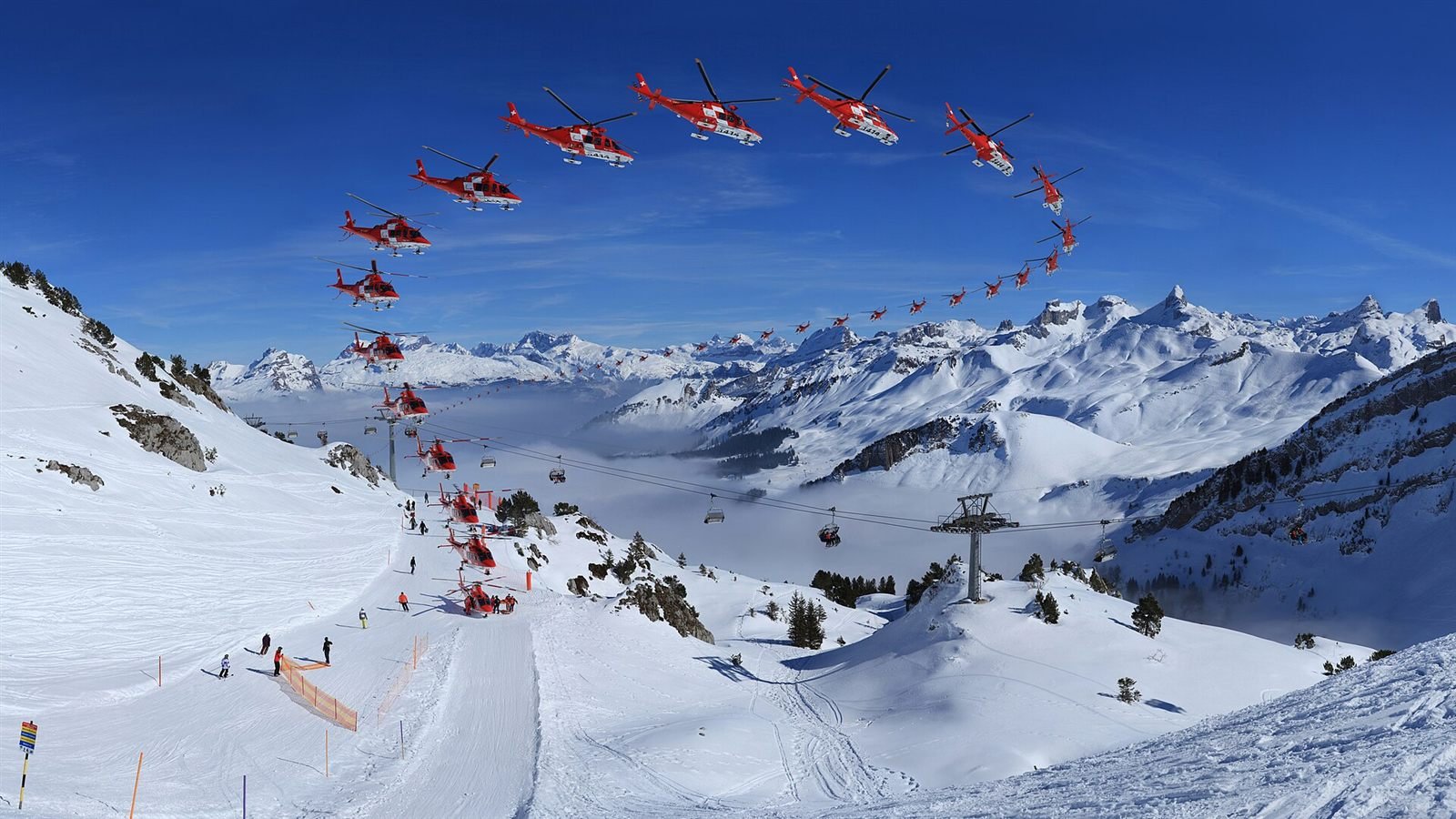
- Rescue is harder: short days, bad weather and darkness slow both ground and air rescue; helicopters cannot fly in every weather. In winter, help can take hours to arrive in the mountains. So the team must be prepared to be self-sufficient: first-response knowledge, emergency kit, and gear to survive an unplanned night (Emergencies and Rescue).
- Notification: leave the route, return time and team details with someone not going into the mountains; notify local authorities where required (Permits and Rules). In an emergency in Türkiye, call 112.
The load on the body
Thick clothes, heavy boots, crampons and deep snow: in winter, every step on the mountain costs more than in summer.
- More energy: thick clothing, heavy boots and crampons, deep snow and producing heat in the cold make the same route far more tiring than in summer. Plan more food and hot drinks.
- Thirst goes unnoticed: in the cold, the sense of thirst weakens, but fluid loss through breath and sweat continues. Water freezes; carry a flask and an insulated bottle.
- Sun: snow reflects sunlight; sunburn and snow blindness happen in winter too (Health in the Mountains).
- Fitness: winter mountaineering needs better endurance than summer mountaineering (Mountaineering Training).
Decisions and planning in winter
In winter on the mountain, even a lost glove can change how the story goes. That is why a winter plan starts with the question “what if?”
In winter, the margin for error is small. A lost glove, a wet sock or an hour’s delay, small problems in summer, can turn into a serious situation in winter. So the winter plan is more detailed than the summer one:
- Weather and avalanches: follow snowfall, wind and temperature in the days before setting off, and read the avalanche warnings (Avalanche warnings in Türkiye).
- Route: the summer route is not always the safest way in winter. Decide in advance on alternatives that keep away from avalanche slopes and corniced ridges, on decision points and on retreat routes.
- Team: nobody goes into the mountains alone in winter. Everyone in the team must know how to use winter equipment and the avalanche kit; plan around the weakest link in the team (Planning a Climb and Building a Team).
- Time margin: in winter everything takes longer. Build plenty of margin into the time plan and keep to the turnaround time.
- Giving up: if the weather is turning, there are signs of avalanche danger or someone in the team is getting cold, turning back is the most important skill in winter mountaineering. The summit can wait for next time.
Where to start? Reading order for the winter pages
Winter mountaineering is not learned from one page; but nine pages read in the right order make a good start.
The best way into winter mountaineering is to take a basic winter course through a club after the basic summer course (Clubs, Courses and Training Levels). The winter pages on this site can be read from simple to hard in this order:
- How Winter Mountains Differ: this page; what changes in winter.
- Winter Equipment: boots, crampons, ice axe, winter clothing, avalanche kit.
- Surviving the Cold: hypothermia, frostbite and prevention.
- Snow and Ice Techniques: walking in crampons, the ice axe, self-arrest, snow anchors.
- Avalanches and Snow: the snowpack, the danger scale, avalanche terrain, decision-making.
- Avalanche Rescue: transceiver search, probing, digging.
- Winter Camping and Snow Shelters: camping on snow, snow shelters, emergency bivouacs.
- Glacier Travel and Crevasse Rescue: rope teams and crevasses.
- Winter Climbing in Türkiye: mountains climbed in winter and lessons from the past.
Sources
9
- Sunrise and sunset (Erciyes) – Sunrise-Sunset.org
- Wind chill and freezing times – Government of Canada: Wind Chill and the Wind Chill Index
- Definition of a winter ascent, date of K2’s winter summit – ExplorersWeb: Meteorological vs Astronomical Winter in Climbing
- Avalanche danger scale and level 3 statistics – EAWS: European Avalanche Danger Scale
- Avalanche slope angle – Avalanche.org: Slope Angle
- The first winter ascent of an 8,000er (Everest, 1980) – Wikipedia: Krzysztof Wielicki
- K2’s first winter ascent (2021), the last 8,000er in winter – Wikipedia: K2
- History of wind chill (Siple and Passel, 2001 update) – Wikipedia: Wind chill
- Team and equipment in avalanche terrain – Avalanche Canada: Gear